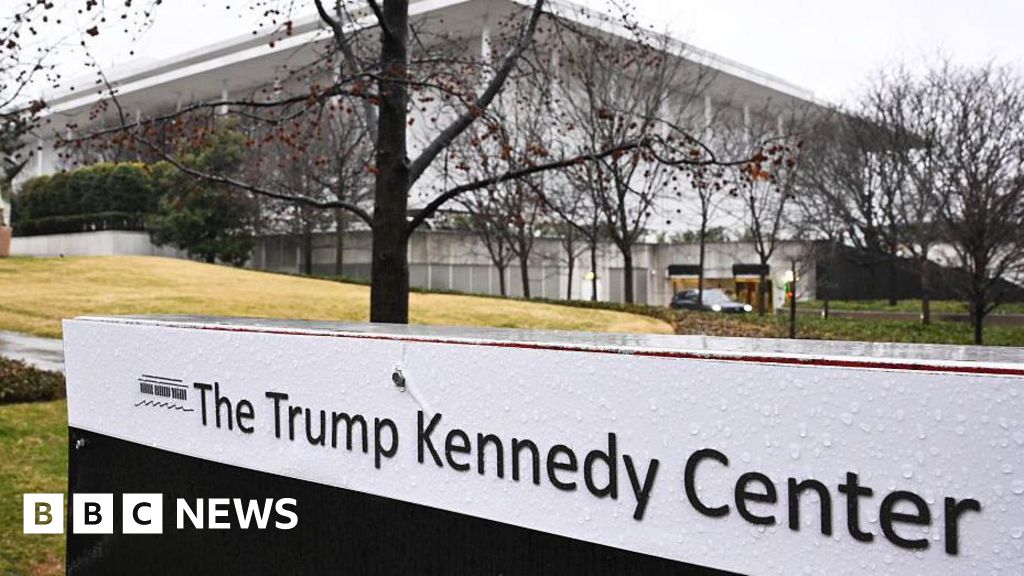
Ric Grenell is stepping down as head of the Kennedy Center and will be replaced by facilities VP Matt Floca pending board confirmation; the center is preparing to shut for a two-year renovation starting July. The venue has secured more than $250m for the rebuild amid a year of turmoil including artist exoduses, plummeting ticket sales and a controversial board purge and renaming by President Trump. The governance and naming changes have prompted legal and congressional questions and create political and reputational risks for the institution and its public funding oversight.
A high-profile, politically driven intervention in a single cultural institution reallocates value toward hard‑asset, federally‑aligned contractors and away from soft‑goods operators (artists, promoters, local donors). Contractors with GSA/federal program track records and specialty acoustic/heritage restoration capabilities will see faster bid conversion and lower competitive pressure versus pure commercial constructors, creating a narrow but durable procurement window over 12–36 months.
Second‑order demand shifts will pressure the touring ecosystem: cancellations or venue unavailability concentrate supply into alternative mid‑market venues and regional performing arts centers, lifting utilization and pricing there while compressing revenue for organizations tied to the affected venue. Ticketing platforms and promoters that can rapidly re‑route productions will capture share, but reputational spillovers may raise artist negotiation costs across the touring circuit for the next 1–2 seasons.
Key risks and catalysts are legal and political rather than operational — court challenges, congressional scrutiny, or changes to appropriations can pause procurement and turn a fast revenue stream into a multi‑quarter drag; conversely, a confirmed board decision or formal RFP release is a discrete positive catalyst. Cost inflation in specialist materials (acoustics, custom millwork) and labor will be the primary margin headwind for contractors and suppliers if project timing extends beyond 12 months.
The consensus frames this as a cultural headline; an underappreciated angle is the fiscal reallocation benefit to the construction supply chain that can be captured with modest signals (board confirmations, RFQ issuance). Positioning should therefore separate exposure to physical renovation winners from exposure to entertainment demand, using pairs and option structures to isolate political/timeline risk.
AI-powered research, real-time alerts, and portfolio analytics for institutional investors.
Request DemoOverall Sentiment
mildly negative
Sentiment Score
-0.30
