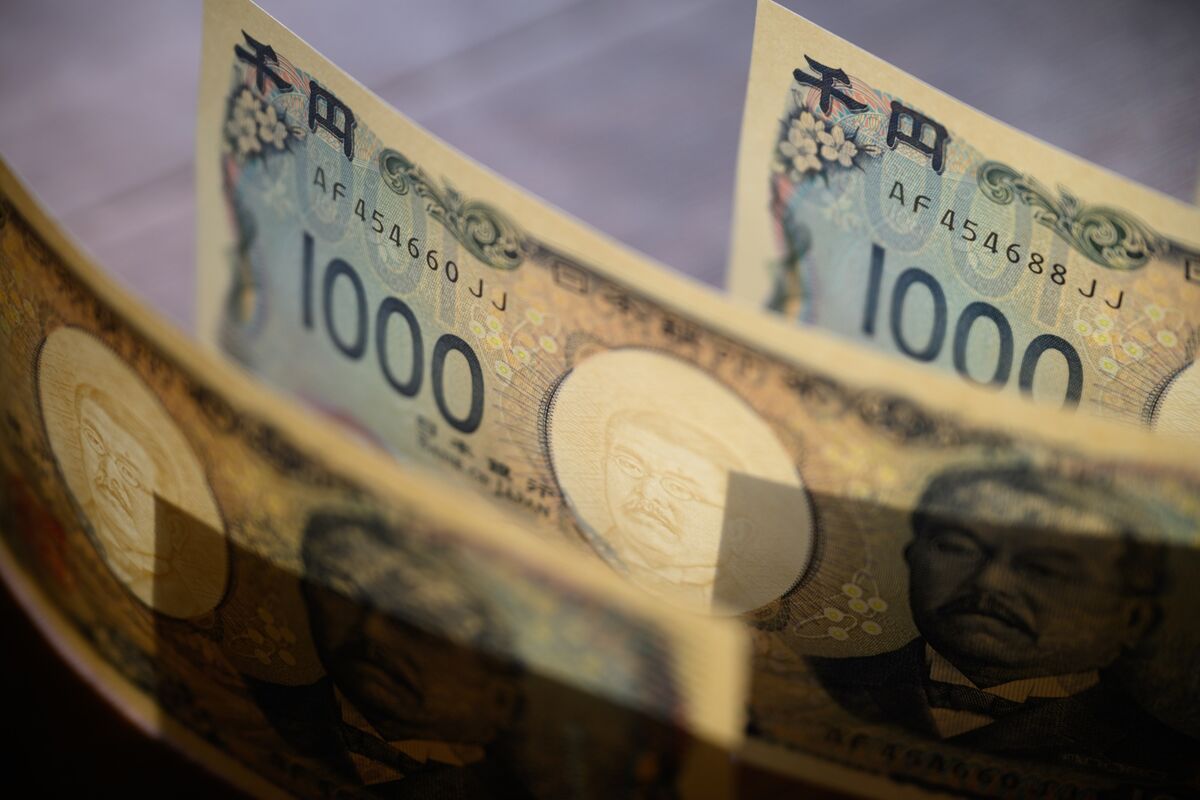
The yen weakened to 150 per dollar for the first time since April after Bank of Japan Governor Kazuo Ueda's comments were interpreted as less hawkish than expected, signaling continued accommodative policy. Speaking after the BOJ left interest rates unchanged, Ueda downplayed an upward revision to the consumer inflation forecast, attributing it largely to food price gains, and stated the yen's current level was consistent with the BOJ's view, reinforcing market expectations against imminent policy tightening.
The Japanese yen has depreciated to the 150 per U.S. dollar level, a significant milestone last seen in April, following dovish remarks from Bank of Japan Governor Kazuo Ueda. This currency weakness was precipitated by the market's interpretation of the BOJ's stance as less hawkish than anticipated after it held interest rates steady. Governor Ueda explicitly downplayed the upward revision to this fiscal year's consumer inflation forecast, attributing it primarily to food price gains, thereby signaling that the central bank does not view the underlying inflation pressure as broad or persistent enough to warrant a policy change. Furthermore, his comment that the yen's current level is not deviating from the BOJ's view effectively communicates a tolerance for further depreciation and dampens any speculation of imminent policy tightening, reinforcing the monetary policy divergence that continues to weigh on the yen.
AI-powered research, real-time alerts, and portfolio analytics for institutional investors.
Request DemoOverall Sentiment
strongly negative
Sentiment Score
-0.65
Ticker Sentiment
