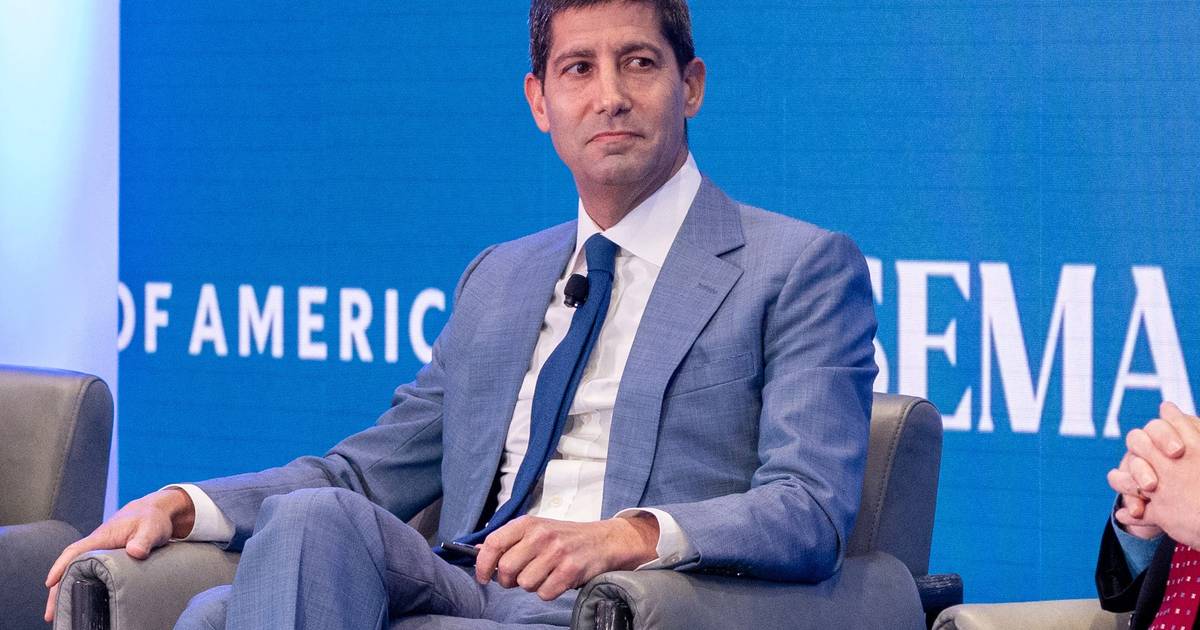
President Trump’s nomination of Kevin Warsh as Fed chair presents a conditional upside for corporate finance: if Warsh can balance political pressure to cut rates with Fed independence, lower benchmark rates could ease refinancing costs for corporates and be net positive for CFOs. Markets will watch whether inflation and employment data justify rate cuts and whether the Fed-Treasury dynamic pushes policy 'too far'; Warsh will need consensus on the FOMC and clear, data-driven rationale to avoid market disruption.
Market structure: A Warsh-led Fed that leans toward earlier rate cuts (or a perceived tilt) is a net positive for corporate borrowers, IG credit (LQD), REITs (VNQ) and rate-sensitive large caps because refinancing costs fall and buyback/leverage activity accelerates; conversely regional banks (KRE) and short-term cash instruments lose if the curve flattens and NIMs compress. Expect higher corporate issuance supply over 3–12 months which should tighten credit spreads by ~20–60bp versus Treasuries if growth doesn’t falter; FX should weaken the USD by 1–3% on persistent cut expectations, supporting commodities and gold. Risk assessment: Key tail risks are political encroachment on Fed independence causing an inflation scare or term‑premium spike, and a confidence shock if Warsh appears beholden to the White House — both would blow out long yields and equity multiples within weeks. Timeline: immediate (days) = front‑end yield repricing and vol spikes around nomination/confirmation; short (1–3 months) = issuance surge and sector rotation; long (3–18 months) = structural term premium and bank profitability effects. Hidden dependencies include Treasury issuance cadence, bank balance‑sheet health, and global capital flows; catalysts are CPI/PCE prints, payrolls, Fed minutes, and the Senate confirmation vote. Trade implications: Favor credit risk over pure duration: overweight IG credit and floating‑rate loans (2–3% portfolio tilt) and underweight regional banks and long-duration Treasuries; implement pair trades (long LQD, short TLT) to express this view while keeping net duration neutral. Use options: buy 3‑month put spreads on KRE to limit downside exposure and buy call spreads on GLD as a hedge if real 10y yield trends below 0%. Enter positions within 2–6 weeks of confirmation and reassess after two material data prints (two consecutive CPI or core PCE prints moving >0.3% in either direction). Contrarian angles: The market consensus underestimates the risk that aggressive short‑rate easing could raise long yields (bear‑steepener) if credibility falters — that makes long-duration Treasuries an asymmetric tail risk. Historical parallel: 2003–04 easing cycles saw credit rally but also periodic rate repricings; don’t assume cuts = uninterrupted spread compression. A wrong-headed “Treasury+Fed” push to force low rates could spark a volatility regime change — size positions conservatively and use protective options.
AI-powered research, real-time alerts, and portfolio analytics for institutional investors.
Request DemoOverall Sentiment
mildly positive
Sentiment Score
0.22
Ticker Sentiment
