
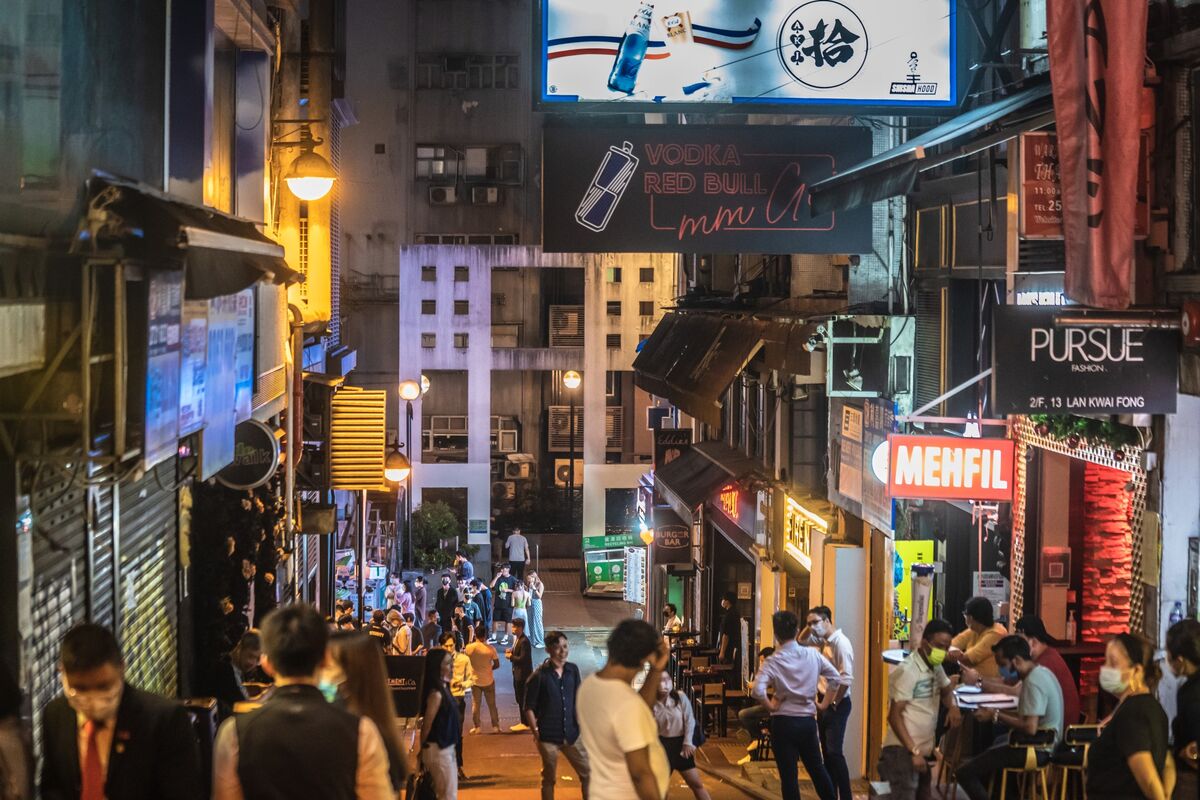
The article is primarily a Hong Kong nightlife lifestyle feature, highlighting a shift away from traditional party hotspots and referencing a startup that navigates nightlife. It also mentions contextual coverage of the Shein IPO and a restaurant review, but provides no specific financial figures, policy changes, or market-moving developments.
The important mechanism is not nightlife demand disappearing; it is spend fragmenting away from a single, rent-heavy cluster into a wider set of micro-districts. That usually shifts bargaining power from landlords and legacy venues toward operators with lower fixed costs, better digital discovery, and more flexible format economics. If the traffic is now being “found” rather than inherited, the long-term winners are booking/search layers and venue operators that can monetize intent, not the old destination strip.
Second-order, this is negative for any property owner or hospitality concept relying on centralized footfall density to justify premium rents and high turnover. Fragmentation tends to reduce the ability to raise cover charges and menu prices, while increasing promo spend and CAC as bars/restaurants compete across more nodes. Over 1-3 months the market reaction is likely muted; over 6-18 months this can compress margins for legacy nightlife assets and broaden the moat for discovery platforms if they own the customer relationship.
Contrarianly, the move may be over-read as a structural decline in Hong Kong consumption when it may simply be a spatial reallocation of leisure spend. The key falsifier is a broad-based drop in late-night transaction volumes, not just a shift in district mix. If tourism, weekend spend, or premium beverage sales reaccelerate, the narrative of a secular LKF fade unwinds quickly; if not, this is a slow-burn competitive reset rather than a one-off sentiment story.
AI-powered research, real-time alerts, and portfolio analytics for institutional investors.
Request TrialOverall Sentiment
neutral
Sentiment Score
0.00
Ticker Sentiment
