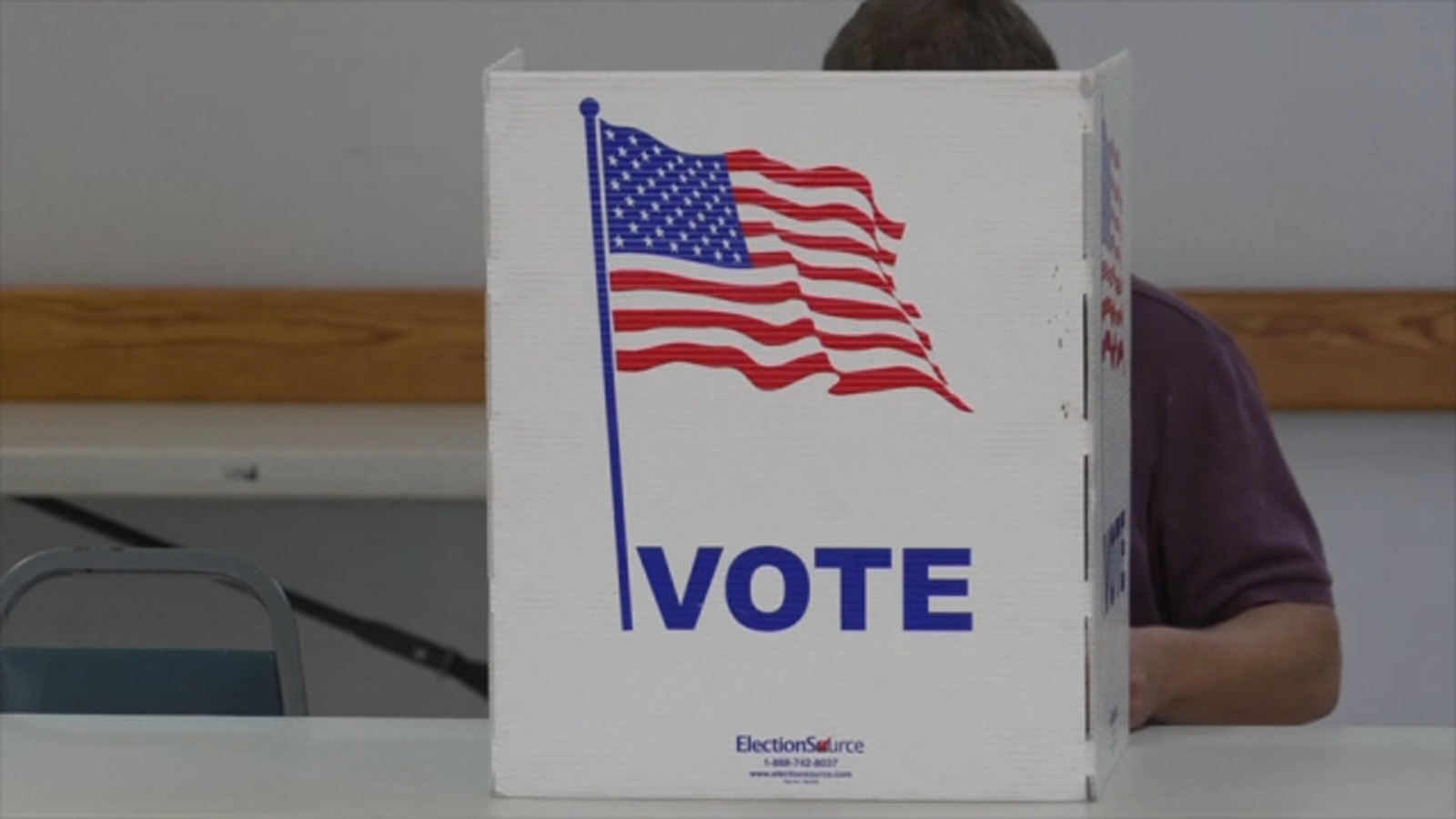
The Supreme Court's Louisiana redistricting ruling could trigger new legal challenges to congressional, state, city council, and school board maps across the country, including California's Prop. 50 districts. Commentators said the decision may weaken Voting Rights Act protections for Black voters and create a more favorable redistricting environment for Republicans in the near term, while also inviting retaliatory map-drawing by Democrats ahead of 2028. The ruling is politically significant and could reshape control of Congress, but its immediate market impact is indirect.
The immediate market implication is not a direct earnings shock but a medium-horizon increase in political volatility premium. A more permissive redistricting regime raises the expected seat-velocity of control in the House, which matters most for firms exposed to federal appropriations, antitrust posture, and regulatory staffing over the next 12-24 months rather than this quarter. The first-order beneficiary is any asset priced on a stable 2026-2028 policy glidepath; the first-order loser is that stability itself.
Second-order effects are more interesting: if state-level map fights intensify, litigation demand rises across election law, civil rights, and administrative law, but the bigger alpha is in municipalities and school districts that may have to revisit existing maps, budgets, and vendor relationships. That creates a slow-burn legal spend tailwind for elite litigation platforms and an offsetting overhang for public-sector issuers facing higher legal and compliance costs. The risk is asymmetry: outcomes are binary, timelines are long, and headlines can reset sentiment in days while actual legal changes compound over quarters.
Consensus likely underestimates how this changes fundraising and turnout narratives into the next federal cycle. Republicans may get a short-run map advantage, but the more durable trade is elevated donor mobilization and higher participation from minority and urban blocs, which can feed volatility in swing-state polling and keep defense contractors, healthcare, and infrastructure names exposed to appropriations uncertainty. The contrarian view is that the market may be too focused on partisan seat math and not enough on institutional friction: frequent map redraws can depress local governance quality and delay capital allocation in affected states, which is a quiet negative for utilities, REITs, and municipal-credit-sensitive sectors with concentrated exposure.
AI-powered research, real-time alerts, and portfolio analytics for institutional investors.
Request DemoOverall Sentiment
neutral
Sentiment Score
-0.05
