
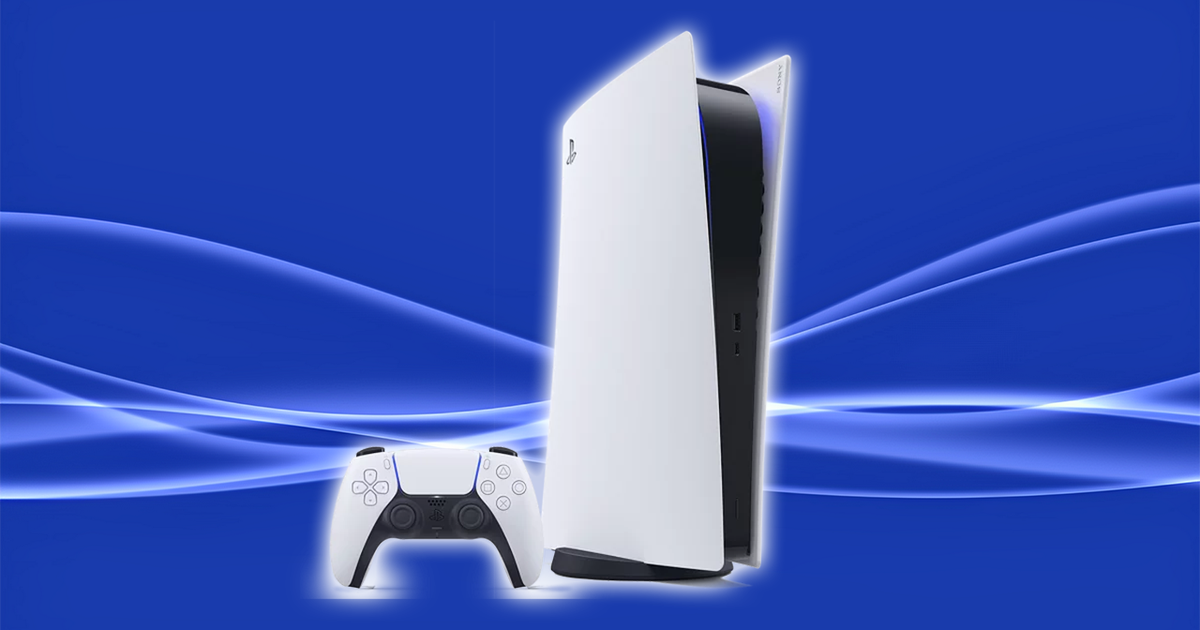
US PlayStation 5 sales spiked sharply in the week ending April 4 after Sony announced price hikes, with Circana saying weekly hardware spending nearly doubled year over year and PS5 sales for that week already exceeding all other weeks in 2026 so far. Sony raised US prices to $649.99 for the base PS5 and $899.99 for the PS5 Pro, citing continued global economic pressures. The article also highlights broader supply-chain stress from AI-driven component shortages and potential spillovers from rising oil-market disruptions.
The key signal is not console demand itself, but consumers and retailers front-loading purchases ahead of a higher price regime. That creates a near-term revenue bump with poor durability: once the pre-buy wave clears, the next few quarters can look deceptively soft as channel inventory normalizes and replacement demand is pulled forward. For SONY, that means headline hardware strength may mask a weaker second-half mix if software and services fail to accelerate in tandem.
The bigger second-order trade is on margin compression across the broader component stack. AI-linked memory and board-level shortages are forcing OEMs to choose between protecting unit volume and protecting gross margin, and the current response is price. That is usually late-cycle behavior: it preserves reported revenue in the short run but risks demand destruction over 3-9 months, especially for discretionary consumer electronics with no urgent replacement trigger.
Competitive dynamics favor firms with software attach, recurring monetization, or lower exposure to spot component costs. Pure hardware stories are vulnerable if price hikes outpace wage growth or if consumers substitute toward used/refurbished units and digital libraries instead of new devices. The market may be underestimating how quickly a temporary AI-supply shock can turn into a broader consumer tech demand freeze once spending fatigue sets in.
The contrarian angle is that the console ecosystem may be more resilient than the stock implies if the price move is a one-time reset rather than the start of a multi-step ladder. If Sony can hold engagement and first-party content cadence, hardware elasticity may be less negative than feared, but the burden is on management to prove software monetization offsets the unit headwind. Until then, the risk/reward still skews toward fade rallies rather than buy-the-dip.
AI-powered research, real-time alerts, and portfolio analytics for institutional investors.
Request TrialOverall Sentiment
mildly negative
Sentiment Score
-0.15
Ticker Sentiment
