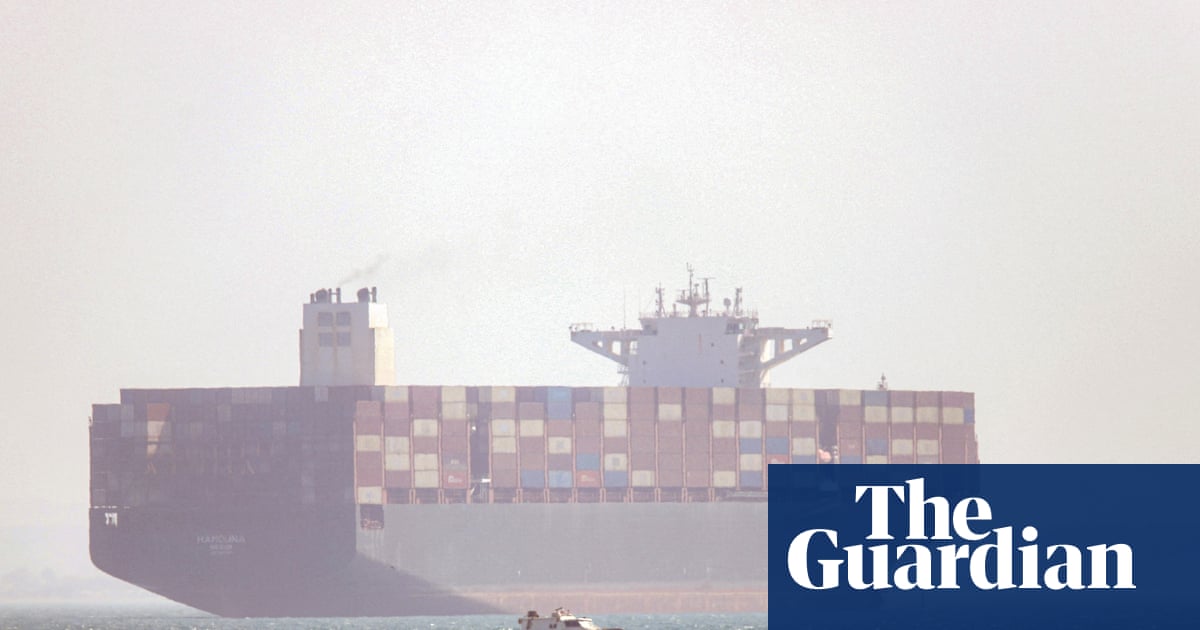
Trump paused 'Project Freedom' to reopen the Strait of Hormuz while keeping the blockade of Iranian ports in place, signaling a temporary de-escalation but no resolution to the conflict. The strait remains largely closed, with only 2 merchant ships reported through the US-guarded route and hundreds still bottled up, keeping oil, gas, fertilizer, and shipping markets under severe stress. Fuel prices have already surged, Hapag-Lloyd says transits remain impossible for now, and more than 100 US aircraft are patrolling the area amid ongoing drone and missile attacks.
The key market signal is not the pause itself but the asymmetry it creates: shipping risk is now being managed tactically, while the sanctions/blockade lever remains in place. That means the first-order spike in freight and insurance may soften at the margin, but the strategic supply squeeze on Iranian export capacity persists, keeping a floor under crude, refined products, and LNG-linked volatility. In practice, this is a regime where headline-driven pullbacks in energy are likely to be sold unless there is verifiable reopening of the corridor or a formal unwind of enforcement.
The second-order winner is not just oil producers but any asset whose economics improve when global inventories have to be rebuilt under uncertainty: tanker rates, marine insurance, and non-Red Sea alternative routes. Conversely, global manufacturers and Asia-heavy importers face a lagged hit through higher working capital, longer voyage times, and more volatile bunker costs; that pressure tends to surface over 2-6 weeks via margin guidance, not immediately in the spot market. The largest near-term loser is likely Europe/Asia chemical and industrial users that are already running thin inventories and cannot pass through feedstock shocks quickly.
The geopolitical catalyst path is binary and fast. If Iran refrains from further escalation for 48-72 hours, the market may price a partial de-escalation, but any renewed harassment of commercial traffic would force a second leg higher in front-month energy and defensive shipping equities. The larger tail risk is that this becomes a “managed conflict” rather than a settlement, which keeps volatility elevated for months and complicates carrier capacity planning into the next quarter.
The consensus is likely underestimating how sticky the closure premium becomes once insurers and operators de-risk a route; even a temporary pause in military activity does not restore confidence quickly. That favors staying long volatility and owning assets with direct exposure to disrupted flows rather than trying to fade a headline-driven retracement. The market may also be underpricing the fiscal pressure on Iran: prolonged port restrictions materially tighten FX, fuel, and subsidy balances, raising the odds of a forced concession later rather than sooner.
AI-powered research, real-time alerts, and portfolio analytics for institutional investors.
Request DemoOverall Sentiment
strongly negative
Sentiment Score
-0.65
