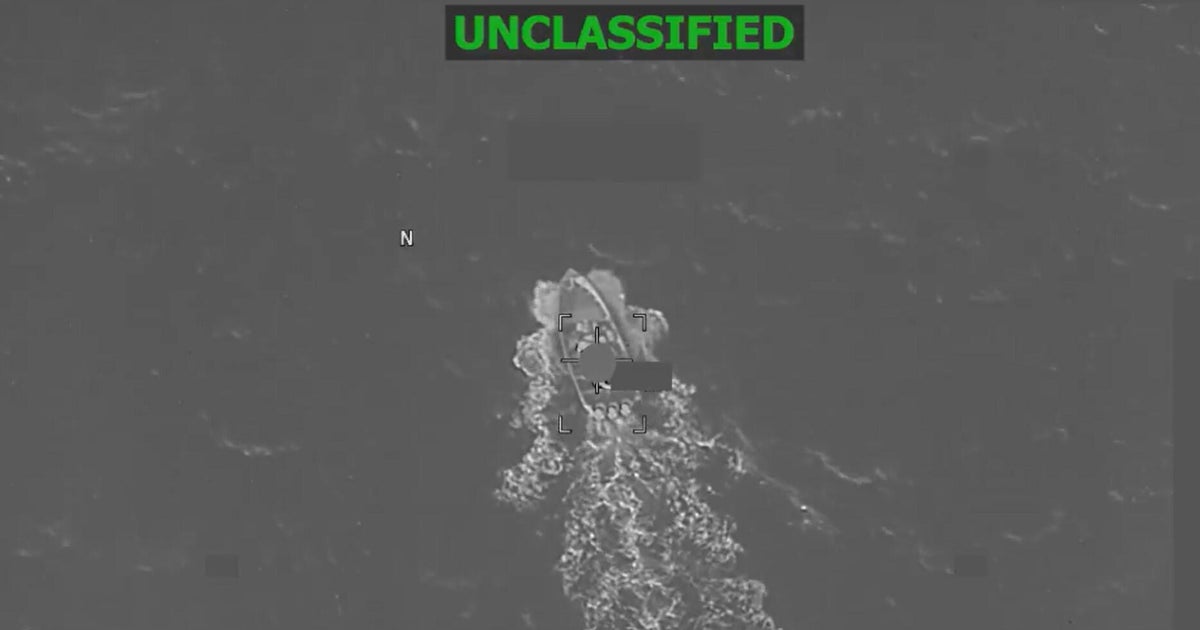
The Pentagon said a U.S. strike on an alleged drug boat in the eastern Pacific killed 3 people, bringing the reported death toll from the campaign to at least 178 since early September across 53 targeted vessels. The article highlights escalating U.S. military action against suspected cartel-linked boats, along with legal and evidentiary criticism of the strikes. Market impact is likely limited, though the story reinforces geopolitical and policy risk around U.S.-Latin America relations.
The market implication is not direct exposure to any single equity, but a rising probability of policy spillover into defense, coast-guard, surveillance, and detention infrastructure. If the campaign broadens, the second-order beneficiaries are vendors tied to maritime ISR, command-and-control, drones, sensors, and border logistics rather than traditional narcotics enforcement names; the budgetary unlock is that counter-narcotics can be framed as national security, which usually expands procurement faster than civilian law-enforcement channels.
The bigger near-term risk is legal escalation, not operational success. A sustained strike campaign without a clean evidentiary standard increases litigation risk, congressional backlash, and headline volatility around any contractor or program linked to the mission. That tends to create a two-stage trade: initial multiple expansion on “security posture” headlines, followed by drawdown risk if a court injunction, oversight hearing, or civilian casualty event forces a pause within days to weeks.
The contrarian point is that the economic effect on U.S. overdose trends is likely limited in the medium term because the supply chain is adaptable and substitution can shift routes rather than volumes. If the administration leans harder into maritime interdiction, the adaptive response is more likely to reroute through land corridors, increasing demand for border surveillance and inspection technologies while doing little to change the addiction-driven demand side. That makes “drug war equities” less of a binary policy bet and more of a relative-value trade between domestic security beneficiaries and politically exposed defense integrators.
The cleanest setup is to buy basket exposure to defense/ISR quality while shorting the most litigation-sensitive or domestic-politics-sensitive names on any extended headline spike. Time horizon matters: the first 2-6 weeks are headline-driven and can overshoot; the 3-12 month window is where procurement follow-through and budget language matter more than strike counts.
AI-powered research, real-time alerts, and portfolio analytics for institutional investors.
Request DemoOverall Sentiment
mildly negative
Sentiment Score
-0.20
