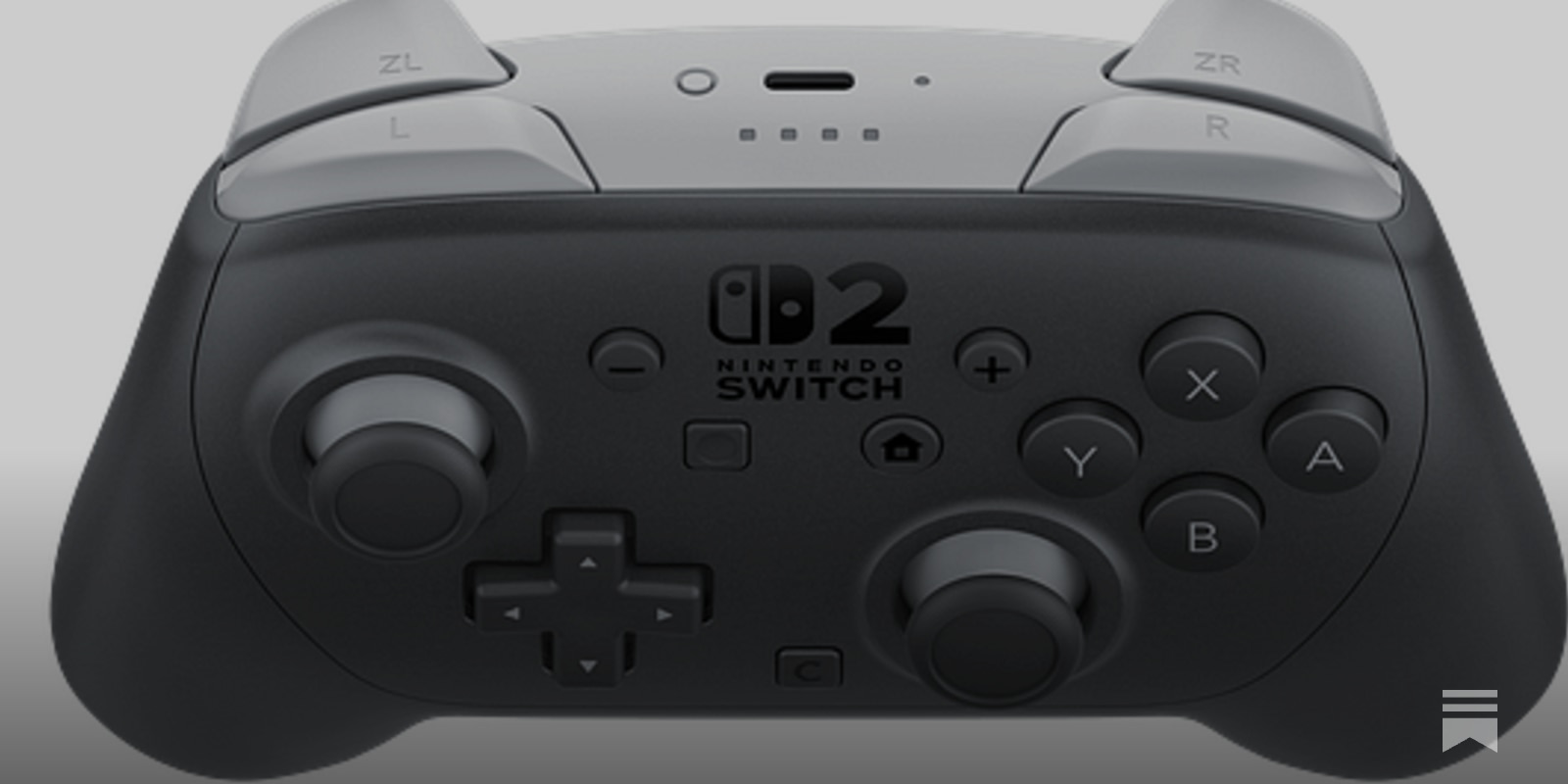
Two consumers filed a class action against Nintendo seeking to force any U.S. tariff refund to be passed back to customers who paid higher prices on Switch hardware and accessories. The suit argues Nintendo could recover tariffs twice—once via elevated prices and again from the government refund process—raising consumer-protection and unjust-enrichment claims. Nintendo’s tariff exposure has already driven multiple price increases, including a $5 hike on Switch 2 controllers in April and a later increase on the original Switch.
The immediate economic issue is not the size of the refund, but the precedent that tariff recovery becomes a pass-through obligation rather than a retained windfall. That shifts the litigation surface from customs law into consumer restitution, which lengthens the cash conversion cycle and increases the probability that companies with high-volume, low-margin distribution networks get dragged into follow-on claims even when they never set the original prices.
For FDX and UPS, the direct P&L impact is likely limited, but the headline risk is asymmetric because they are the easiest public comparables for plaintiffs to use as a legal template. Even a successful refund process can become a near-term overhang if it implies management has to choose between returning cash, reserving against claims, or spending on legal defense; that is a poor setup for multiple expansion over the next 1-2 quarters. The second-order effect is that any company with surcharge language embedded in customer contracts may now face discovery pressure on whether tariff pass-through was explicit, automatic, and reversible.
The market may be underpricing the fact that this is a process story, not a single-case story. If refund administration is slow or partial, the litigation discount persists for months; if it is fast, the cash may still not reach consumers because class certification and state-law claims can outrun operational reimbursements. That makes the asymmetry worse for companies that already telegraphed price discipline, because public acknowledgements can be used as evidence of consumer causation even when the underlying pricing action was broad-based and not tariff-specific.
Contrarian angle: this may ultimately be more bearish for sentiment than fundamentals. The actual dollars at stake are likely manageable relative to FDX and UPS balance sheets, but the spread of claims creates a narrative that tariff-related pricing power can be clawed back ex post, which could make retailers and logistics names more reluctant to use visible surcharges going forward. That should slightly compress pricing flexibility and cap margin upside in any renewed tariff cycle.
AI-powered research, real-time alerts, and portfolio analytics for institutional investors.
Request TrialOverall Sentiment
mildly negative
Sentiment Score
-0.15
Ticker Sentiment
