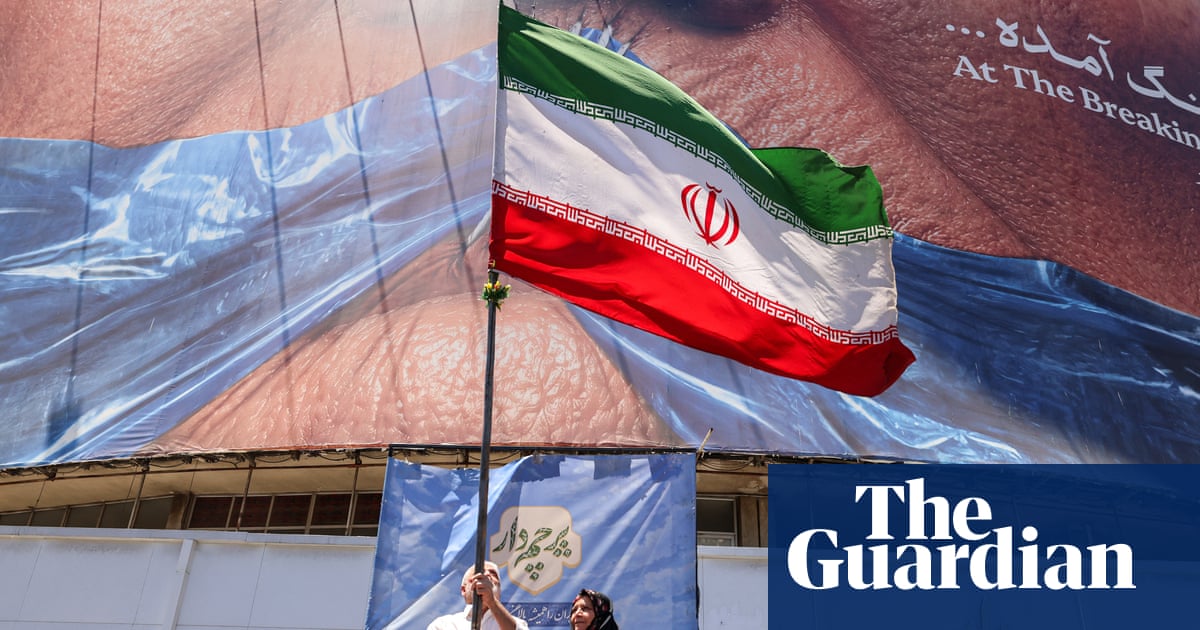
Negotiations over a fragile Iran ceasefire and draft peace deal are ongoing, with disputes centered on the Strait of Hormuz, sanctions relief, and up to $12bn in frozen assets. Tehran has already targeted a US base in Kuwait and the IRGC is restricting shipping through the strait, raising the risk of disruption to global oil flows; oil prices rose 2% and remained below $100 a barrel. The US is also threatening sanctions on Oman if it supports tolls in the strait, while both sides continue indirect talks via Pakistan and Qatar.
The market is pricing a narrow diplomatic window, but the bigger issue is operational fragility: if shipping behavior changes before any formal framework is locked, the physical premium on Middle East crude can reprice faster than the headline deal premium fades. The key second-order effect is not just oil direction, but the dispersion between energy producers and transport-sensitive sectors; every extra day of constrained passage keeps bunker costs, freight insurance, and inventory financing elevated across global trade lanes.
The most asymmetric near-term winner is any asset leveraged to realized crude volatility rather than outright price, because the path risk is higher than the terminal level. If the corridor reopens cleanly, the move lower in oil may be limited by lingering sanctions friction and the probability that Iran enforces “permissioned” transit informally; if talks fail, the market can gap quickly as traders reprice tail risk above the current comfort zone. That makes short-dated convexity more attractive than linear directional exposure.
A key contrarian point: consensus may be underestimating how much of the market’s fear is already embedded in oil, while underestimating the probability of a slow-burn logistics tax rather than a binary supply shock. Even without a formal escalation, tolls, transponder enforcement, and intermittent inspections can bleed into global freight rates and downstream margins for weeks, not days. That argues for relative trades versus outright macro shorts.
Political pressure is also asymmetric: the diplomatic process can fail for reasons unrelated to energy fundamentals, and those failures can happen within days, while any economic normalization would likely require multiple 30- to 60-day checkpoints. The cleanest setup is to own volatility into the negotiation deadline and fade beneficiaries that depend on frictionless trade if the corridor remains contested. The downside risk is a surprise UN-backed framework that removes the immediate shipping premium and forces a fast unwind in crude and tanker names.
AI-powered research, real-time alerts, and portfolio analytics for institutional investors.
Request TrialOverall Sentiment
strongly negative
Sentiment Score
-0.70
