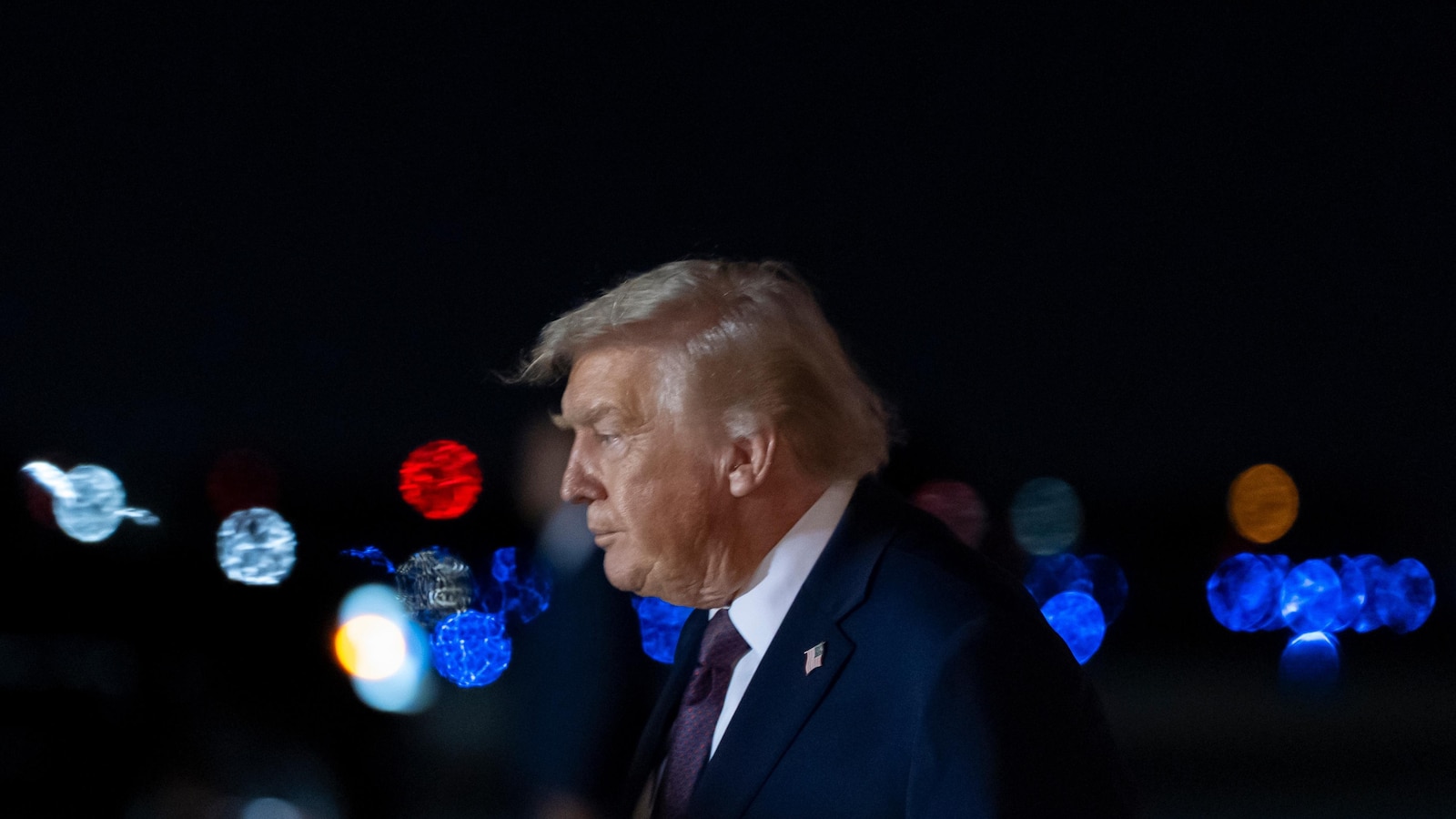
The United States conducted airstrikes in northwest Nigeria targeting Islamic State-affiliated militants (likely the locally known Lakurawa/ISSP), marking a significant escalation in a conflict that Nigeria’s overstretched military has struggled to contain. The militants, active in Sokoto and Kebbi since about 2017 and linked to cross-border networks in Niger, have carried out killings, kidnappings and other crimes; analysts emphasize governance gaps and porous borders—exacerbated by the 2023 Niger coup—as root causes. The strikes, part of U.S.-Nigeria intelligence coordination, raise regional security and political risk and could marginally increase risk premia for investments or operations tied to northern Nigeria and border areas.
Market structure: Short-term winners are defense & ISR contractors (e.g., RTX, LHX, MAXR) and private security suppliers as US involvement increases demand for airstrike coordination, intelligence, drones and satcom; expect a 10–25% rerating potential over 6–12 months if US bilateral support persists. Losers are local Nigerian assets (NGE ETF, local banks, frontier sovereign bonds) and cross-border trade-sensitive sectors; expect NGN depreciation pressure of 5–10% in 1–3 months if capital flight intensifies.
Risk assessment: Tail risks include regional escalation (spillover to Niger/Benin) that could push Brent +$2–4/bbl and force broad EM selloffs, or domestic political backlash that halts cooperation — both <20% probability but high impact. In the immediate term (days) expect volatility spikes in EM FX and sovereign CDS; in 3–12 months the key dependency is Nigerian governance reforms — absent those, recurrence risk remains >50% and will keep risk premia elevated.
Trade implications: Tactical trades should favor long 6–12 month exposure to select defense/ISR names (size 1–3% each) financed by trimming frontier/Nigeria equity and sovereign exposure; consider buying 3–6 month USD/NGN forwards or 1% portfolio CDS protection on Nigeria sovereigns. Use options to buy call spreads on RTX/LHX (6–9 months) to cap cost; pair trade idea: long LHX vs short NGE to capture relative rerating.
Contrarian angles: The market may overreact to headline geopolitics — if US strikes are surgical and followed by enhanced Niger/Nigeria cooperation, Nigerian risk premia could mean-revert 20–30% within 3–6 months, creating a tactical buy-on-weakness opportunity. Conversely, underappreciated outcomes include prolonged militia adaptation (motorcycle warfare, hostage use) making airpower less effective — avoid levering frontier sovereign debt until two consecutive months of attack reductions (>30% m/m) are observed.
AI-powered research, real-time alerts, and portfolio analytics for institutional investors.
Request DemoOverall Sentiment
moderately negative
Sentiment Score
-0.45
