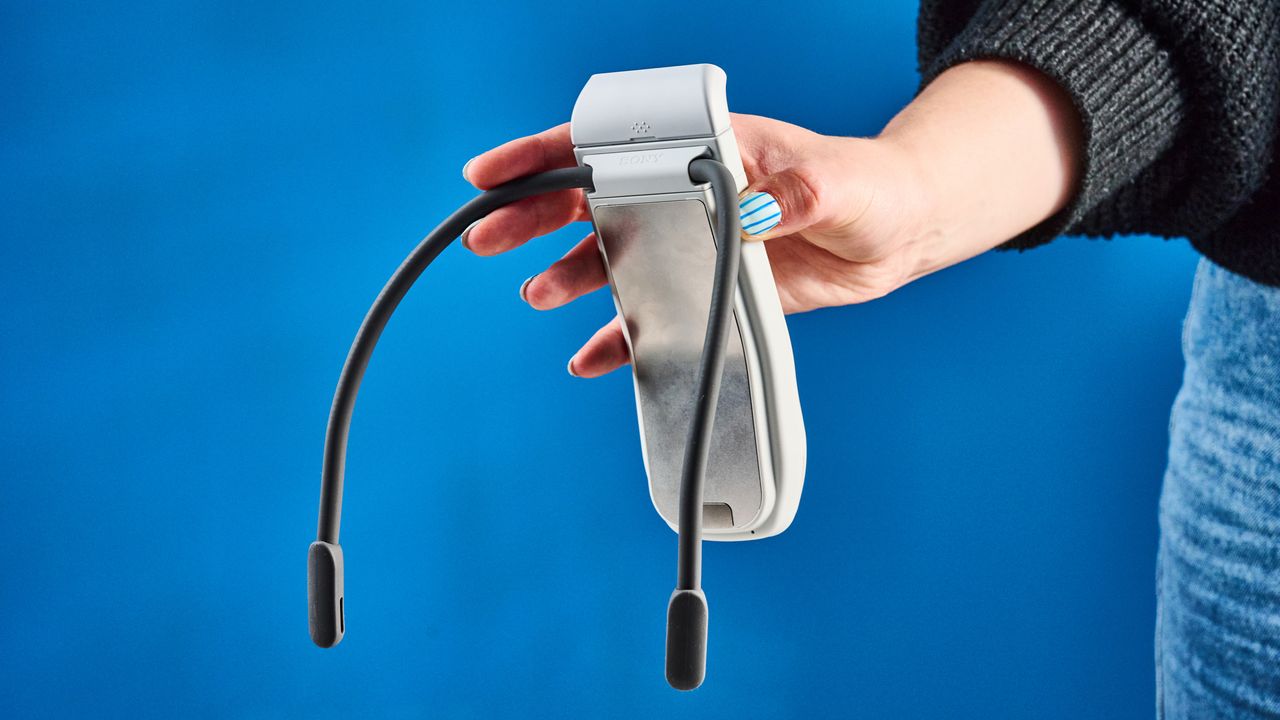
Sony's Reon Pocket Pro Plus wearable thermo device is slated for a U.S. launch in Summer 2026 and is already selling in the U.K. for £199 on Amazon. The article highlights its cooling and warming functionality, discreet design, and potential to replace handheld fans for everyday temperature control. The news is consumer-product focused and is unlikely to have a meaningful near-term market impact.
Sony is not just selling another consumer gadget; it is probing a category that sits at the intersection of wearables, health, and everyday comfort, where the willingness to pay is higher than in commodity electronics. If the U.S. launch lands with any meaningful buzz, the real upside is less unit volume and more brand halo: it can reinforce Sony as an innovation company again, which matters for portfolio relevance in categories where consumers pay for design and discretion. The second-order winner is likely Amazon as the distribution rail, but the bigger implication is that premium marketplace placement can amplify launch velocity without Sony having to build a large direct-to-consumer funnel.
The competitive read-through is more interesting than the device itself. This kind of product can pressure handheld fan and personal cooling incumbents, but the real displaced wallet share may come from adjacent categories like desk fans, neck fans, and even low-end portable AC accessories where impulse purchases dominate. Because the product is silent and concealed, it has a use-case advantage in offices and transit that competitors cannot easily replicate with airflow-based products; that raises the odds of a premium SKU ladder rather than a broad market replacement.
Catalyst timing is long-dated: the investable window is months, not days, because the U.S. availability is the true demand test. The main risk is that novelty demand fades quickly after launch and the device becomes a niche Japanese-style accessory with limited repeat purchase or attach rate. Another risk is channel friction: if Amazon inventory is thin at launch, Sony loses the initial social-media-driven conversion burst and the thesis shifts from growth to a smaller brand exercise.
The contrarian angle is that the market may underappreciate how much this type of product depends on climate behavior rather than technology alone. In hotter urban summers and office return-to-work settings, small discomfort-reduction devices can outperform expectations because buyers treat them as productivity tools, not gadgets. If Sony shows sustained U.S. sell-through, it could validate a broader portfolio of “micro-comfort” devices that are less cyclical than traditional consumer electronics.
AI-powered research, real-time alerts, and portfolio analytics for institutional investors.
Request DemoOverall Sentiment
mildly positive
Sentiment Score
0.20
Ticker Sentiment
