

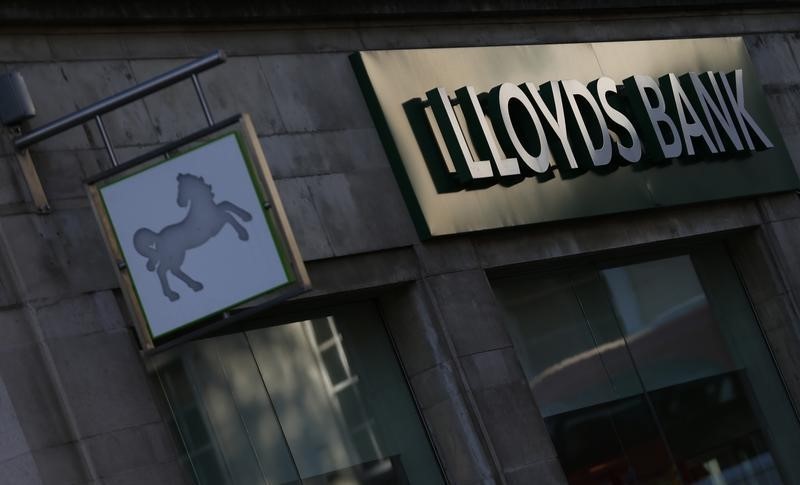
Zinc Media Group signed a £3 million revolving credit facility with Lloyds Bank, with an option to expand it by £2 million subject to approval. The company said the new financing will strengthen its balance sheet and improve working capital flexibility, and it has also secured £1 million of new business since May 21, including a BBC ONE Sunday Morning Live recommission. The update is modestly positive for liquidity and near-term business momentum, but likely limited in broader market impact.
This is less a growth inflection than a financing-quality signal: a small-cap media operator has reduced near-term liquidity risk without sacrificing equity, which usually tightens the valuation discount on the name and peers with similar working-capital intensity. The incremental business wins matter mainly because they arrive alongside bank support; lenders rarely extend flexibility unless they see either order visibility or asset quality improving, so the second-order read-through is a lower probability of forced dilution over the next 12 months.
The market is likely underestimating how much this changes bargaining power with suppliers and talent. In production businesses, liquidity buffers translate into better terms on shoot schedules, subcontractors, and post-production commitments, which can compound into margin stability even if revenue growth remains modest. The flip side is that the facility can mask structural weakness: if new business does not convert into cash within 1-2 quarters, the balance-sheet relief simply delays a tighter refinancing conversation.
Contrarian angle: the announcement should not be treated as a broad signal for the media space, because the benefit accrues disproportionately to operators with recurring commissions and bankable receivables. For lower-quality peers, a credit line is not a catalyst unless accompanied by demonstrable free-cash-flow conversion; otherwise the market may read it as an expensive bridge rather than a durable solution. The true watchpoint is whether working-capital release shows up in H2 cash generation, not headline bookings.
AI-powered research, real-time alerts, and portfolio analytics for institutional investors.
Overall Sentiment
mildly positive
Sentiment Score
0.35
Ticker Sentiment
