



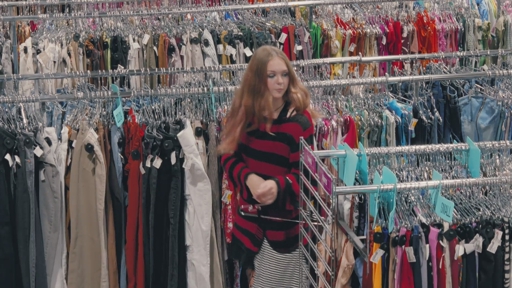
Plato's Closet is launching its “Find the Fit that Fits You” back-to-school campaign, including an in-store back-to-school simulator designed to help teens try outfits and build confidence. The initiative is timed with Bank of America reporting that thrift-store visits are up more than 25% since late 2022, supporting demand for resale during the school season. The news is largely promotional with limited direct financial implications for public markets.
This is more brand reinforcement than a near-term earnings catalyst. For WINA, the real economic lever is not the campaign itself but whether sustained thrift traffic improves franchisee inventory velocity and store-level cash generation; that matters because the model is royalty-heavy and capex-light, so modest traffic gains can flow through disproportionately if they persist.
The second-order winner is physical resale versus online recommerce. Teens shopping for fit and instant gratification favor in-store try-on, which is a structural headwind for app-first used apparel platforms and a relative tailwind for mall-adjacent, labor-light concepts that can turn inventory quickly. Traditional teen apparel chains like AEO and ANF lose only if trade-down remains sticky; otherwise this is mostly share rotation inside the value channel, not a category expansion.
The contrarian risk is that management and the market may overread ESG-oriented marketing as demand evidence. The key question is whether thrift visitation translates into franchise openings, royalty growth, and sustained same-store sales over the next 1-3 quarters; if not, the stock likely remains a low-beta compounder with limited upside from this news. Falsify the thesis with weak back-to-school comps, slowing territory fill, or any indication that discretionary spend is rotating back to new apparel once consumer confidence improves.
AI-powered research, real-time alerts, and portfolio analytics for institutional investors.
Overall Sentiment
neutral
Sentiment Score
0.10
Ticker Sentiment
