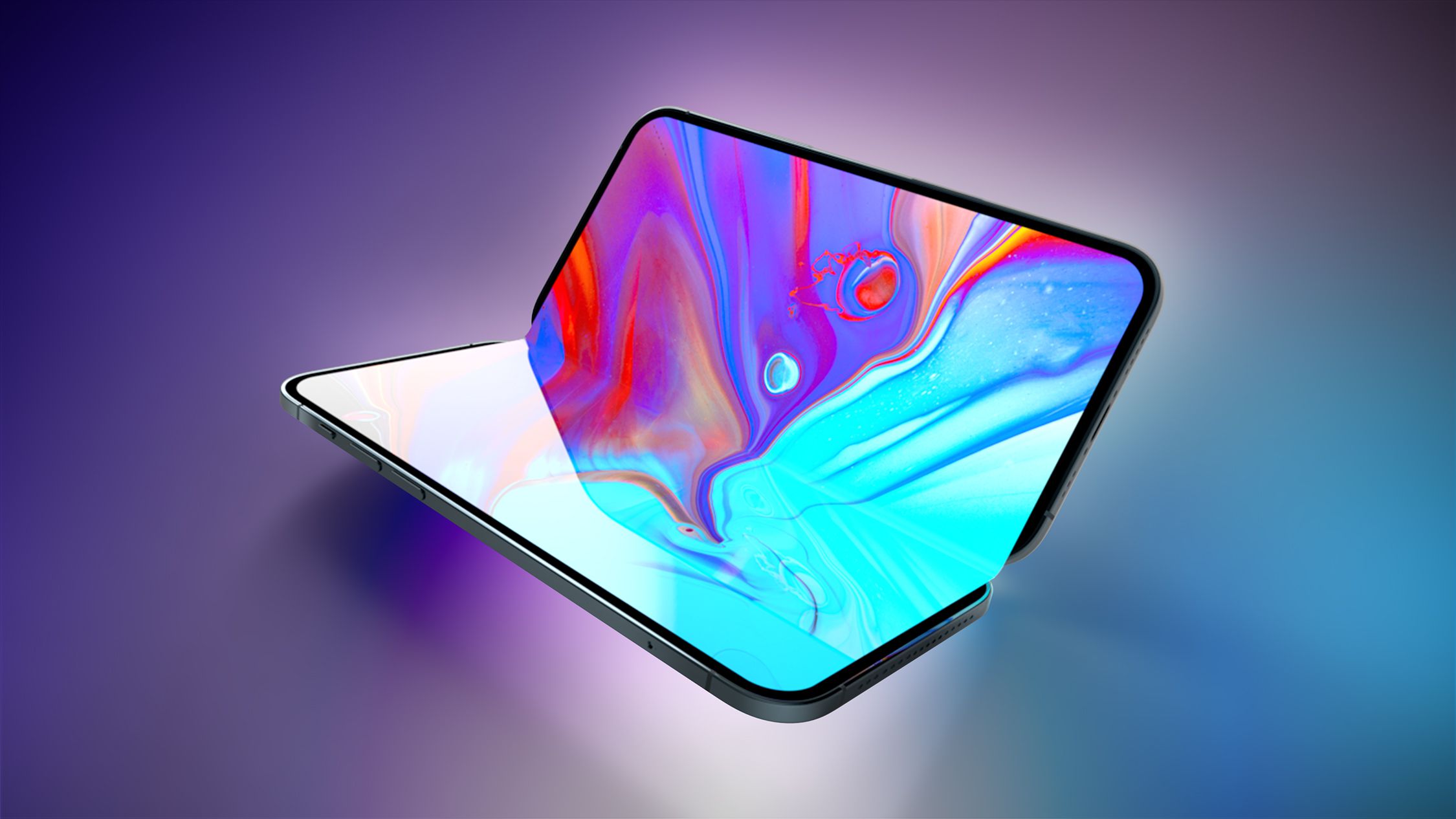
Apple's rumored foldable iPhone is described as having a highly modular internal design that could make it the easiest foldable to disassemble and repair in the industry. The device is expected to launch in the fall alongside the iPhone 18 Pro models, with a 7.8-inch inner display, 5.5-inch cover screen, A20 chip, C2 modem, Touch ID, and two rear cameras. The report also reiterates prior claims of a roughly $2,000 launch price, eSIM-only support, and the biggest battery ever used in an iPhone.
If the repairability narrative proves out, the first-order winner is not just Apple’s premium mix but its cost of capital around the product cycle: a modular foldable reduces downside in the event of early hinge/display failure rates, which is the main reason foldables have historically needed heavier warranty reserves and slower adoption. The more important second-order effect is competitive pressure on Samsung/Huawei-style foldables, where high service complexity has been a hidden tax on gross margin and a deterrent for enterprise buyers.
This also implies a more favorable channel for AppleCare attach and fewer post-sale friction costs, but the bigger economic lever is demand conversion from “curious” to “safe to buy.” If teardown videos validate a cleaner architecture, Apple can credibly market durability without compromising thinness, which should help expand the TAM beyond enthusiasts into higher-income upgraders and enterprise users over the next 6-12 months. That matters more than the launch itself because foldables are still a trust product, not just a spec product.
Contrarian risk: the market may be over-weighting the design story versus the actual unit economics. A $2k foldable with a big battery, dual screens, A20, and a new modem still has meaningful bill-of-materials and yield risk; if launch supply is tight, the early read-through can look better for ASPs than for volume. The other tail risk is that repairability headlines can backfire if consumers infer the device is more serviceable because it is more failure-prone, which would cap halo effects if early review sentiment shifts toward durability concerns.
Net, this is incrementally positive for AAPL over a 6-12 month horizon, but probably not enough alone to re-rate the stock unless it changes the iPhone replacement cycle narrative. The cleaner trade is to own Apple optionality into launch while fading second-order losers in the Android foldable ecosystem if adoption data shows share pressure rather than just category expansion.
AI-powered research, real-time alerts, and portfolio analytics for institutional investors.
Request DemoOverall Sentiment
mildly positive
Sentiment Score
0.25
Ticker Sentiment
