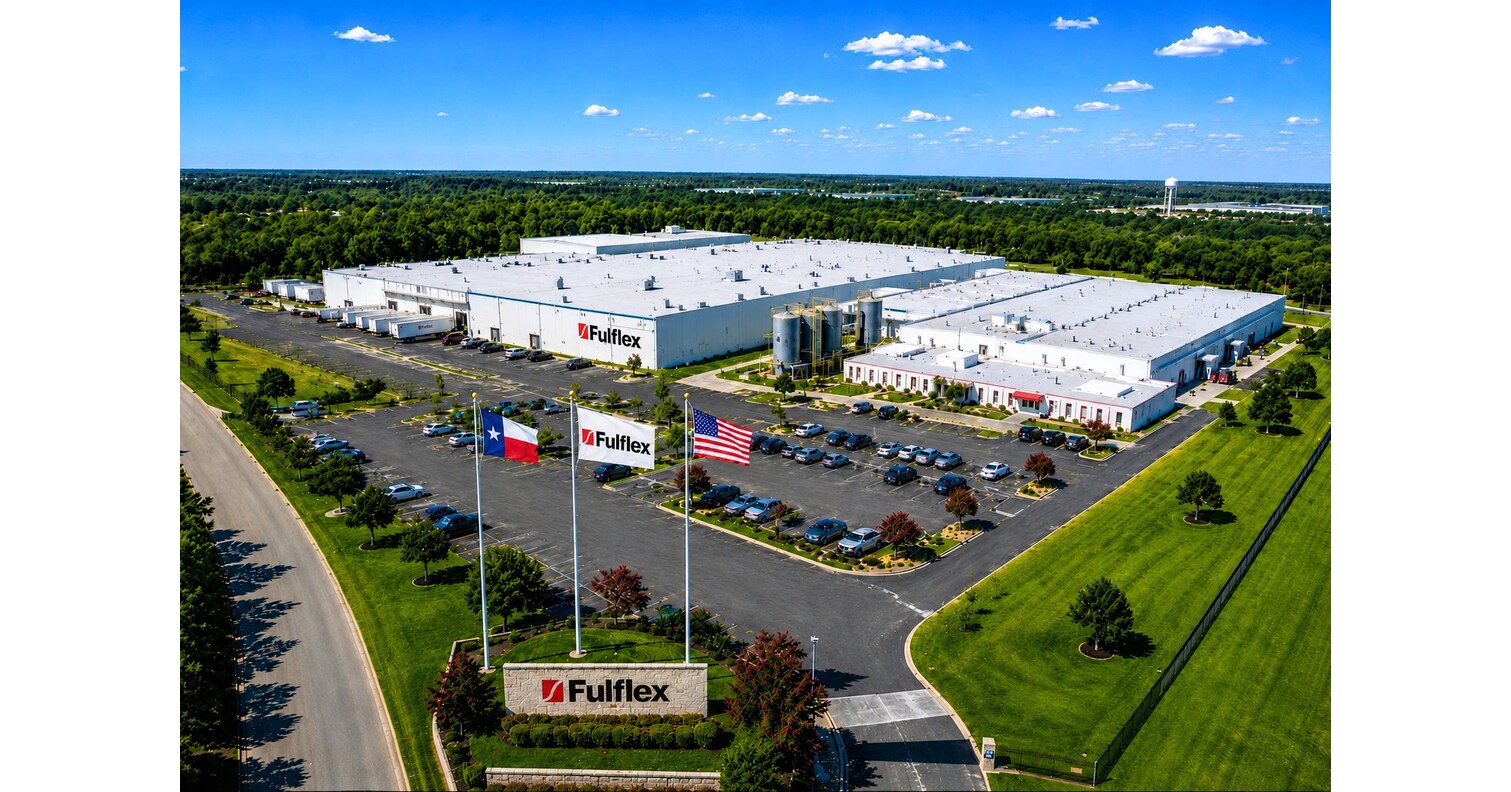
Fulflex completed the acquisition of a 300,000-square-foot, fully automated medical products manufacturing facility in Jacksonville, Texas, adding a 30-acre campus footprint and expanding its North America healthcare manufacturing capacity. The deal brings more than 250 employees into the company and broadens advanced capabilities (e.g., plastics injection molding, thermoforming, extrusion, assembly) to improve production scale, flexibility, and supply-chain resilience. Post-transaction, Fulflex operates 14 locations globally and positions Jacksonville as one of its largest and most advanced manufacturing sites.
The real signal is not capacity expansion per se; it is lower unit cost and better quote credibility in a category where customers pay for continuity as much as price. A fully automated footprint in North America should improve Fulflex’s position in RFQs against smaller regional converters and higher-labor-cost offshore supply, but the market share gain will likely come slowly through contract re-bids rather than a near-term revenue spike.
For public comps, the second-order effect is modest pressure on contract manufacturing and polymer-disposable suppliers that compete on reliability and lead times, especially names with older plants or heavier manual labor exposure. That said, healthcare customers tend to dual-source rather than rip-and-replace, so the likely path is margin compression at the low end of the market over 6-18 months, not an abrupt volume transfer. In the immediate term, this is more about de-risking supply chains than creating new demand.
The contrarian view is that investors may overrate the strategic significance of a plant acquisition without evidence of utilization ramp, pricing power, or retained customer programs. The key falsifier is weak throughput or flat gross margin after integration, which would turn this into a capital drag rather than a competitive advantage. For listed peers, the watch item is whether management teams start talking about accelerated automation capex or dual-sourcing losses over the next 1-3 quarters.
AI-powered research, real-time alerts, and portfolio analytics for institutional investors.
Overall Sentiment
mildly positive
Sentiment Score
0.25
Ticker Sentiment
