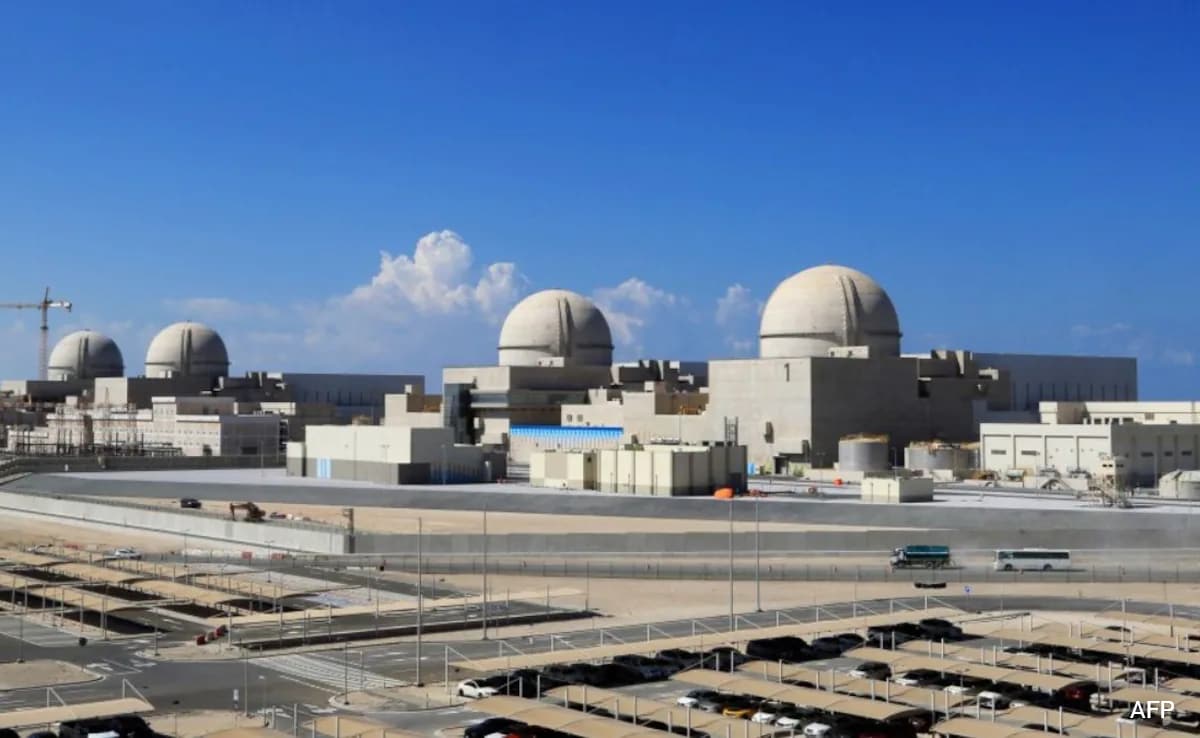
A drone attack targeted the UAE's Barakah nuclear facility, though no injuries or radiation impact were reported and two drones were intercepted. India and the UAE condemned the strike as a dangerous escalation, with regional ministers calling for restraint and dialogue. The incident raises geopolitical risk in the Middle East and highlights vulnerabilities around critical energy infrastructure, including a plant that supplies about 25% of Abu Dhabi's electricity.
This is a classic tail-risk repricing event for Gulf infrastructure: the direct damage is limited, but the market should care much more about the precedent. Once a nuclear site is shown to be reachable, the relevant risk premium shifts from the plant itself to adjacent sovereign assets — desalination, grid interconnects, LNG/export terminals, and aviation — because investors will now assume layered critical infrastructure defense spending rises across the region.
The second-order effect is that the UAE and Saudi Arabia are incentivized to accelerate air-defense integration and hardening of energy infrastructure, which is constructive for prime contractors and missile-defense supply chains over the next 6-18 months. It also subtly tightens the energy market: even without lost barrels, perceived vulnerability in the Gulf tends to widen crude risk premia and suppress downside volatility, especially if shipping lanes or coastal assets are implicated later. That dynamic can be more important than the immediate headline because it keeps option-implied skew bid even if spot prices barely move.
The bigger market mistake would be treating this as a one-off escalation. The real catalyst path is retaliation-for-retaliation, which would reprice everything from regional equities to insurance costs and project finance spreads; however, if diplomatic signaling quickly de-escalates, the risk premium can collapse just as fast. The asymmetry favors owning convexity for 2-8 weeks rather than pressing outright directional energy longs at already elevated geopolitical risk premia.
AI-powered research, real-time alerts, and portfolio analytics for institutional investors.
Request DemoOverall Sentiment
strongly negative
Sentiment Score
-0.62
