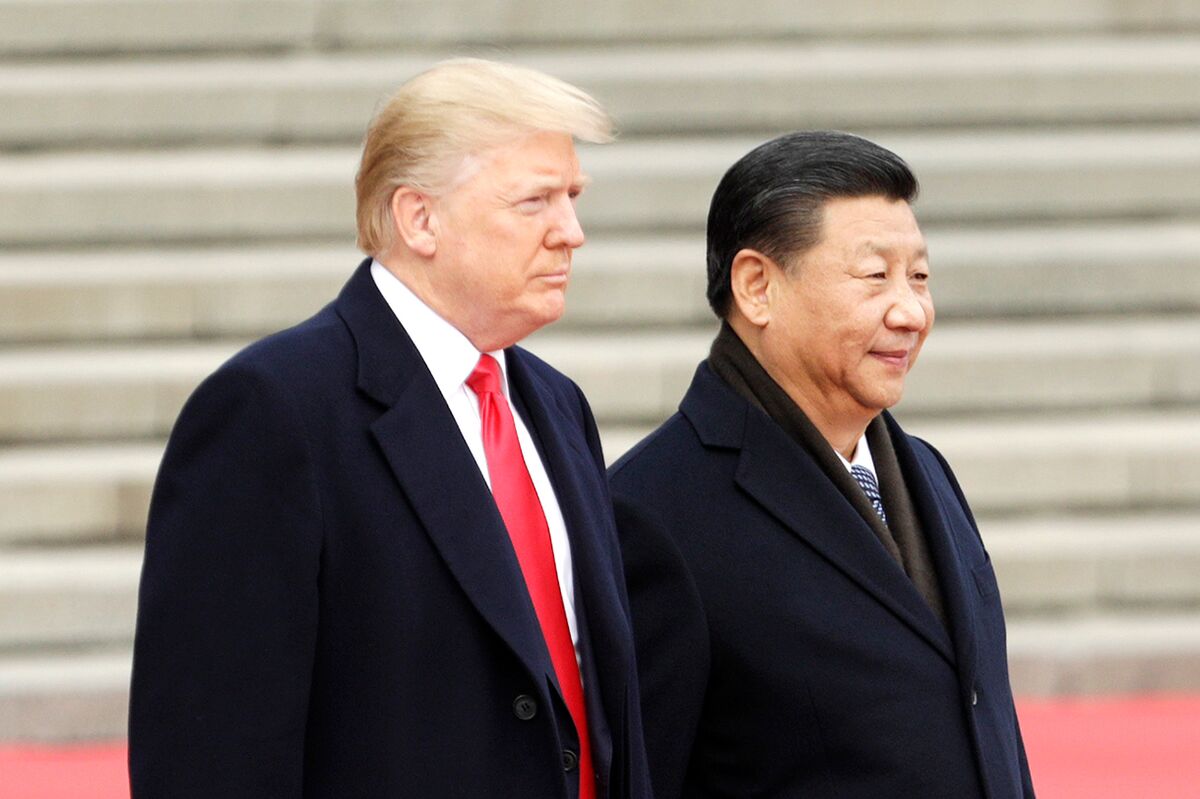
Chinese leader Xi Jinping is signaling a retaliatory stance against US export controls, indicating China's readiness to implement its own 'long-arm jurisdiction' measures in the ongoing trade dispute. This development suggests an escalation of trade tensions, with China prepared to match US actions.
Chinese leader Xi Jinping has signaled a hawkish and retaliatory stance against US export controls, indicating China's readiness to implement its own "long-arm jurisdiction" measures. This development marks a significant escalation in the ongoing trade dispute between the two economic powers. The general sentiment surrounding this news is moderately negative, with a score of -0.5, reflecting increased geopolitical friction and uncertainty.
This tit-for-tat approach suggests China is prepared to match US actions, potentially leading to a more entrenched and volatile trade environment. The market impact score of 0.6 indicates that investors should anticipate notable repercussions across various sectors. This situation falls squarely within themes of Trade Policy & Supply Chain, Sanctions & Export Controls, and Geopolitics, highlighting broad systemic risks.
The threat of reciprocal export controls could further disrupt global supply chains, particularly for industries reliant on critical components or rare earth materials where China holds significant leverage. Companies with substantial operations or revenue exposure in both the US and China face heightened regulatory and operational uncertainty. This escalation demands careful monitoring of policy developments from both nations.
AI-powered research, real-time alerts, and portfolio analytics for institutional investors.
Request DemoOverall Sentiment
moderately negative
Sentiment Score
-0.50
