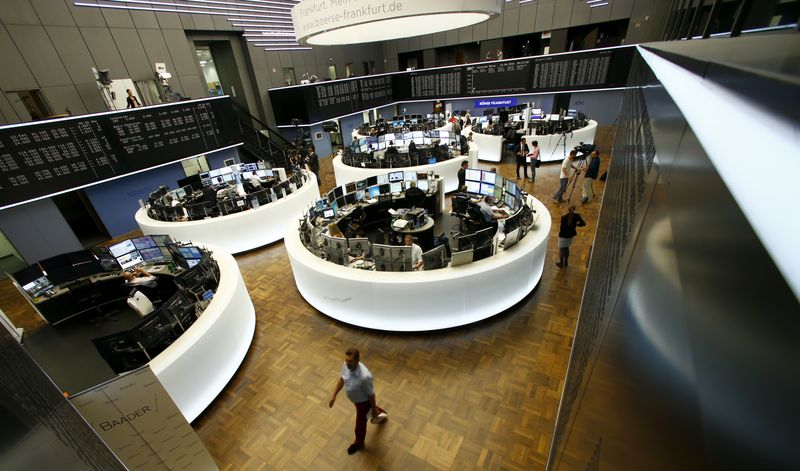
Brent crude jumped 6.0% to $113.74/bbl and WTI rose 1.0% to $96.26/bbl as Iran attacks on energy infrastructure pushed oil above $110. Pan-European indices slid: Stoxx 600 -1.2%, DAX -1.6%, CAC 40 -1.1%, FTSE 100 -1.2% as investors moved risk-off and bid the dollar. ECB and BoE are expected to hold rates, following other central banks that paused policy but warned inflation could intensify if the U.S.-Israeli strikes on Iran escalate. WTI’s deep discount to Brent was noted as partially driven by U.S. strategic reserve releases, amplifying regional market dislocations.
The immediate, non-linear winner set is assets that convert marginal barrels to cash fastest and have export optionality — US tight producers, Gulf Coast refiners with crude export/clean product access, and LNG tolling/shipper contracts. These assets capture the bulk of a price shock within 30–180 days because they can redirect flows to the highest‑margin outlets (exports, crack spreads) while majors and long-cycle projects take quarters to respond; expect FCF acceleration to show up in reported metrics within two quarters.
Tail risks concentrate in logistics and insurance: elevated tanker and hull insurance, port/strait closures and sanctions create step‑function cost increases that hit smaller traders and spot cargo economics first, compressing wholesale liquidity and widening arbitrage windows (Brent vs regional grades) for weeks. Reversal catalysts include a coordinated SPR-like release, a rapid diplomatic de‑escalation, or demand softness from China — any of which could unwind risk premia within 30–90 days and produce swift mean reversion in vol and spreads.
Macroeconomically, higher energy-driven headline inflation tightens the policy-growth tradeoff and increases the chance that central banks keep real rates higher for longer, pressuring rate‑sensitive sectors and strengthening the USD in the near term. Market positioning is crowded long in energy and long-dollar; watch options skew and cross-border flows as early indicators of profit taking and a potential 10–25% pullback in energy equities if realized volatility retreats.
AI-powered research, real-time alerts, and portfolio analytics for institutional investors.
Overall Sentiment
mildly negative
Sentiment Score
-0.35
Ticker Sentiment
