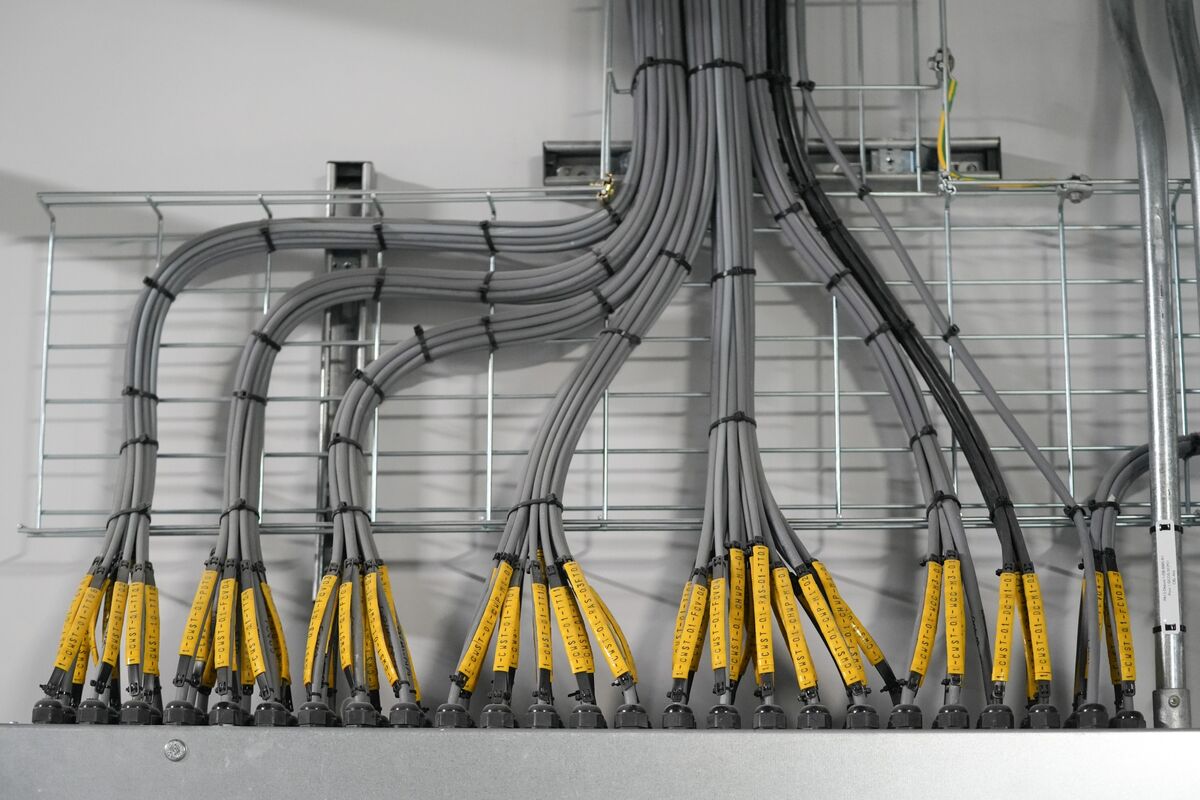
Jane Street Group plans to build and finance its own data center as it expands to secure scarce computing capacity for trading and AI-related operations. The move suggests strong internal demand for compute and a willingness to invest in infrastructure amid tight supply. The report is strategic and forward-looking, but it does not include financial terms or near-term earnings impact.
This is a sign that compute is becoming a strategic input rather than a mere operating expense, and the first-order winner is whoever can secure power, land, cooling, and interconnects before the bottleneck widens. The second-order implication is that low-latency, inference-heavy trading and AI workloads are increasingly converging on the same infrastructure stack, which should lift demand for specialized data-center components, power equipment, and electrical contracting even if headline AI capex softens elsewhere.
The biggest beneficiaries are not necessarily the hyperscalers; they are the picks-and-shovels suppliers with constrained lead times and pricing power. That includes electrical gear, switchgear, transformers, backup power, liquid cooling, and permitting/infrastructure services. A build like this also pressures smaller colo providers and generic leased-capacity models, because internally financed facilities can undercut them on utilization economics once volume reaches scale.
The contrarian read is that this is less a bullish demand signal for AI than a defensive move against scarcity. If top-tier market participants are forced to vertically integrate compute, the market is telegraphing that near-term capacity is still tighter than demand models imply. That usually extends the cycle for infrastructure names by multiple quarters, but it also raises execution risk: project delays, grid interconnect constraints, and cost inflation can compress returns if power availability or permitting slips by 6-18 months.
For equity markets, the most actionable angle is to own the bottlenecks, not the end user. If this thesis is right, the trade works until supply response catches up or financing becomes less abundant; the main reversal catalyst is a wave of new power-connected supply coming online in 2026-27, or a sharp slowdown in AI/quant compute spend that reduces the urgency premium.
AI-powered research, real-time alerts, and portfolio analytics for institutional investors.
Request DemoOverall Sentiment
mildly positive
Sentiment Score
0.15
