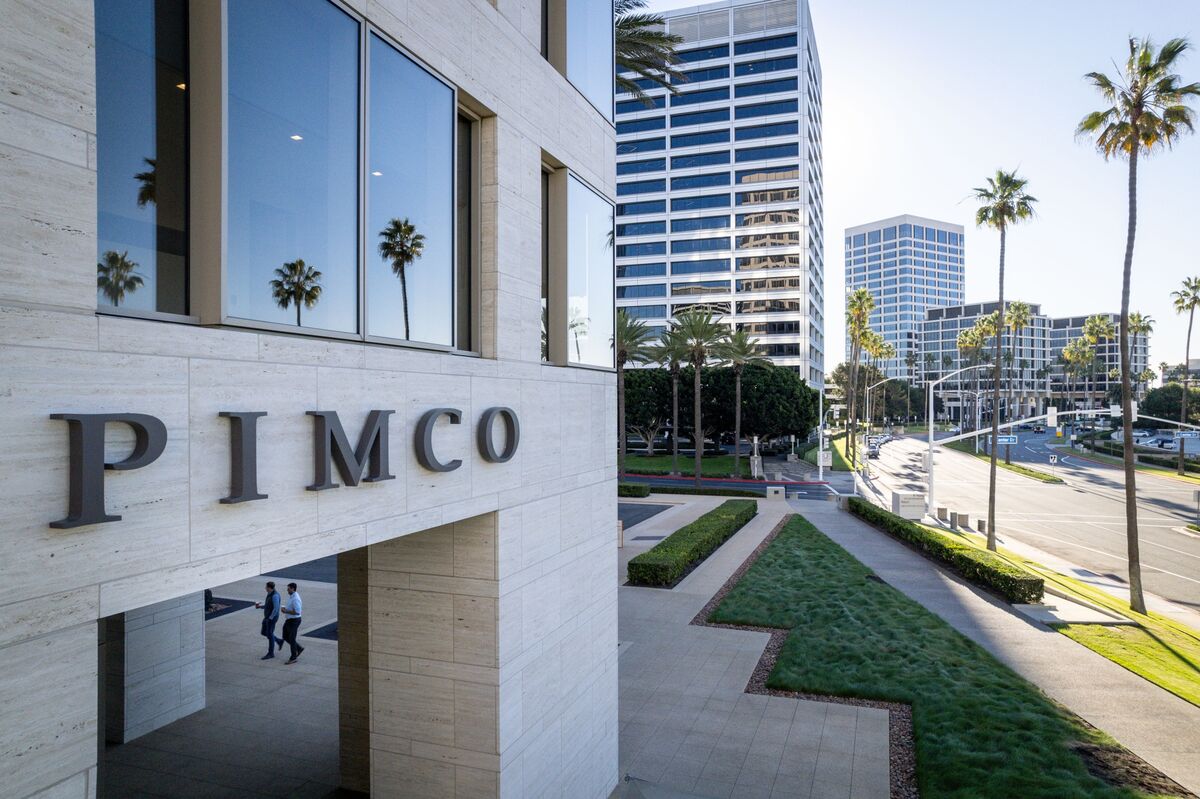
Pimco has privately lent more than $10 billion to state-backed and government borrowers in the Gulf since the Iran war began on Feb. 28, as regional governments seek cash buffers against potential fallout. The financing was done through private placements, highlighting ongoing demand for large-scale debt capital in a geopolitically stressed environment. The story is supportive for Gulf funding access but reflects heightened wartime risk and defensive balance-sheet management.
The bigger signal is not that a large asset manager found yield, but that Gulf sovereigns are effectively pre-funding geopolitical insurance through privately negotiated, balance-sheet-heavy capital. That is a liquidity backstop for the region: it lowers near-term refinancing pressure, suppresses headline CDS widening, and may keep public market issuance calmer than the underlying risk would otherwise justify. The first-order beneficiary is the sovereign funding ecosystem; the second-order winner is private credit/structured placement desks that can intermediate size without forcing mark-to-market volatility into public bond markets.
The hidden loser is not an obvious local borrower, but global high-grade spread sellers who compete with these placements for capital. If private deals clear at attractive spreads, the trade sets a benchmark that can pull away marginal demand from EM sovereign bonds, quasi-sovereigns, and even some IG issuers that were relying on reserve-rich Middle East accounts. Over the next 1-3 months, this can flatten perceived risk premia in the Gulf even if the war premium remains unresolved, creating a misleading sense of stability in public curves.
Catalyst-wise, the key risk is that this is a confidence bridge, not a permanent solution. If the conflict broadens or oil infrastructure is disrupted, the market will quickly reprice not just sovereign risk but banking-system liquidity, because private placements can mask near-term funding stress rather than eliminate it. The reversal would likely come through a sudden rise in shipping/insurance costs, FX reserve anxiety, or a shift in policy language from "buffering" to capital preservation, which would show up within days in CDS and within weeks in primary issuance conditions.
The contrarian takeaway is that the market may be underestimating how much this supports near-term Gulf credit while overestimating how durable the protection is. In other words, spreads can stay tighter for longer than geopolitical headlines imply, but once the buffer is consumed the adjustment could be violent because issuance will be pushed back into public markets at exactly the wrong time. That creates a tactical opportunity to fade complacency in duration-sensitive, war-exposed credits rather than shorting the region outright.
AI-powered research, real-time alerts, and portfolio analytics for institutional investors.
Request DemoOverall Sentiment
neutral
Sentiment Score
0.10
