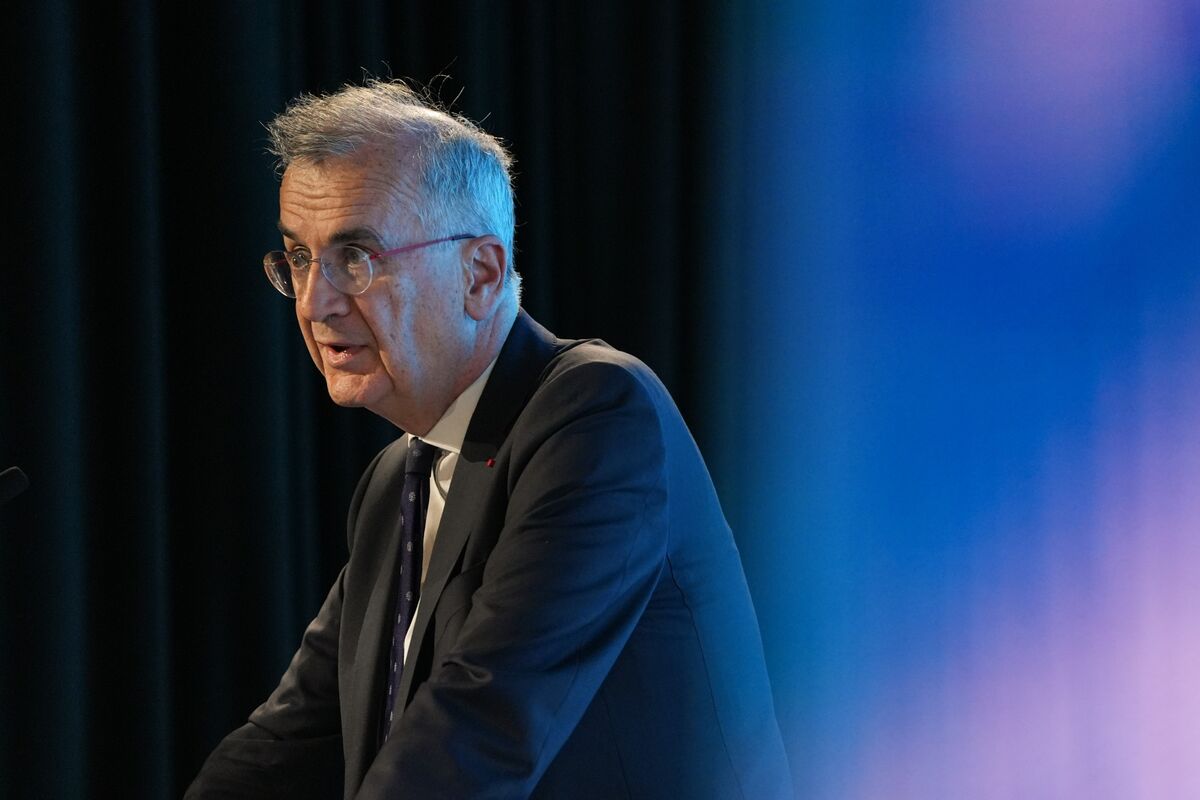
ECB Governing Council member Francois Villeroy de Galhau has identified quantitative easing (large-scale asset purchases) as the European Central Bank's preferred unconventional monetary policy tool, particularly when interest rates are at zero. In a recent op-ed, he stated QE should be the 'first choice' to induce 'lasting change,' signaling a potential continued reliance on asset purchases to steer policy in a low-rate environment following the ECB's strategy review.
ECB Governing Council member Francois Villeroy de Galhau has explicitly identified quantitative easing (QE) as the central bank's preferred unconventional monetary policy instrument, according to his recent op-ed. By labeling large-scale asset purchases as the "first choice" to enact "lasting change" when interest rates are at zero, he provides a clear signal on the ECB's policy reaction function following its latest strategy review. This statement reinforces the dovish tone from the ECB, suggesting a high probability of continued balance sheet expansion to steer the economy in a low-rate environment. The commentary carries significant weight for European credit and bond markets, as it implies a sustained commitment to suppressing yields and maintaining accommodative financial conditions, which aligns with the moderately positive market sentiment and impact score.
AI-powered research, real-time alerts, and portfolio analytics for institutional investors.
Request DemoOverall Sentiment
moderately positive
Sentiment Score
0.45
