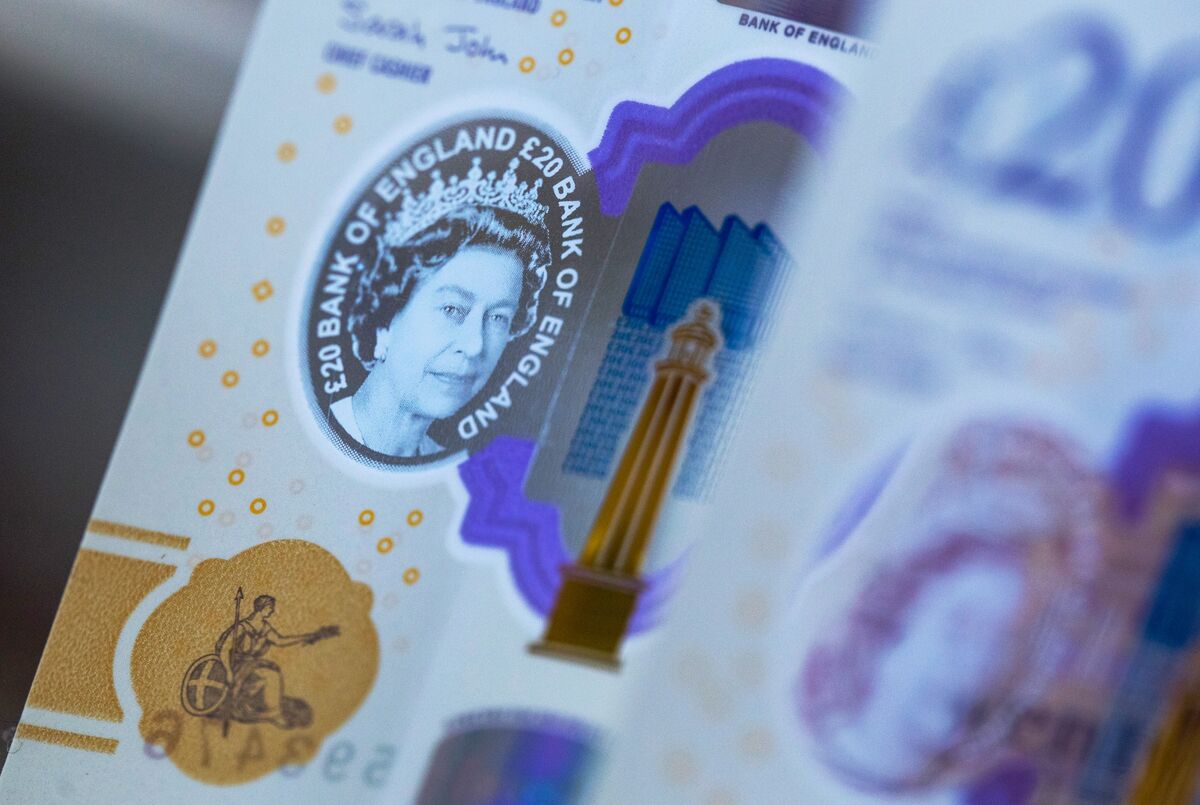
Goldman Sachs says sterling is now the most overvalued G10 currency, with Brexit estimated to have reduced the pound’s fair value by about 6%. The bank argues sterling has overshot fundamentals after a strong real-term recovery, implying continued downside pressure on the currency. The note is bearish for GBP and relevant for FX positioning, though it is analyst commentary rather than a market-moving policy event.
The key second-order effect is that an overvalued sterling acts like an endogenous tightening for the UK economy: it suppresses imported inflation less than a weak currency would, but it also erodes export competitiveness and translation earnings for FTSE multinationals. That means the market can simultaneously bid up domestic-risk assets on lower inflation expectations while quietly setting up a revenue headwind for firms with heavy UK export exposure and overseas earners that report in GBP.
The bigger catalyst set is policy, not valuation. If sterling is now rich versus fundamentals, the next leg is likely to be driven by growth differentials and rates rather than a slow mean reversion; any data surprise that forces the BOE to stay tighter for longer could sustain the currency near-term, but softer UK activity or rising fiscal/political noise would expose the overvaluation quickly. In that sense, the risk/reward is better expressed through downside convexity over 1-3 months than through a naked spot short.
The consensus miss is that an expensive currency is not automatically a clean short when positioning is already crowded and UK assets are under-owned. A break lower may come from a broader USD bid or risk-off shock rather than UK-specific weakness, which argues for pairing sterling shorts against higher-beta or more cyclical funding currencies rather than chasing an outright bearish GBP view. For equities, the trade is less about the index level and more about relative factor exposure: domestic UK cyclicals and exporters should underperform quality multinationals with natural FX hedges if sterling rolls over.
For Goldman specifically, the read-through is limited but positive: as a macro strategist call, it can support client activity and hedge demand, but the direct earnings impact is small versus the potential reputational upside from a timely FX call. The market will care more about whether this is the start of a broader FX regime shift than the single fair-value estimate itself.
AI-powered research, real-time alerts, and portfolio analytics for institutional investors.
Request DemoOverall Sentiment
moderately negative
Sentiment Score
-0.35
Ticker Sentiment
