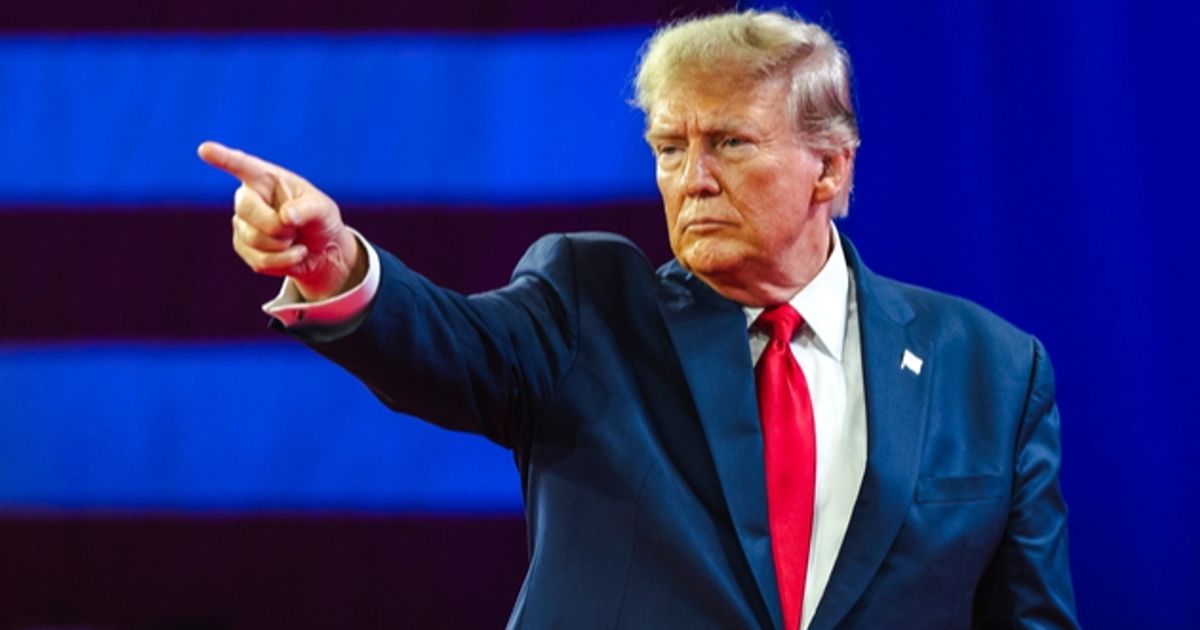
US stocks opened sharply lower Friday after President Trump threatened new tariffs on EU goods and suggested a 25% import tax on Apple if it doesn't manufacture iPhones domestically, sending the Nasdaq down 1.4% and Apple shares down 3.6% pre-market. The Dow Jones Industrial Average fell 380 points, or 0.9%, and the S&P 500 slid 1.1% amid the renewed trade tensions; investors fled to safety, driving down bond yields and boosting gold and the dollar as deVere Group CEO Nigel Green warned of recession risks and damage to US credibility.
US equity markets experienced a significant downturn in early trading on Friday, May 23, 2025, driven by renewed trade tensions following President Trump's threats of substantial tariffs. The Nasdaq Composite led the decline, falling 1.4%, with technology stocks particularly affected; Apple Inc. (AAPL) shares dropped 3.6% pre-market after Trump proposed a 25% import tax on iPhones not manufactured domestically. The Dow Jones Industrial Average shed 380 points (0.9%), and the S&P 500 slid 1.1%. These declines were mirrored by European markets, with Frankfurt's DAX falling 1.6% on threats of a 50% tariff on EU goods. Investor sentiment shifted sharply towards risk-off, evidenced by a 12 basis point drop in the 10-year Treasury yield to 4.10%, a spike in gold prices (up 1% to $3,327.08), and a stronger dollar. Analysts, such as deVere Group's Nigel Green, characterized the tariff threats as a 'destabilizing threat,' increasing recession risks and potentially damaging US credibility. This market reaction occurred against a backdrop of existing unease regarding US fiscal policy, with the recent passage of a tax and spending bill by a narrow margin raising concerns among bond investors about rising US debt and the potential for higher future yields. Notably, small-cap stocks, represented by the Russell 2000, remained relatively stable, trading virtually flat amidst the broader selloff.
AI-powered research, real-time alerts, and portfolio analytics for institutional investors.
Overall Sentiment
Negative
Sentiment Score
-0.75
Ticker Sentiment
