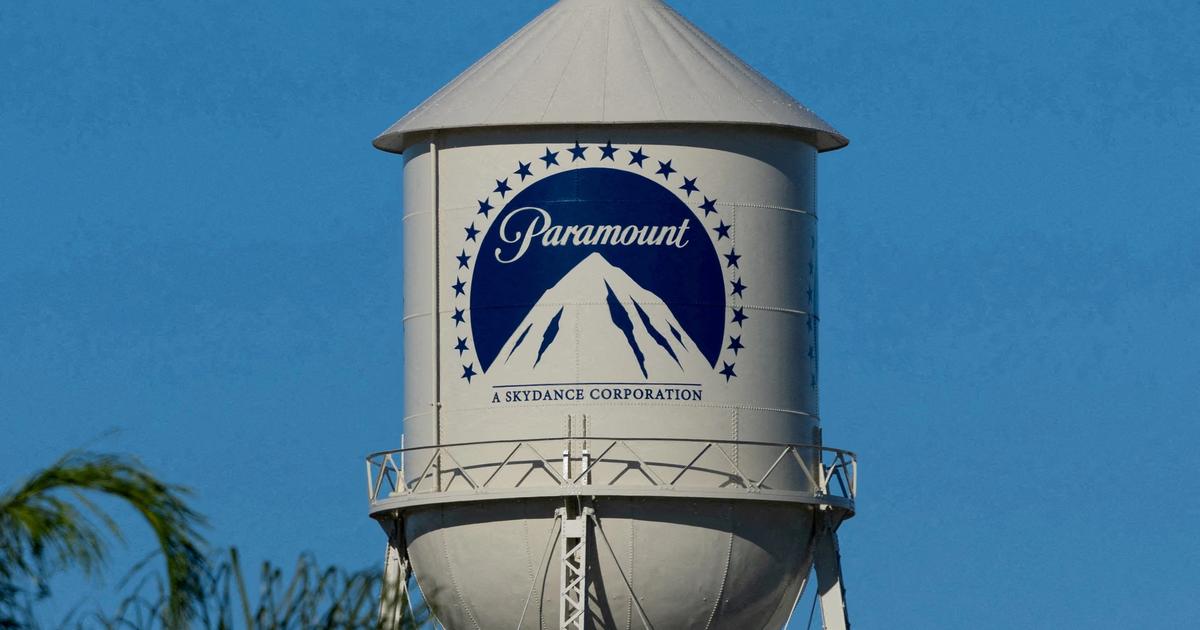
US antitrust regulators appear ready to approve Paramount’s $110 billion takeover of Warner Bros. Discovery after a two-hour DOJ meeting, though talks are still ongoing and the analysis could change. The key issue is whether the combined company would reduce theatrical movie releases, a concern raised by Hollywood talent and California AG Rob Bonta, with Paramount arguing it would keep theaters central and target 30 annual releases. The deal is material for media consolidation and could still face state-level legal challenge.
The market’s first-order read is that approval odds are improving, but the more important shift is that DOJ staff appear to be evaluating the deal through a conduct-remedy lens rather than a structural-block lens. That matters because if the transaction clears with only behavioral commitments, the equity reaction should be asymmetric: the buyer can de-risk a binary overhang while the target retains takeover optionality, but the path to value creation becomes much more execution-dependent and less rerating-friendly than a clean approval.
The key second-order issue is that theatrical release promises are not economically neutral. If management genuinely leans into a larger theatrical slate, the merged company likely sacrifices some streaming-margin optimization in exchange for preserving franchise value, talent relationships, and distribution leverage. That creates a subtle competitive advantage for legacy studios with stronger theatrical pipelines and better IP monetization discipline, while pure streaming players face a tougher pricing environment if one more large catalog holder keeps premium content behind the box office longer.
The biggest risk is timeline, not headline. DOJ staff comfort does not eliminate state-level litigation risk, and California’s posture can stretch uncertainty for months even if the federal hurdle fades. Separately, if broader equity markets begin to price in a pro-merger regulatory regime, the trade can get crowded quickly; any sign of a tougher remedy package, talent revolt, or theater-exhibition pushback would reverse the move fast because this story is still being priced as a probabilistic approval, not a done deal.
From a contrarian standpoint, the consensus may be underestimating how little upside is left in the acquirer if approval is the only catalyst. The real mispricing could be in the collateral winners and losers: exhibitors and content-adjacent suppliers may see a modest relief bid if studios preserve theatrical windows, while Disney’s streaming-heavy distribution model becomes the cleanest relative loser if rivals are forced to defend theaters and slow direct-to-consumer migration.
AI-powered research, real-time alerts, and portfolio analytics for institutional investors.
Request DemoOverall Sentiment
neutral
Sentiment Score
0.10
Ticker Sentiment
