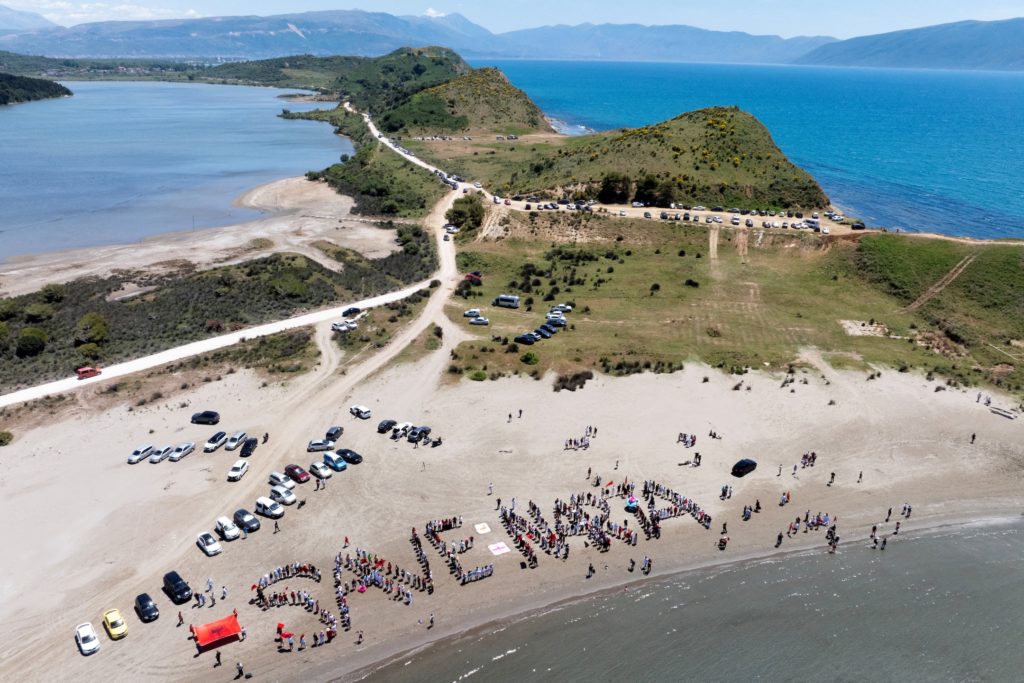
A Kushner-Trump-backed luxury resort proposal on Albania’s Sazan Island has sparked major protests, with critics saying the project lacks transparency and may violate protections on public conservation land. The dispute has intensified political backlash in Albania and raised concerns about environmental damage and governance, but it is unlikely to have broad market implications. The project remains under development amid public opposition.
The investable signal here is not the island itself but the governance premium/risk embedded in Albania’s real-asset pipeline. When a politically connected sponsor tries to force a marquee tourism project through a low-transparency process, the near-term winner is the domestic status quo: incumbent landholders, local operators, and any competing hospitality assets that can absorb diverted demand while this project remains delayed. The losers are the would-be developers if permitting drags into months, because carrying costs on coastal land and pre-development spend rise quickly while political opposition hardens into a licensing overhang.
The second-order effect is broader than one resort: this kind of controversy raises the discount rate on Albanian greenfield leisure and beachfront development, especially for foreign capital that depends on stable local legitimacy. Even if the project eventually proceeds, the path likely includes concessions, design changes, and compliance scrutiny that reduce the economics versus the original underwriting. That creates a medium-term repricing opportunity in any local asset tied to regulatory discretion: the market typically underestimates how a single high-profile dispute can slow approvals across an entire jurisdiction for 12-24 months.
A key contrarian point is that headline anger does not automatically kill the project; in frontier markets, political noise often leads to a more expensive, not impossible, outcome. The bigger risk is reputational contagion for U.S.-linked sponsors, which can invite NGO pressure, legal challenges, and tighter environmental review. If local elections or coalition shifts accelerate, the probability of delay rises sharply; if the government formalizes the paperwork and demonstrates land-title clarity, the trade reverses quickly because scarcity value for Adriatic beachfront remains intact.
AI-powered research, real-time alerts, and portfolio analytics for institutional investors.
Request DemoOverall Sentiment
mildly negative
Sentiment Score
-0.25
