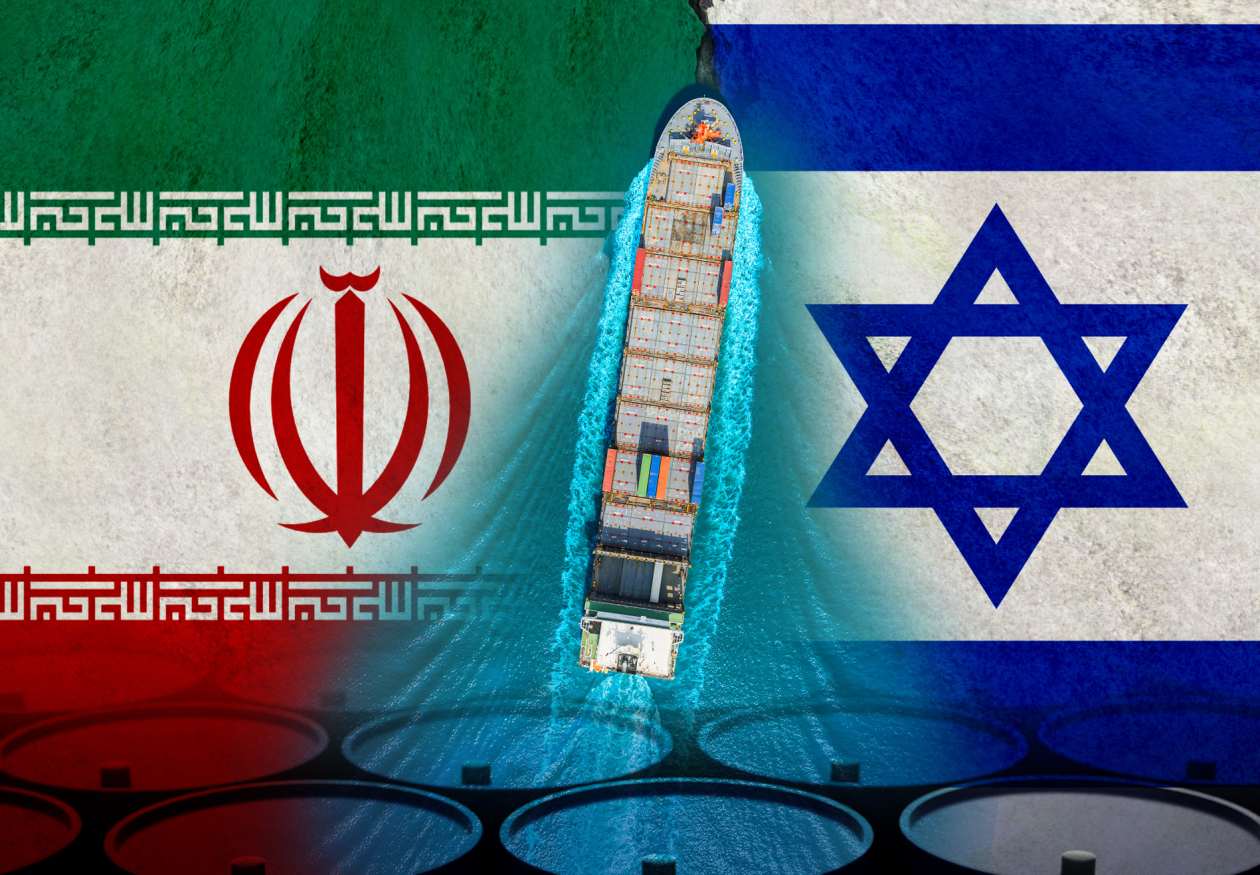
The CBOE Crude-oil ETF Volatility Index (OVX) surged 26% to a three-year high of $71.56 amid escalating tensions between Israel and Iran, signaling heightened market unease about potential regional instability and supply disruptions. WTI crude oil rose 4.3% to $74.84 a barrel, while Brent crude climbed 4.4% to $76.45, reflecting concerns over the Strait of Hormuz, a critical oil chokepoint, and Iran's oil exports of approximately 1.5 million barrels per day; analysts suggest further upside risk remains if the conflict escalates into broader regional infrastructure damage.
The CBOE Crude-oil ETF Volatility Index (OVX) has surged to a three-year high, closing at $71.56 following a 26% daily increase and a 104% ascent over five trading days, signaling acute market apprehension regarding the escalating Israel-Iran conflict and its potential to trigger broader regional instability and disrupt oil supplies. This pronounced increase in expected 30-day volatility, derived from options on the United States Oil Fund (USO), markedly surpasses market reactions to other recent geopolitical shocks, underscoring the perceived severity of the current situation. Concurrently, West Texas Intermediate crude for July delivery rose 4.3% to $74.84 per barrel, its highest front-month finish since January, while August Brent crude climbed 4.4% to $76.45 per barrel, its highest since February. The volatility stems from concerns over potential disruptions to global oil supplies, particularly Iran's approximately 1.5 million barrels per day export capacity and the critical flow of around 20 million barrels per day through the Strait of Hormuz. Market positioning data indicates that Nymex crude oil managed money net long positions are below the five-year average, suggesting potential for further speculative buying, even as a significant drop in WTI open interest from 144,493 to approximately 81,660 contracts indicates substantial short covering. The outlook remains highly dependent on the conflict's trajectory: a geographically contained situation might see some of the risk premium already priced in, but an escalation involving direct attacks on energy infrastructure could introduce considerable further upside risk for oil prices, although spare production capacity from nations like Saudi Arabia and the UAE could offer a partial buffer.
AI-powered research, real-time alerts, and portfolio analytics for institutional investors.
Request DemoOverall Sentiment
strongly negative
Sentiment Score
-0.60
Ticker Sentiment
