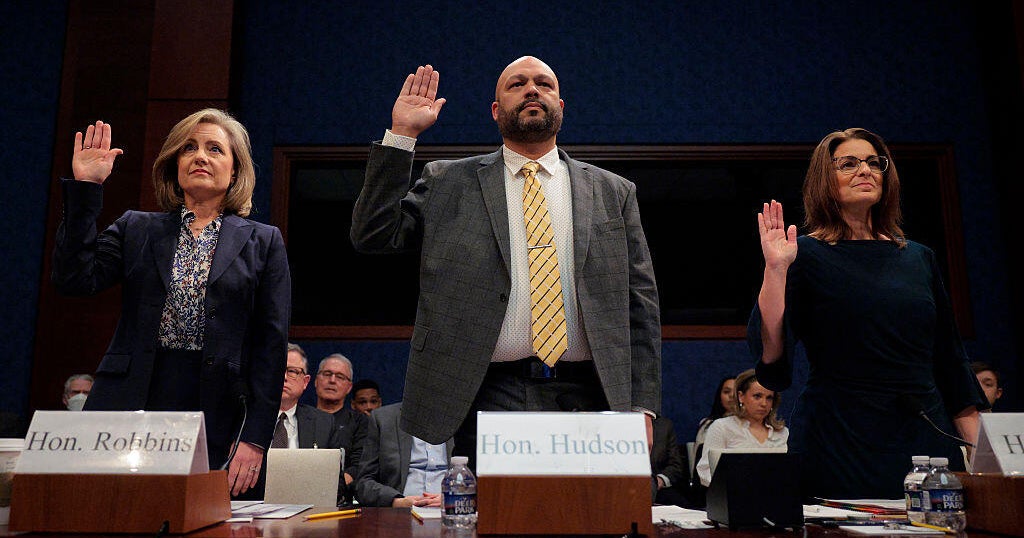
A House Oversight Committee hearing spotlighted widespread fraud in Minnesota social service programs, with GOP state lawmakers accusing Gov. Tim Walz and other officials of ignoring systemic theft of taxpayer-funded programs and threatening subpoenas for Walz and Attorney General Keith Ellison. Federal prosecutors say some programs — including child nutrition, autism therapy and housing stabilization — were hit in “industrial-scale” pandemic-era schemes (roughly $250 million alleged in the school-meal fraud), with 92 people charged and 62 convicted so far; investigators are also probing alleged transfers to al Shabaab, and the scandal has triggered state funding freezes and political fallout including Walz ending his reelection bid.
Market structure: The immediate winners are fraud-detection, identity-data and analytics vendors that sell to state agencies and large payors (expect 10–20% incremental compliance budgets statewide over 12–24 months). Losers are small Medicaid-dependent operators, specialty day‑care/sober‑home chains and Minnesota‑centric municipal issuers facing funding freezes and clawbacks; pricing power shifts toward large, audited providers and third‑party administrators.
Risk assessment: Tail risks include expanded federal funding freezes to additional Democratic-led states or systemic clawbacks >$1bn that trigger bankruptcies among specialty Medicaid vendors (low probability, high impact over 3–12 months). Immediate (days) risk is headline volatility and muni spread widening; short‑term (weeks–months) brings subpoenas and Treasury reports; long‑term (quarters–years) is permanent tightening of reimbursement policy and higher compliance spend.
Trade implications: Favor long positions in infrastructure/compliance tech (identity/data analytics) and underweight/sell small Medicaid-reliant healthcare operators and Minnesota-focused munis. Expect muni spreads for MN to widen by 25–75bp near-term; hedge muni duration and target 3–12 month options on select names to capture volatility. Use pair trades to express secular winners versus vulnerable operators.
Contrarian angles: Markets may over-penalize broad Minnesota exposure; selective long in large, diversified healthcare insurers (capacity to negotiate and lower clawback risk) could pay off in 6–18 months. Conversely, aggressive clawbacks could thin supply of services, increasing pricing for compliant providers and raising long‑term margins for high‑quality operators and analytics vendors.
AI-powered research, real-time alerts, and portfolio analytics for institutional investors.
Request DemoOverall Sentiment
moderately negative
Sentiment Score
-0.50
