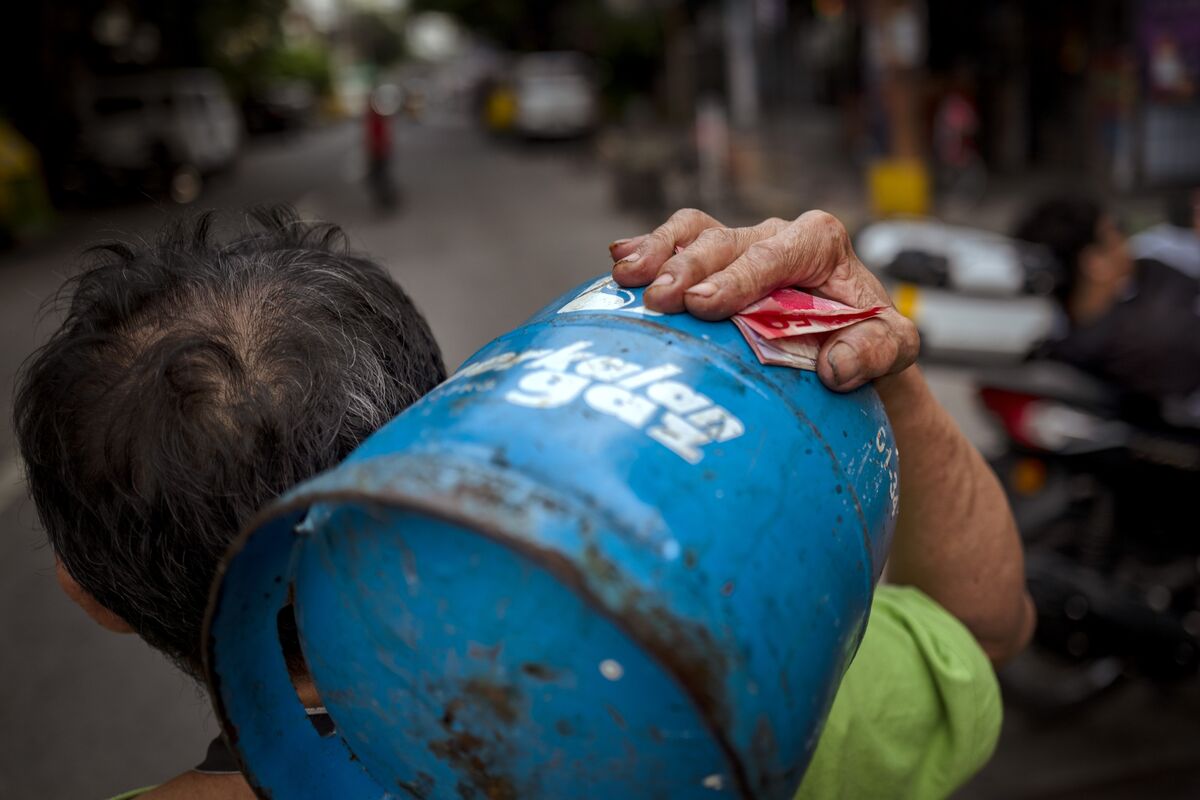
The Philippines is removing excise taxes on kerosene and LPG to help curb food inflation, while also planning lower tariffs on farm imports and lower transport costs for food products. President Marcos said the government has discussed price stability with producers through end-April. The measures are supportive for near-term inflation and consumer purchasing power, though the direct market impact is likely limited outside domestic food and transport-sensitive sectors.
The near-term winner is not the consumer in aggregate but the most price-sensitive food distribution and packaged staples names: this is a margin-protection move that reduces the probability of forced discounting and inventory destocking into the next 1-2 reporting cycles. For energy-linked transport and cooking fuel, the direct fiscal relief is modest, but the second-order effect is more important: by suppressing headline inflation, policymakers buy themselves room to keep import tariffs and logistics interventions in place longer, which can delay the usual pass-through to upstream cost pressures. The bigger market implication is that this is a signal of policy willingness to tolerate lower tax intake to defend real incomes. That is supportive for domestic demand proxies over the next quarter, but it also raises medium-term sovereign arithmetic risk: if subsidy-like measures spread, the market may start pricing a higher probability of wider fiscal slippage or later compensating tax action. In emerging markets, that often shows up first in FX and local rates rather than equities, so the trade is less about the headline consumer relief and more about whether the central bank can stay dovish without importing currency weakness. Contrarian view: the move may be too small and too temporary to materially change food inflation trajectories if import prices, freight, or weather shocks dominate. If price stability is only being negotiated through end-April, the market could fade the announcement once it sees no sustained improvement in basket inflation, especially if retailers simply widen margins rather than pass through lower input costs. That creates a two-stage setup: relief rally now, then re-rating of fiscal credibility and execution risk if the policy mix does not translate into lower month-over-month food prints within 4-8 weeks.
AI-powered research, real-time alerts, and portfolio analytics for institutional investors.
Overall Sentiment
mildly positive
Sentiment Score
0.15
Ticker Sentiment
