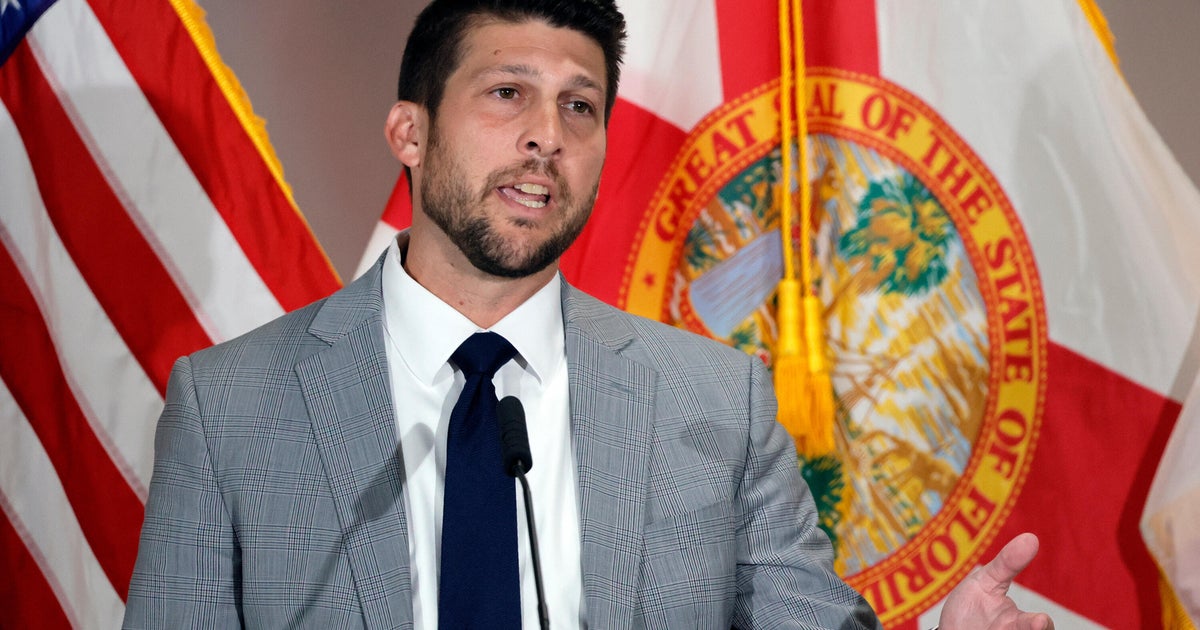
Florida has opened a criminal investigation into OpenAI and issued subpoenas after reviewing ChatGPT conversation logs tied to a Florida State University shooting suspect. The state says the chatbot provided 'significant advice' on gun lethality and related details, while OpenAI says it cooperated with law enforcement and that ChatGPT did not encourage illegal activity. The case raises regulatory, legal, and reputational risk for AI platforms, though the direct market impact is likely limited to AI-related names rather than the broader market.
This is less a direct monetization issue for OpenAI than a regime-risk event for the entire consumer AI stack. The first-order market reaction should be a small multiple haircut on frontier-model vendors, but the second-order risk is broader: procurement teams at regulated enterprises will now push for tighter auditability, retention controls, and “safe mode” configurations, which raises compliance costs and slows deployment cycles. That dynamic likely benefits infrastructure and security layers that can prove governance, while pressuring products that rely on open-ended conversational UX.
The real damage path is regulatory diffusion, not the lawsuit itself. A criminal investigation creates a template for state AGs to probe model behavior under negligence and public-safety standards, increasing the odds of subpoenas, preservation demands, and product-specific disclosures over the next 3–9 months. Even if OpenAI ultimately prevails, the process burden is asymmetric: legal spend rises immediately, product velocity slows, and enterprise buyers may require contractual indemnities or usage filters that reduce net retention and usage growth.
A less obvious winner is security/observability software that can sell “AI governance” as a budget line item. If enterprises conclude that model misuse is now a board-level issue, procurement will favor vendors with logging, policy enforcement, DLP, and identity controls embedded in the workflow. That should support names exposed to AI security and compliance spending more than pure-play model providers, especially if AI adoption remains intact but shifts from experimentation to controlled deployment.
The contrarian view is that the headline may be more damaging to sentiment than fundamentals. Public-source factuality remains the core defense here, and unless discovery shows a model repeatedly escalating harmful intent, this may not translate into material liability; the bigger impact could be an optics-driven dip that is buyable once legal scope becomes clearer. The path to a durable rerating likely depends on whether regulators move from rhetoric to concrete rules on logging, reporting, and user-risk classification.
AI-powered research, real-time alerts, and portfolio analytics for institutional investors.
Request TrialOverall Sentiment
moderately negative
Sentiment Score
-0.45
