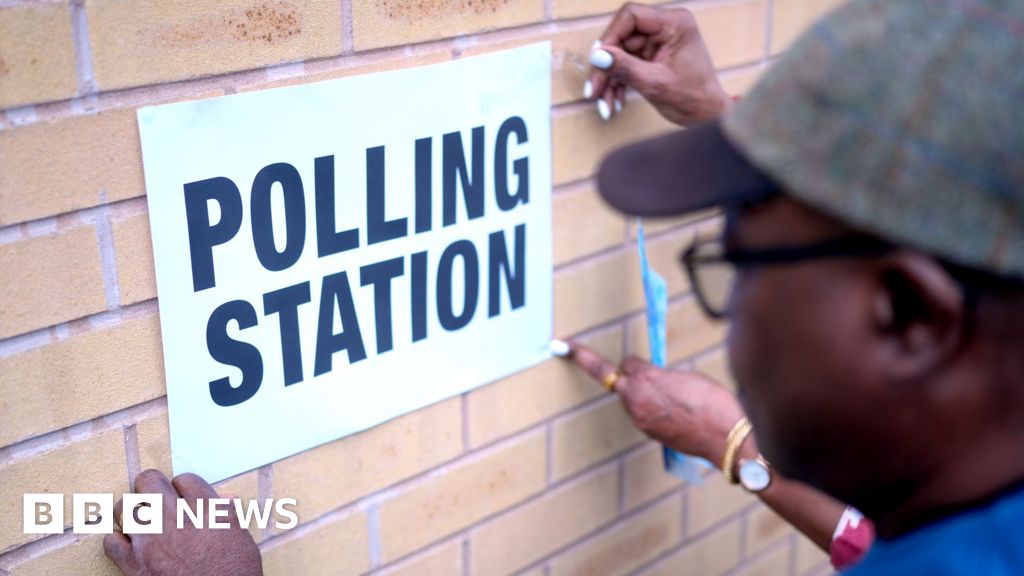
British voters go to the polls on Thursday 7 May in elections across England, Scotland and Wales, with results expected Friday and over the weekend. The article highlights potential shifts in control of local councils, the Scottish Parliament, and the Welsh Senedd, plus implications for Labour, the SNP, Reform UK, Conservatives, Liberal Democrats and Plaid Cymru. Market impact is limited and mostly indirect, though the outcome could influence expectations for UK tax, spending, public services and broader political risk.
The market implication is less about the election outcomes themselves and more about the policy dispersion they create. A fragmented result across England, Scotland and Wales increases the odds of a muddled fiscal message: more local spending promises, less national policy coherence, and higher pressure on whichever party needs to stitch together a narrative after the vote. That is typically mildly negative for UK domestic cyclicals because it delays capital allocation decisions and keeps households in a wait-and-see mode on local tax, transport and service funding.
The biggest second-order beneficiary is not a single party but the volatility premium around UK politics. If Reform posts outsized gains, it raises the probability of Labour triangulating toward tougher rhetoric on immigration, planning, and welfare, but not necessarily pro-growth reform; that mix can be bad for small-cap UK domestic earners because it lifts political noise without improving execution. If Conservatives underperform, the opposition reset becomes slower, which paradoxically reduces near-term policy competition and may help incumbency but worsens governance drift.
From a sector lens, the most sensitive names are UK homebuilders, regional banks, and domestic retailers tied to consumer confidence and local housing turnover. A bad result for Labour in English councils is not an immediate macro shock, but it can tighten the feedback loop between national polling and consumer sentiment over the next 4-12 weeks, especially if headlines frame it as a referendum on the government. The market risk is a snap repricing of UK political risk premium into sterling and small caps if results are interpreted as a proxy for an eventual leadership challenge.
The contrarian view is that consensus may be overestimating the durability of a single anti-incumbent trade. Fragmentation can actually reduce the odds of a clean policy lurch in either direction, which should cap the downside in large-cap UK multinationals with overseas revenues and make domestic beta the cleaner short than the broader UK market. In other words, the real trade is dispersion, not direction.
AI-powered research, real-time alerts, and portfolio analytics for institutional investors.
Request DemoOverall Sentiment
neutral
Sentiment Score
0.00
