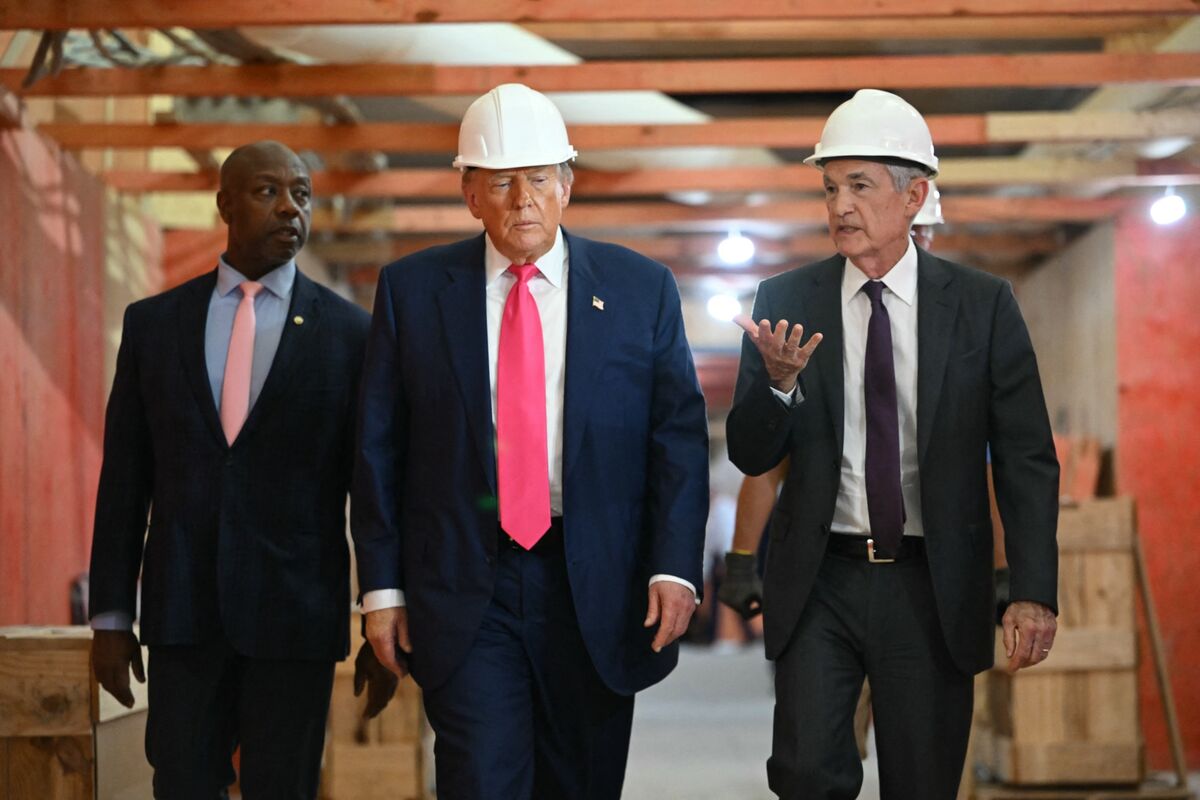
The DOJ has dropped its inquiry into the Federal Reserve’s building-renovation cost overruns, removing a source of political pressure on Chair Jerome Powell. The article argues this clears the way for Powell to depart and for Kevin Warsh to take over as Fed chair, with the key implication being reduced confrontation risk around interest-rate policy. The issue is politically charged and Fed-related, so it could influence market expectations for policy independence and rates.
The immediate market takeaway is not about the personnel change itself, but about removing a source of institutional stress premium embedded in rates. If the Fed’s next chair is perceived as more politically pliable, the front end should price a slightly higher probability of earlier easing or steeper cuts, but only after the market sees whether Powell’s departure is orderly or becomes a signaling event for broader Fed turnover. The first-order beneficiaries are duration assets; the second-order winners are the most rate-sensitive balance-sheet stories that have been held back by a persistently high real-rate regime.
The bigger underappreciated effect is on term premium and USD policy risk. Even without any immediate policy change, a cleaner succession path can compress volatility in 2Y/5Y yields, which matters more for equities than the absolute level of the policy rate. A Powell exit also reduces the odds of a messy credibility fight that would push inflation breakevens higher and steepen curves for the wrong reasons; that tail risk is what could hurt long-duration tech, small caps, and housing if the market starts to price institutional erosion rather than easier policy.
For investors, the setup argues for expressing a modestly bullish rates-dovish view with limited downside, not chasing a full-blown reflation trade. The key is timing: the next 1-4 weeks are about headline risk and Fed-succession speculation; the next 2-4 months are about whether incoming commentary confirms a lower terminal-rate path. If the market overprices an immediate policy pivot, the reversal risk is a sharp bear-steepener in yields and a fade in the most rate-extended equities.
The contrarian view is that the market may be underestimating how much institutional independence still constrains any new chair. Even a more politically aligned successor would need to defend credibility with inflation still sticky, meaning the path to easier policy could be slower than the knee-jerk reaction implies. That makes short-dated enthusiasm vulnerable: the trade is likely better in curve shape and duration than in outright beta chasing.
AI-powered research, real-time alerts, and portfolio analytics for institutional investors.
Request DemoOverall Sentiment
mildly positive
Sentiment Score
0.15
