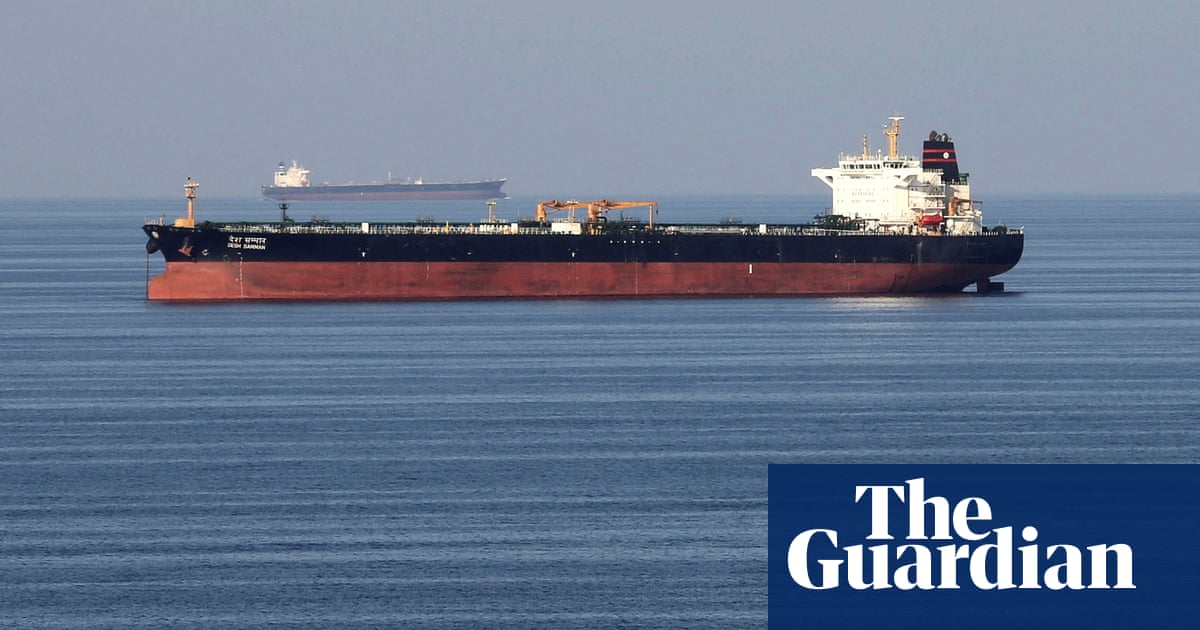
President Trump’s decision to bomb three Iranian nuclear sites has significantly escalated Middle East tensions, raising concerns among investors about potential Iranian retaliation, specifically the closure of the Strait of Hormuz. This vital chokepoint, through which over a fifth of the world's oil supply (approximately 20 million barrels daily) and significant LNG passes, is critical for global energy markets. A closure would trigger a sharp oil price spike and immediate global inflationary pressures, though analysts note it would also constitute economic self-harm for Iran and severely impact key partners like China. While Iran's parliament has approved a measure to close the strait, the ultimate decision rests with top leaders, creating significant uncertainty regarding global energy supply and geopolitical stability.
The recent US military action against three Iranian nuclear sites has critically escalated geopolitical tensions in the Middle East, introducing a high-impact risk event for global markets. The primary concern is potential Iranian retaliation through a closure of the Strait of Hormuz, a chokepoint for over 20 million barrels of oil per day, which constitutes more than a fifth of the world's daily supply. Such an action would trigger a severe oil price spike, creating a near-immediate inflationary shock to the global economy. However, this move presents a significant dilemma for Iran, as it would amount to 'economic suicide' by halting its own oil exports, 90% of which are purchased by China, and risks escalating the conflict by drawing in Gulf Arab states to protect their economic interests. While the Iranian parliament has approved a measure to close the strait, the ultimate decision rests with the country's supreme leadership, creating profound uncertainty. Early market reactions are already visible, with reports of supertankers altering course, indicating that operators are not waiting for a final decision to de-risk.
AI-powered research, real-time alerts, and portfolio analytics for institutional investors.
Overall Sentiment
strongly negative
Sentiment Score
-0.80
