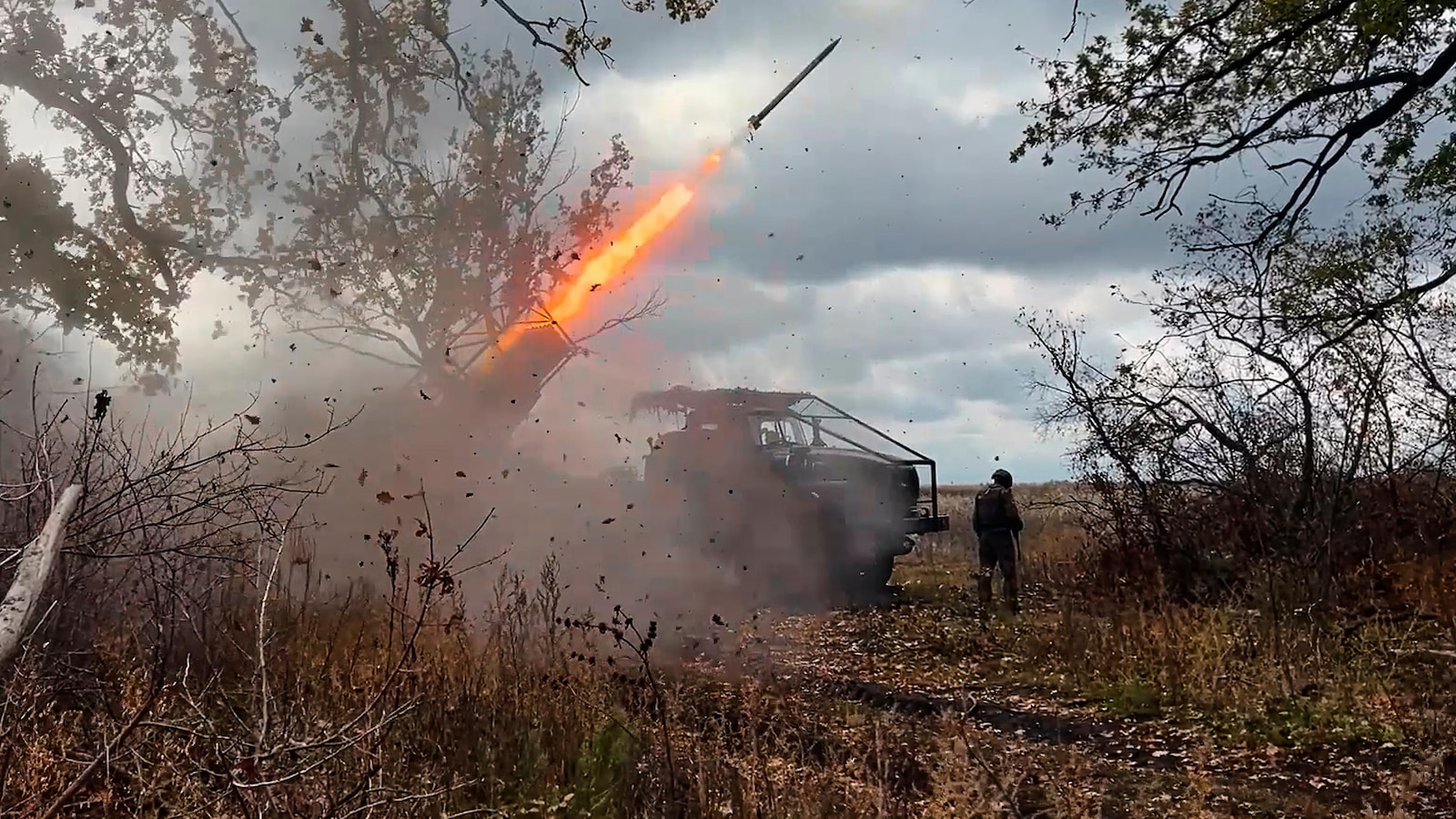
Russian forces have intensified attacks on Ukraine's energy infrastructure, resulting in two fatalities in Odesa and leaving nearly 60,000 without power in the Zaporizhzhia region, alongside widespread rolling blackouts. These strikes, part of a sustained campaign targeting specific regions and gas infrastructure with advanced drone technology, are severely disrupting critical services as winter approaches. This ongoing degradation of Ukrainian infrastructure poses significant humanitarian and economic challenges, contributing to regional instability and impacting energy market outlooks.
Russian forces have intensified their campaign against Ukraine's energy infrastructure, resulting in significant human and material impact. Recent drone attacks in the Odesa region killed two and wounded three, while strikes in the Zaporizhzhia region left nearly 60,000 residents without power and wounded two others. These incidents contribute to widespread rolling power cuts across Ukraine, severely disrupting critical services like water, sewage, and heating as winter approaches.
This sustained campaign reflects a tactical shift by Moscow, now targeting specific regions and gas infrastructure with improved drone technology, some equipped with cameras for better targeting. These advanced attacks are increasingly overwhelming air defenses, particularly in areas with weaker protection, aiming to erode Ukrainian morale and disrupt war-related activities.
The ongoing degradation of critical infrastructure poses significant humanitarian and economic challenges, contributing to regional instability. The strongly negative sentiment and pessimistic tone surrounding these events underscore the severe implications for Ukraine's operational capacity and the broader energy market outlook, as indicated by the market impact score of 0.6.
AI-powered research, real-time alerts, and portfolio analytics for institutional investors.
Request DemoOverall Sentiment
strongly negative
Sentiment Score
-0.85
