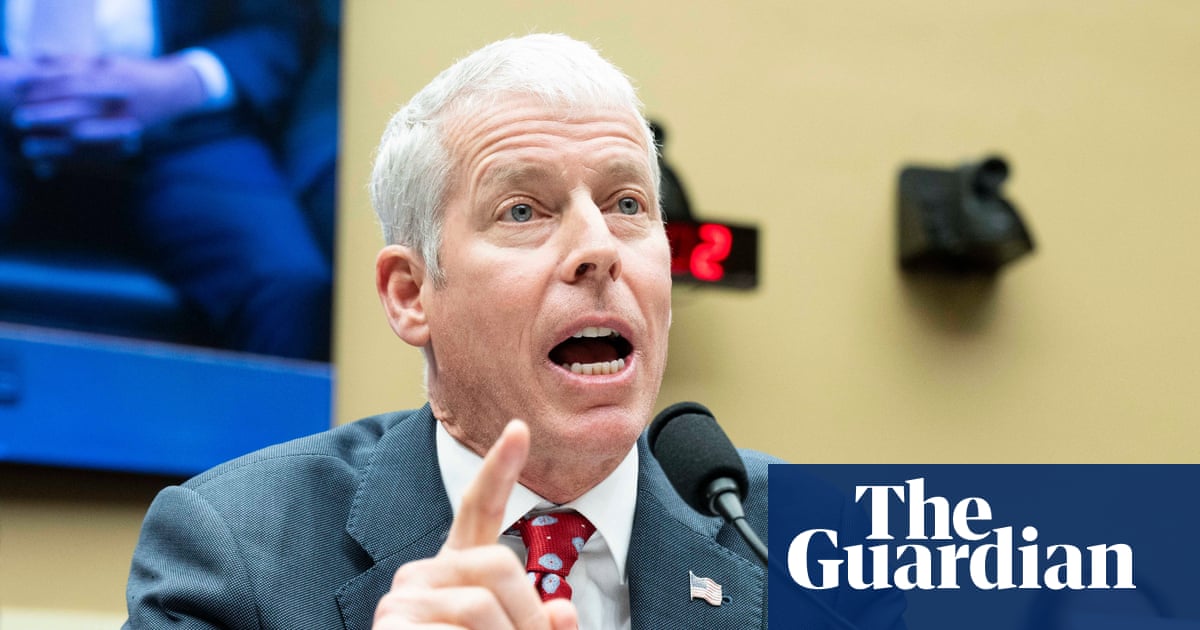
US gasoline prices rose from $2.98 a gallon before the Iran conflict to $3.98 in late March and stabilized above $4 in April, while Energy Secretary Chris Wright said prices may not return below $3 until 2027. He also said prices have likely peaked and should fall if the Iran war ends, but his comments were more cautious than earlier assertions that sub-$3 gas could return within weeks or by summer. The article links elevated fuel costs to broader inflation pressure and worsening public approval of Trump’s handling of Iran and the cost of living.
The market implication is not just higher pump prices; it is a renewed inflation impulse at the exact point where consumers were beginning to normalize post-shock spending. Gasoline is the most visible tax on discretionary demand, so a sustained move above the prior comfort zone should hit lower-income retail, quick-service spending, and regional travel first, with a lagged pass-through into broader services inflation. That creates a second-order risk for equities: margins get squeezed simultaneously by input costs and softer unit volumes, which is worse than a pure commodity shock.
The bigger setup is political convexity. If the administration has to concede that relief is delayed into next year, the issue shifts from temporary disruption to credibility loss, and that tends to keep energy policy headlines in the tape longer than the commodity move itself. In practice, that means elevated odds of reactive measures—SPR rhetoric, drilling-friendly permitting, or pressure on upstream capital allocation—which can cap the upside in producers while keeping volatility high in refined products and transport.
The contrarian point is that the market may be overpricing a straight-line pass-through from gasoline to consumer pain. If crude retraces but retail prices stay sticky, the spread compression benefits refiners, while the headline political pressure can still be intense enough to justify defensive positioning in consumer cyclicals. The key catalyst window is the next 2-8 weeks: if prices fail to break meaningfully lower by then, expectations will reset from 'temporary shock' to 'persistent inflation,' which is when rate-sensitive and consumer-exposed names usually underperform most sharply.
AI-powered research, real-time alerts, and portfolio analytics for institutional investors.
Request DemoOverall Sentiment
mildly negative
Sentiment Score
-0.25
