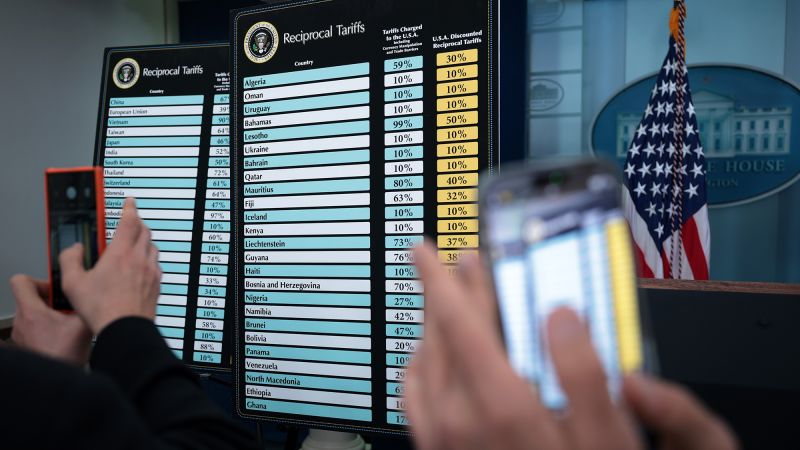
A federal appeals court is currently hearing arguments that could invalidate many of President Trump's tariffs imposed under the International Emergency Economic Powers Act (IEEPA). If the court rules against the administration, a wide range of tariffs, including the universal 10% duties and recent increases on Brazil, could be voided, potentially reshaping the U.S. trade strategy and casting uncertainty over trade agreements made under IEEPA. This legal challenge, however, does not affect tariffs imposed under other authorities like Section 232 or Section 301.
A significant portion of the current U.S. trade policy faces legal uncertainty as a federal appeals court reviews the President's authority to impose tariffs under the International Emergency Economic Powers Act (IEEPA). The outcome of this case directly threatens the legality of broad-based duties, including the 10% universal tariff applied to most U.S. imports since April, and targeted actions such as the recent increase on Brazilian exports to 50%. Critically, the legal status of trade agreements with partners like the European Union and Japan, which are also backed by IEEPA, could be jeopardized if the court rules against the administration, an outcome JPMorgan economists suggest could question the deals themselves. This legal challenge introduces a binary risk event for markets, with a decision potentially weeks or months away and subject to further appeal. However, it is important to note this litigation does not affect all U.S. tariffs; those imposed on national security grounds via Section 232, such as the 50% copper tariff, or for unfair trade practices under Section 301, remain insulated from this specific legal challenge.
AI-powered research, real-time alerts, and portfolio analytics for institutional investors.
Overall Sentiment
mildly negative
Sentiment Score
-0.30
Ticker Sentiment
