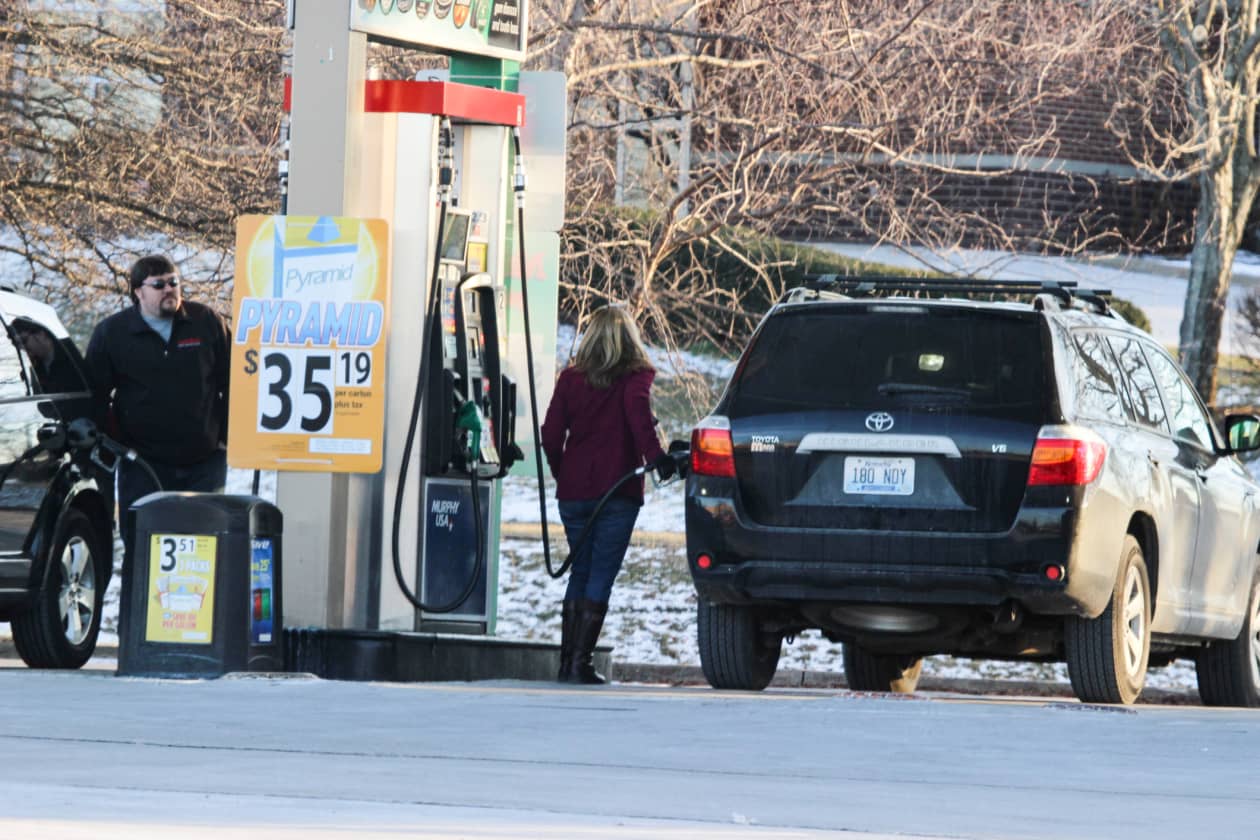
Inflation-adjusted U.S. gasoline prices for Thanksgiving are expected to be the lowest since the COVID‑19 pandemic, as affordability has improved over the past 12 months despite nominal pump prices being little changed year-over-year. The drop in inflation-adjusted fuel costs provides households some relief, but elevated overall inflation and Federal Reserve concerns leave consumer confidence and policy direction uncertain.
Market structure: Lower inflation-adjusted gasoline (expected lowest Thanksgiving level since pandemic) benefits consumer-facing, discretionary and travel sectors by freeing ~0.5–1.5% of household real spending power in the next 3–6 months, while capping pricing power for U.S. upstream E&P and refiners (pressure on gasoline crack spreads). Retailers with high travel/leisure exposure (airlines, autos, restaurants) are relative winners; pure-play refiners (VLO, PSX) and regional midstream players face margin compression if crude stays sub-$85/barrel.
Supply/demand & cross-asset: The signal is ample refined-product supply or subdued demand growth — watch weekly EIA gasoline inventories and implied U.S. refinery utilization; persistent builds would pressure WTI and Brent by 5–10% over 1–3 months. Lower gasoline contribution to CPI increases probability of a >10bps decline in 2Y Treasury yields within 4–8 weeks and incremental USD softness; commodities correlation to equities may weaken if demand remains tepid.
Risk assessment & catalysts: Tail risks include OPEC+ cuts, major refinery outages, or an unusually cold winter driving heating demand (each could lift gasoline/WTI >15% in 30–90 days). Key catalysts that would reverse the trend: two consecutive monthly CPI prints >0.3% (core) or WTI >$85 for five trading days. Hidden dependency: improved real gasoline doesn’t guarantee higher discretionary spend if wage growth or credit conditions deteriorate.
Contrarian angles: Consensus assumes stable downward pressure on energy prices — but underpriced upside exists if inventory draws accelerate or geopolitics flare; refiners could outperform if cracks re-open by >$5/bbl. Historical parallels: 2014–16 oversupply episodes saw producers derate while downstream margins cyclically rebound; a nimble long refined-product exposure on a >$5 crack rebound is asymmetric relative to owning producers.
AI-powered research, real-time alerts, and portfolio analytics for institutional investors.
Request DemoOverall Sentiment
mildly positive
Sentiment Score
0.23
