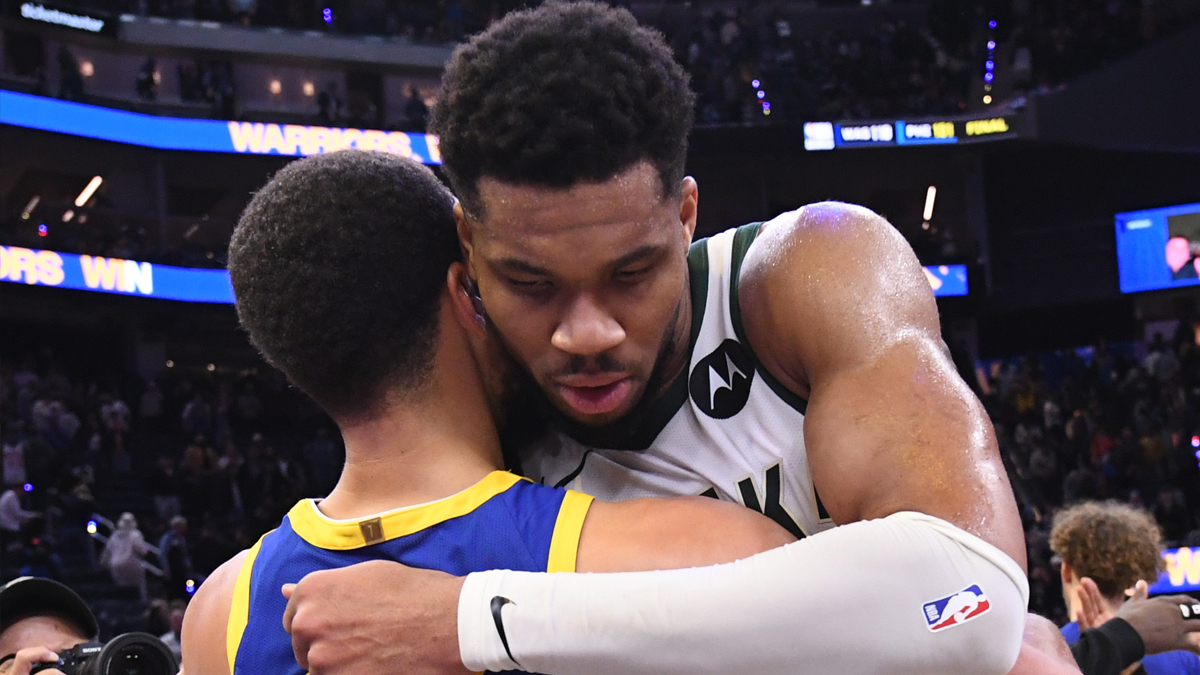
The article says Milwaukee is effectively making Giannis Antetokounmpo available, but the Warriors likely lack the young talent and draft capital to outbid rival suitors. Giannis is still viewed as a top-five NBA player, yet his age (31) and recent injury history add execution risk to any trade pursuit. The piece is largely speculative and signals interest-level rather than an imminent transaction.
This reads less like a basketball rumor and more like a balance-sheet signaling event: Milwaukee is advertising optionality, but the market-clearing price for a top-five player is now a package that degrades the bidding team’s medium-term equity. For Golden State, the key issue is not whether Giannis improves the title odds marginally; it is whether a 31-year-old high-usage star whose availability has been volatile can be integrated without turning an already thin roster into a one-star, one-window asset with no second act.
The second-order dynamic is that the Warriors’ best non-asset may be scarcity itself. If they miss on Giannis, they preserve whatever flexibility remains around Curry’s final competitive years; if they force a bid, they risk paying peak price into a depreciating roster context. That asymmetry matters because teams with cleaner young-player/draft stacks can outbid them without needing to overpay in veterans, which means Golden State’s rational strategy may be to stay disciplined and let someone else win the auction.
The contrarian angle is that the market may be overpricing the inevitability of a Giannis trade. Front offices often leak availability to improve leverage, and the real catalyst is not chatter but a credible bid that satisfies both Milwaukee’s need for future value and its need to sell an exit narrative to fans. If no contender is willing to include both blue-chip youth and multiple premium picks, the process can stall for months, not days, and the best outcome for the Warriors may simply be to avoid a costly distraction.
From a portfolio perspective, the setup is more bullish for rumor-driven volatility than for a definitive transaction. The highest-probability path is continued bid escalation headlines with no immediate trade, followed by a re-pricing if the Bucks fail to get a clean home-run offer before the deadline clock becomes binding.
AI-powered research, real-time alerts, and portfolio analytics for institutional investors.
Request DemoOverall Sentiment
neutral
Sentiment Score
0.05
