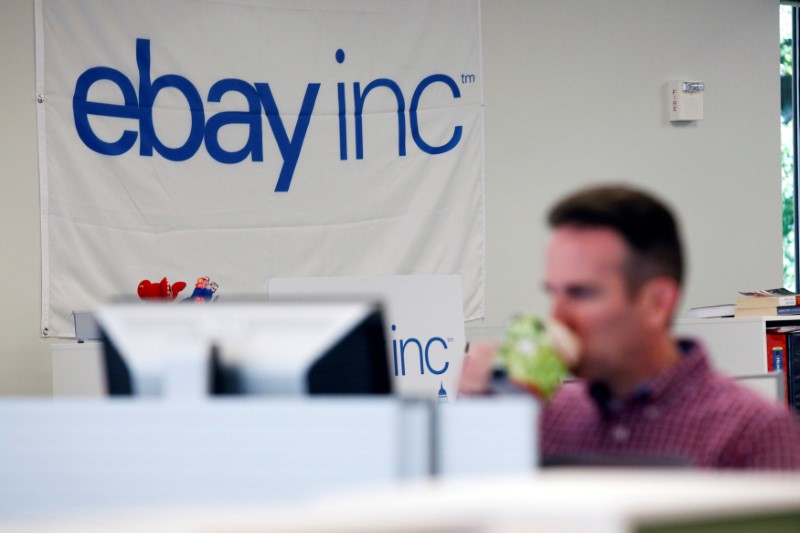
BMO Capital reiterated an Outperform rating on eBay with a $130 price target, implying upside from the current $114.04 share price. The firm cited improving marketplace fundamentals, AI-enabled product innovation, and structurally stronger focus categories, with strategic priorities now representing about 70% of GMV and growing at double digits. The article also notes ongoing takeover speculation after GameStop's rejected $56 billion proposal, but the main takeaway is continued analyst optimism on eBay's operating trajectory.
EBAY is increasingly behaving like a quality compounder rather than a low-growth legacy marketplace, and that matters because the market has historically underwritten it as a slow-melting asset. The key second-order effect is that improving take rates and category mix can expand earnings power faster than GMV growth alone would suggest, which means upward estimate revisions may still lag the actual inflection in free cash flow. If that persists for another 2-3 quarters, the multiple can rerate even without heroic top-line acceleration.
The competitive dynamic is less about head-to-head share capture from AMZN and more about eBay becoming the default liquidity venue for niche, used, collectible, and hard-to-standardize inventory. That makes the business more defensible in a slower-consumption environment: when buyers trade down and sellers seek monetization, re-commerce tends to gain share. A softer macro or weaker discretionary spend over the next 6-12 months could therefore be a net positive for EBAY, while it is less clearly supportive for broad-line e-commerce incumbents.
The M&A overhang is the main catalyst risk, but also the main source of dislocation. A credible bid process can keep implied volatility elevated and cap downside, yet if the situation drags into a proxy fight, the stock can become range-bound as event-driven funds arb out the headline value. The contrarian miss is that the stock may still be under-owned by fundamental growth managers despite being over-derisked by event buyers; that setup usually supports incremental upside if execution stays clean.
The biggest reversal risk is not a failed bid; it is any sign that AI/product improvements stop translating into measurable buyer retention or seller activation. If the structural story weakens, the market will rapidly de-rate the name from 'platform with operating leverage' back to 'mature marketplace,' and that could happen within 1-2 reporting cycles. In that scenario, the current premium to fair value is vulnerable even if earnings estimates keep drifting up on the surface.
AI-powered research, real-time alerts, and portfolio analytics for institutional investors.
Request DemoOverall Sentiment
mildly positive
Sentiment Score
0.35
Ticker Sentiment
