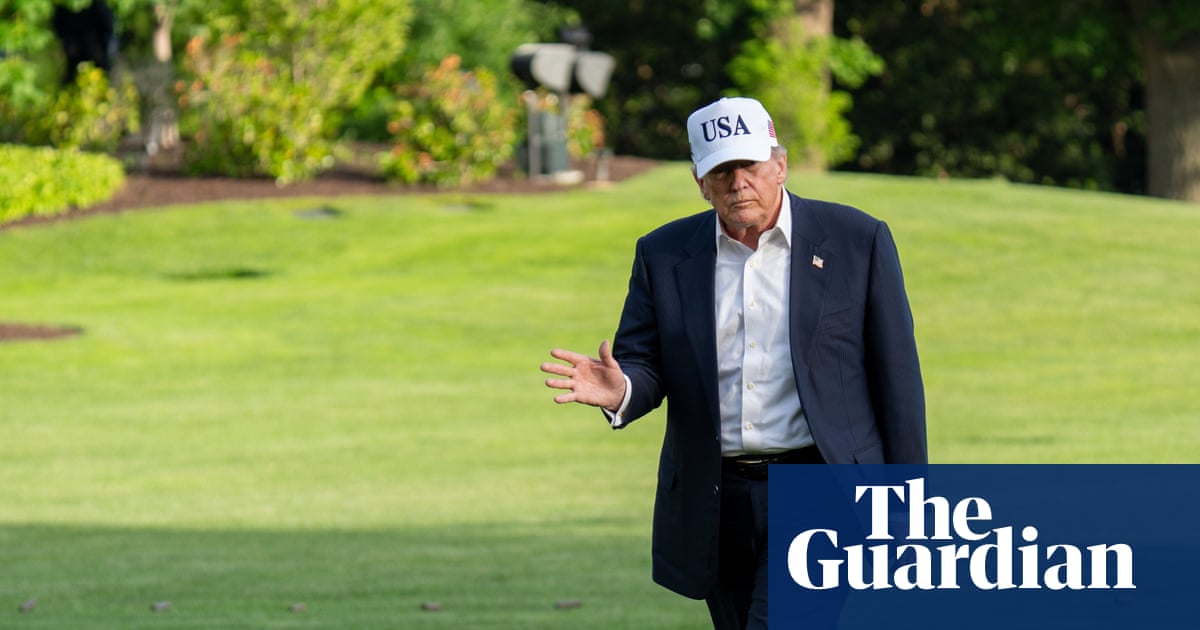
Trump’s China summit produced few concrete outcomes, with the president claiming “fantastic trade deals” but offering no details and delivering no breakthrough on Iran, Taiwan, or the U.S.-China AI arms race. The article frames the trip as heavy on pageantry and light on substance, while noting Trump’s domestic focus on a proposed $400m White House ballroom. Market impact is likely limited, though the lack of progress keeps geopolitical and trade risks unresolved.
The market takeaway is not the optics, it’s the sequencing: a high-visibility summit with little substance usually compresses near-term headline risk but does not remove policy uncertainty. For Apple and Tesla, that matters less through direct tariff changes today and more through China demand elasticity, supplier leverage, and the risk that Washington interprets the meeting as permission to stay ambiguous on tech controls while Beijing keeps its own retaliatory options in reserve. In other words, the event is mildly de-risking for the next few sessions, but not enough to justify a durable multiple expansion.
The more important second-order effect is that the absence of concrete trade relief keeps the overhang on the China-exposed mega-cap tech complex intact while reducing the odds of a near-term, broad market rally led by hardware names. Aaple’s install base and supply chain are still vulnerable to any future enforcement tweaks, licensing delays, or informal pressure on distributors; Tesla faces the dual risk of softer China consumer sentiment and intensified local EV competition if diplomacy stalls. The AI rhetoric is also mostly noise unless it translates into export-rule clarity, and no such signal emerged here.
Contrarian view: the consensus may be overestimating how negative “no deal” is for these names in the immediate term. A vague détente can actually be better for large-cap consumer tech than a grand bargain, because it preserves status quo pricing and avoids forcing China to respond defensively. The real trade is not on the summit itself, but on whether this creates a lull that allows investors to fade implied-volatility in AAPL/TSLA into the next policy catalyst over the next 4-8 weeks.
AI-powered research, real-time alerts, and portfolio analytics for institutional investors.
Request DemoOverall Sentiment
mildly negative
Sentiment Score
-0.15
Ticker Sentiment
