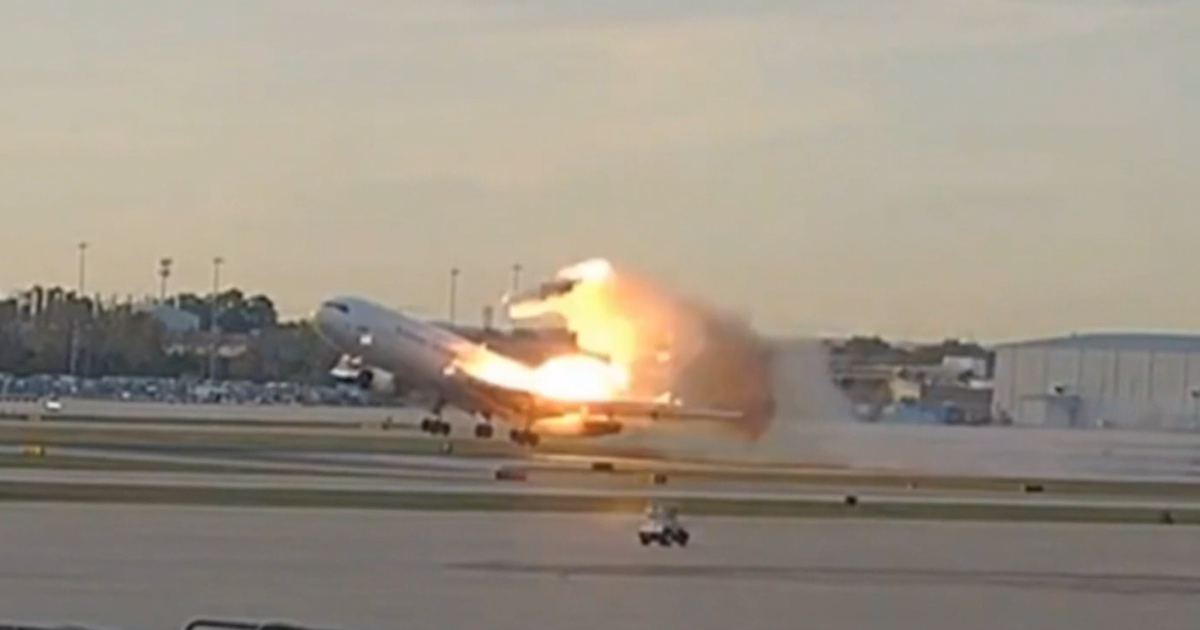
A UPS MD-11 cargo jet crashed on Nov. 4, 2025 during takeoff in Louisville, killing 15 people and injuring nearly two dozen others after its left engine separated in a fireball. The NTSB said metal fatigue caused failure of a component attaching the engine to the wing, and disclosed UPS did not act on a 2011 Boeing structural warning; the FAA has grounded MD-11s and UPS has retired the fleet. The findings heighten legal, regulatory, and operational risk for UPS and draw scrutiny to FedEx, which is returning MD-11s to service after repairs.
This is no longer an isolated accident narrative; it is a fleet-governance event that raises the probability of a broader liability and inspection cycle across older widebody freighters. The key second-order effect is not just grounding risk for one model, but a sharp increase in maintenance scrutiny, reserve build, and operational disruption costs for any carrier running aging cargo aircraft with similar structural load profiles. That disproportionately hurts operators with concentrated hub-and-spoke networks, because even a small percentage of aircraft removed from service can cascade into charter expense, service degradation, and lower asset utilization.
UPS is the clear loser: the market should think in terms of months, not days, because litigation, insurance, and maintenance implications will outlast the headline. The bigger risk is not the crash itself but the discovery process around what management knew, when it knew it, and whether older safety notices were effectively acted upon. That creates a path to multiple compression if investors start pricing a governance discount on top of the direct earnings hit from capacity replacement and insurance retentions.
BA is less exposed financially but carries reputational overhang if the investigation keeps tying the event to legacy design/structural issues. The more interesting relative value is FDX: if it can keep MD-11s flying after modifications while UPS retires them, it may temporarily gain incremental freight capacity and pricing power, but that advantage only lasts if regulators do not broaden the review. The contrarian point is that the immediate market reaction may overstate permanent capacity loss; if replacements are sourced quickly, the real economic damage shifts from revenue loss to cost inflation and legal reserves, which is slower but stickier.
AI-powered research, real-time alerts, and portfolio analytics for institutional investors.
Request DemoOverall Sentiment
extremely negative
Sentiment Score
-0.86
Ticker Sentiment
