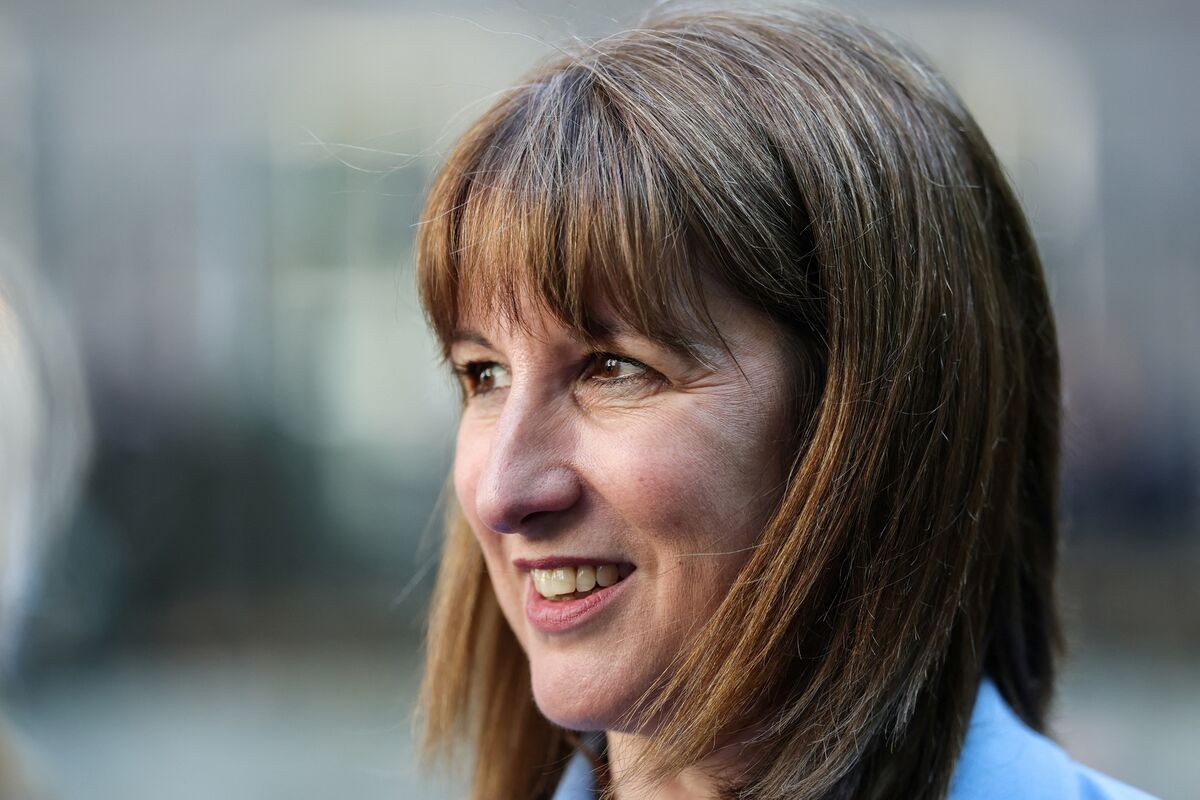
Rachel Reeves, the UK's Shadow Chancellor of the Exchequer, faces increasing pressure as political figures like Nigel Farage and Angela Rayner publicly criticize her economic policies and propose alternative strategies. Reeves is constrained by Treasury analysis, preventing her from implementing radical proposals such as diverting net zero funds or enacting extensive wealth taxes, due to concerns about feasibility and potential capital flight.
The UK's Shadow Chancellor, Rachel Reeves, is operating within a constrained fiscal policy environment, influenced by the pragmatic assessments of Treasury officials. This is evident as she navigates public proposals from political figures like Nigel Farage, who suggests diverting £45 billion from the net zero budget—a sum Treasury analysis reportedly indicates is unachievable—and Angela Rayner, whose proposed wealth taxes face concerns over potential capital flight from London. Reeves' adherence to the "language of priorities" suggests a more measured approach compared to these uncosted or high-risk alternatives. The situation underscores the significant influence of official economic scoring on policy formulation, potentially tempering more radical fiscal shifts and contributing to a cautious outlook on the feasibility of expansive spending or taxation changes, reflecting a mildly negative sentiment surrounding the pressures and limitations on future economic direction.
AI-powered research, real-time alerts, and portfolio analytics for institutional investors.
Request DemoOverall Sentiment
mildly negative
Sentiment Score
-0.20
