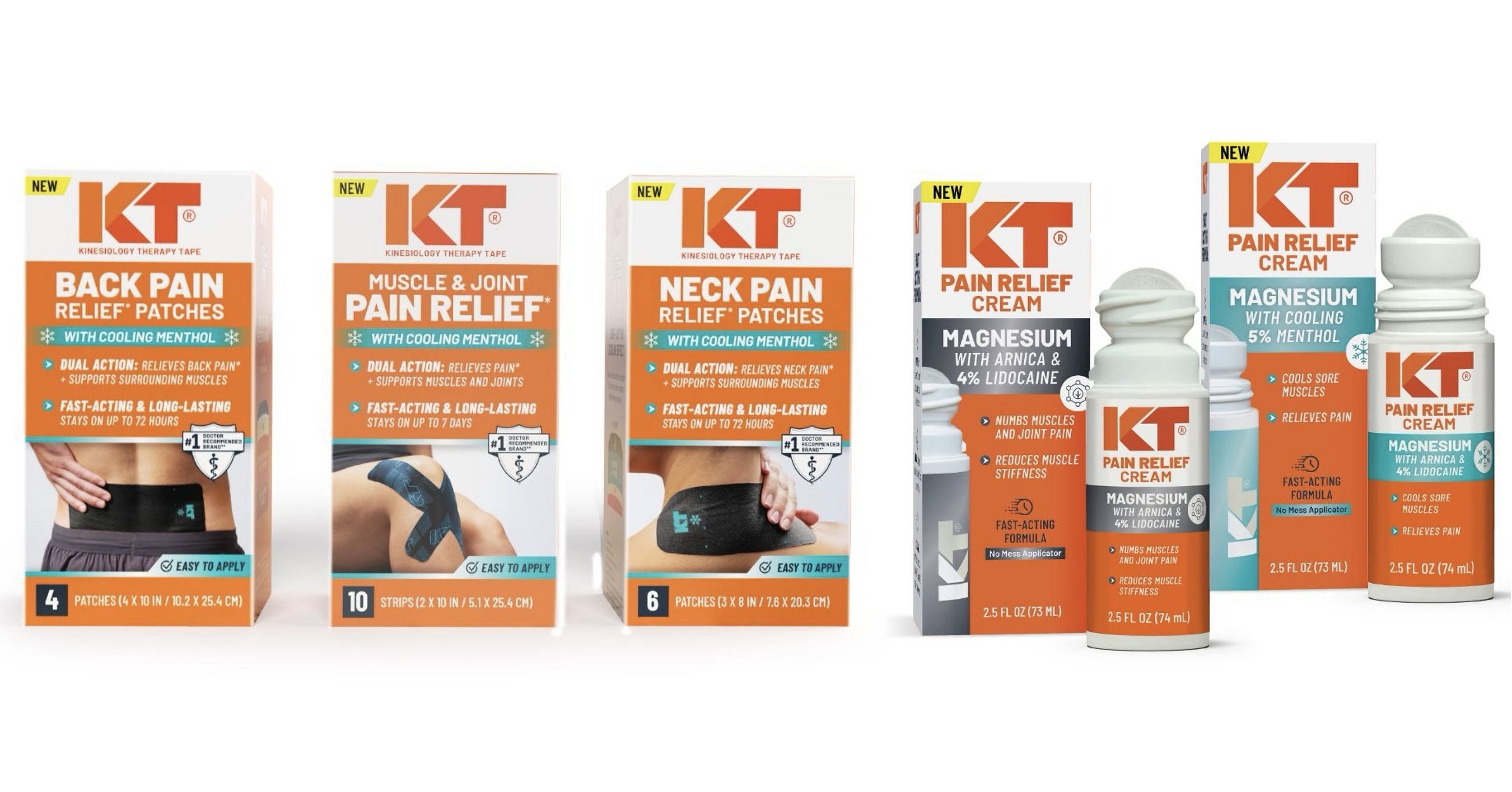
KT launched KT Pain Relief, expanding beyond kinesiology tape into pain-relief patches and topical products sold at retailers nationwide and on Amazon. The lead product line includes Pain Relief Patches (SRP $14.99 each) with menthol cooling and up to 72 hours of wear (up to ~9x longer than many traditional patches), plus lidocaine and menthol roll-ons and pain relief creams (SRP $15.99). The move broadens access to KT’s movement-focused pain relief technology for everyday consumers new to the category.
This is more a channel-and-assortment story than a true earnings event. The immediate beneficiary is AMZN only at the margin: health/consumables SKUs with clear use cases tend to convert better in search and can lift basket frequency, but the dollar contribution is too small to matter unless the brand gains repeat velocity. The bigger implication is that KT is trying to move from an athletic-accessory niche into the broader OTC pain aisle, which creates a higher-value shelf claim but also forces it to spend more on digital marketing and retail slotting to stay visible.
Competitive pressure is likely to show up first in search ranking and promo intensity rather than in industry-wide share. KENV and HLN are the cleaner public comps for topical pain/OTC pain, but the second-order risk is to smaller patch and gel brands that rely on form factor differentiation; a patch-plus-analgesic hybrid can commoditize the category and accelerate private-label imitation once consumers learn the format. If the line works, the winner is the retailer, not the manufacturer, because a broader pain platform increases category breadth without guaranteeing strong pricing power.
The catalyst path is short and data-dependent: 30-90 days for Amazon reviews, keyword rank, and any scan-data confirmation; 6-18 months for whether this becomes a real platform extension versus a one-off SKU bundle. The thesis breaks if sell-through is weak, repeat purchase is poor, or the product needs heavy discounting to stay in the cart. The contrarian view is that the market may overestimate the launch because consumer health extensions often look strategically smart but add little to valuation absent durable velocity and margin contribution.
AI-powered research, real-time alerts, and portfolio analytics for institutional investors.
Request DemoOverall Sentiment
mildly positive
Sentiment Score
0.25
Ticker Sentiment
