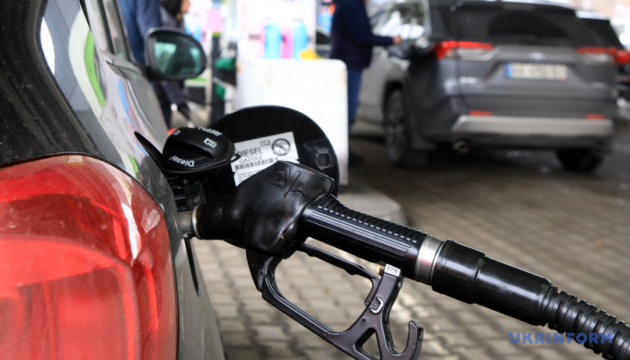
Gasoline shortages have emerged in Ryazan after the Rosneft-owned refinery reportedly suspended operations from May 15 through at least the end of June following drone damage. Local reports say 95-octane fuel is scarce at some stations and 92-octane fuel is also unavailable at many outlets. The disruption hits one of Russia's largest refining assets and a facility involved in supplying fuel to Russian troops.
This is a localized physical-disruption story with national pricing implications. A single refinery outage does not move global crude much, but it can tighten regional product balances fast because gasoline is far less fungible than crude and inland logistics are slow to re-route. The first-order read is obvious: nearby consumers face scarcity, but the second-order effect is that independent distributors and smaller stations lose inventory discipline first, forcing panic restocking and widening retail spreads before any wholesale price repricing shows up.
The more important market signal is that transport fuel supply to the military and to civilian freight is now exposed to a repair timeline measured in weeks to months, not days. If the outage persists into peak summer driving and harvest/logistics season, the pressure migrates from station-level shortages into diesel and jet fuel availability, which is more inflationary than a headline gasoline problem. That creates a feedback loop: higher delivered fuel costs for trucking raise food and consumer goods inflation, which can tighten local credit conditions and intensify state intervention.
For investors, the tradeable angle is not “oil up,” but dispersion across refined-product beneficiaries versus refiners with concentrated Eastern Europe exposure. The key risk is that authorities can blunt the shortage with strategic stock releases, forced product flows from other regions, or price controls, which would delay — not eliminate — the margin squeeze. The contrarian view is that the market may be underpricing the repair-time uncertainty; if critical refining units were hit, restart risk often extends well beyond the public timetable, especially when spare parts, labor, and power integration are constrained.
The cleanest asymmetric setup is to own names that benefit from tighter product spreads while avoiding direct Russia-linked operational risk. Longer-dated options are preferable to outright equity longs because the catalyst window is uncertain: localized shortages can persist for days, but supply-chain rerouting and restart delays can stretch for 1-3 months. Any escalation to additional refining or pipeline infrastructure would shift this from a regional nuisance into a broader distillates stress event.
AI-powered research, real-time alerts, and portfolio analytics for institutional investors.
Request DemoOverall Sentiment
strongly negative
Sentiment Score
-0.55
