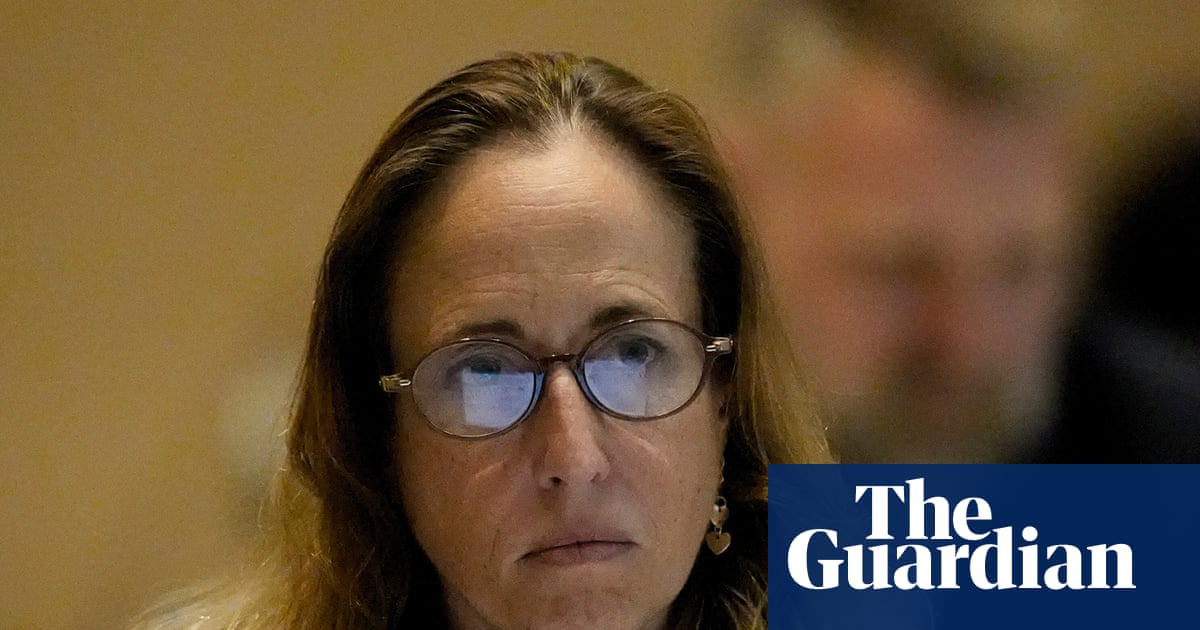
The FDA is undergoing a broad leadership shake-up, with acting drug chief Tracy Beth Høeg, acting vaccines chief Katherine Szarama, and chief of staff Jim Traficant all leaving, while the agency has no permanent commissioner or deputy commissioner. Kyle Diamantas will temporarily serve as acting commissioner, and Michael Davis and Karim Mikhail are stepping in to lead the drug and biologics centers. The turnover signals a possible shift in FDA direction amid ongoing controversy over vaccines, rare disease drugs, layoffs, and low morale.
This is less a headline about personalities than a signal that the FDA is entering a high-variance policy regime. In the near term, that usually means slower decision-making, more internal caution, and a wider gap between scientific staff and political leadership — a setup that tends to delay approvals, inspections, label changes, and advisory committee scheduling. The first-order market read is negative for small/mid-cap biotech, but the second-order effect is that companies with already-filed, near-term catalysts and clean datasets become relatively more valuable because process risk, not clinical risk, becomes the binding constraint.
The bigger winner is not any single pharma name but firms with diversified regulatory exposure and mature commercial portfolios. If agency churn persists for 1-2 quarters, the market will start discounting the probability of slower launches and longer review times, which hits pre-revenue biotech multiples hardest and can compress M&A timing for the entire sector. On the other side, established large-cap pharma can actually gain negotiating leverage if competitors face approval slippage or manufacturing/label uncertainty.
The contrarian angle is that this may be oversold for the broad healthcare tape if investors assume chaos automatically equals paralysis. FDA turnover can also produce a fast reversal in policy priorities, which can re-open paths for previously stalled programs and increase headline-driven volatility rather than just lower approvals. The key catalyst to watch is whether acting leadership is replaced quickly with a credible permanent team; if not, the market will increasingly price a multi-month bottleneck rather than a one-off shake-up.
AI-powered research, real-time alerts, and portfolio analytics for institutional investors.
Request DemoOverall Sentiment
moderately negative
Sentiment Score
-0.35
Ticker Sentiment
