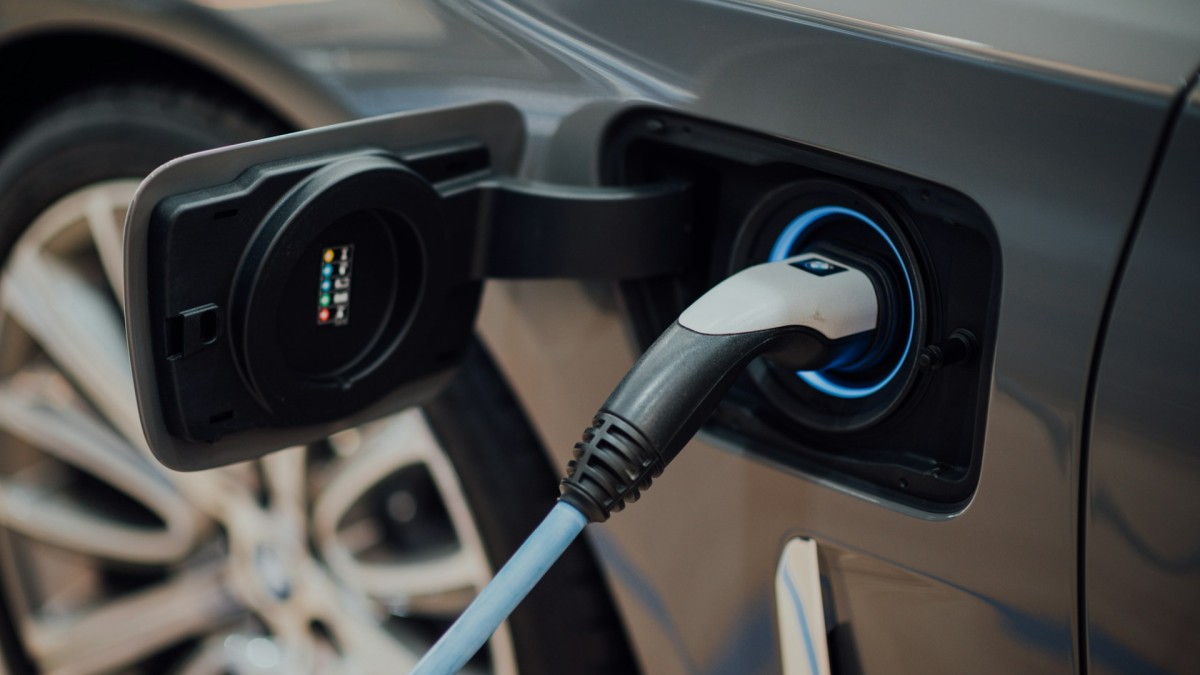
Global EV sales are projected to reach 23 million in 2026, accounting for nearly 30% of all cars sold worldwide, as higher fuel prices accelerate the shift to electric vehicles and hybrids. Despite a 8% decline in global EV sales in Q1 2026 due to policy changes in China and the U.S., Europe rose nearly 30%, Asia Pacific ex-China surged 80%, and Latin America jumped 75% year over year. The IEA said EV demand remains supported by falling battery prices and potential policy responses to the energy crisis.
The important read-through is not simply that EV demand is recovering, but that higher fuel costs are changing the purchase decision equation faster than subsidy policy can slow it down. That favors the lowest total-cost-of-ownership OEMs and battery suppliers with scale economics, while legacy automakers with slower EV mix conversion will see pricing pressure intensify as consumers become more utility-sensitive. The second-order effect is on the charging and grid ecosystem: stronger EV adoption raises near-term demand for power equipment, transformers, and public charging, even before vehicle margins improve.
A key market implication is that the current cycle is less about “green preference” and more about affordability under energy stress, which makes the demand impulse more durable if gasoline stays elevated for several quarters. That is bullish for firms with exposure to battery packs, LFP chemistry, and low-cost EV platforms, but it also increases the risk of a later air-pocket if fuel prices normalize quickly or if incentive withdrawal in the U.S. and Europe tightens affordability again. The biggest loser may be ICE-reliant OEMs whose mix shift is behind peers: they face both stranded capex and margin dilution from discounting to defend share.
The contrarian view is that the near-term EV growth headline may be overstating the earnings impact for listed automakers because unit growth can coexist with weaker pricing and higher incentives. In other words, volume is accelerating, but profitability may lag if inventory builds or if buyers trade down to cheaper models. For the supply chain, however, the demand signal is cleaner: battery materials and charging infrastructure should benefit first, with lead times measured in months rather than years.
The cleanest setup is to own the enablers rather than the OEMs until pricing power proves durable. If fuel prices remain elevated into the next 2-3 quarters, the winners should compound through mix and utilization before the market fully reprices estimates.
AI-powered research, real-time alerts, and portfolio analytics for institutional investors.
Request DemoOverall Sentiment
moderately positive
Sentiment Score
0.45
