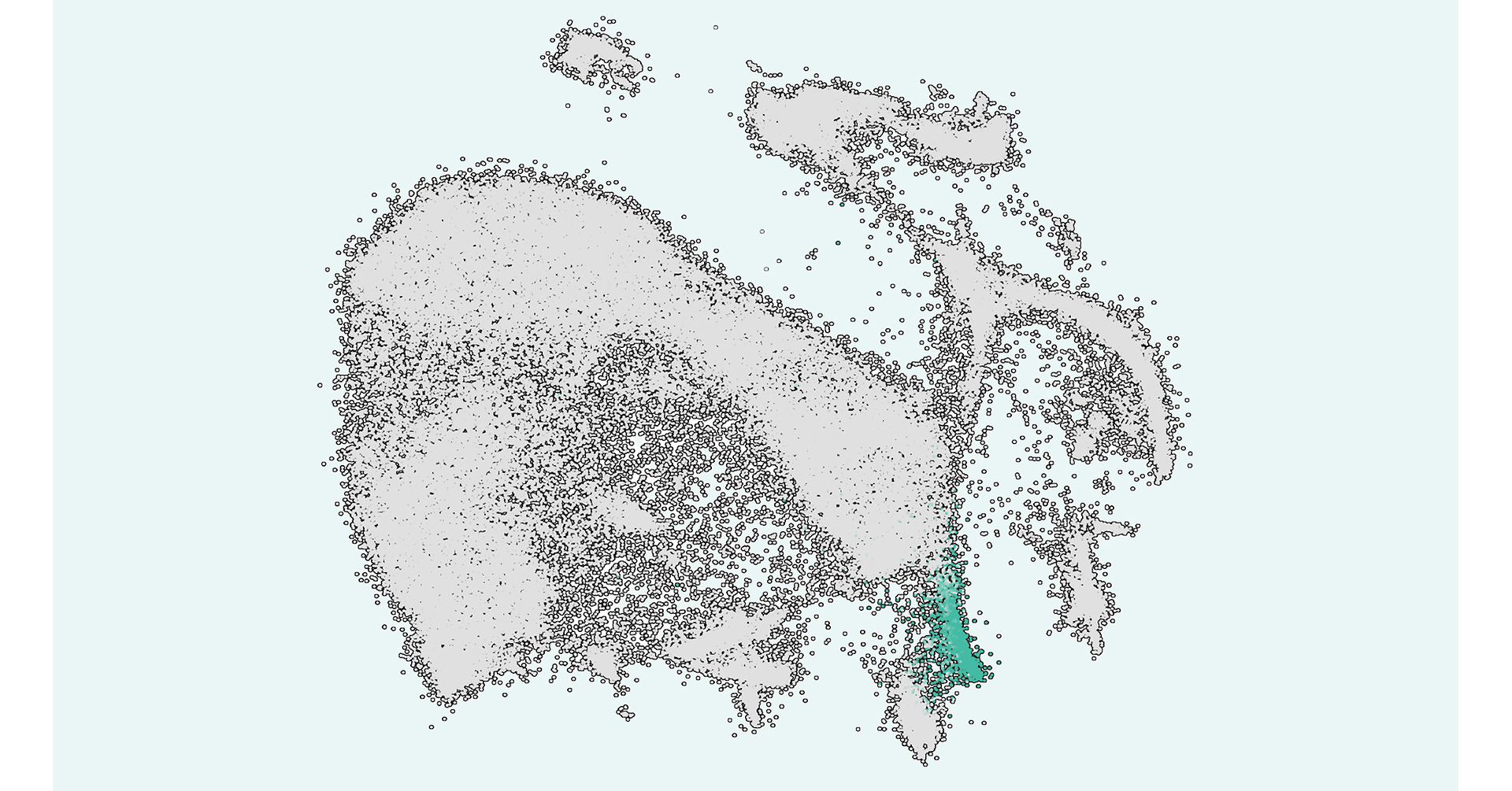
Cold Spring Harbor Laboratory researchers report an ImmunoAI study showing T-cell negative selection can work via “generalization” from machine-learning principles: 90% of self-reactive T cells are deleted in the thymus even though each T cell tests only ~10% of body self-peptides. The team also says its AI model reproduces key features of autoimmune polyendocrine syndrome type 1, suggesting a new computational lens for autoimmunity. Overall, this is a promising biotech/AI research advance with limited immediate market-moving implications.
This is a validation event for the AI-in-biology narrative, not a revenue event. The nearest public-market beneficiaries are the picks-and-shovels layer in life sciences AI and data infrastructure — names that monetize model development, multi-omic data, and translational workflow efficiency — but the commercial bridge from an academic immunology model to spend is likely 12-36 months, not weeks. In the near term, any move should be read as sentiment beta for XBI/IBB rather than a durable rerating of specific therapeutics.
The second-order winner is probably sequencing/data quality vendors and software platforms, because the thesis depends on richer training sets and better phenotype labels more than on another wet-lab assay. That makes the setup more favorable for platform names with recurring data pipelines than for single-target autoimmune biotech, where clinical heterogeneity can swamp elegant models. The loser, if any, is the most expensive AI-drug-discovery basket: these papers often inflate TAM narratives while leaving validation risk entirely in future cohorts.
Contrarian view: the market may overread a retrospective model that reproduces a rare syndrome and underweight how often immunology models fail outside curated datasets. The real falsifier is prospective performance in diverse human cohorts or a licensing/partnership announcement; absent that, this should fade back into a research headline within days. If the thesis is right, the structural payoff shows up in better autoimmune target selection and fewer failed programs over 6-18 months, not immediate earnings.
AI-powered research, real-time alerts, and portfolio analytics for institutional investors.
Overall Sentiment
mildly positive
Sentiment Score
0.25
Ticker Sentiment
