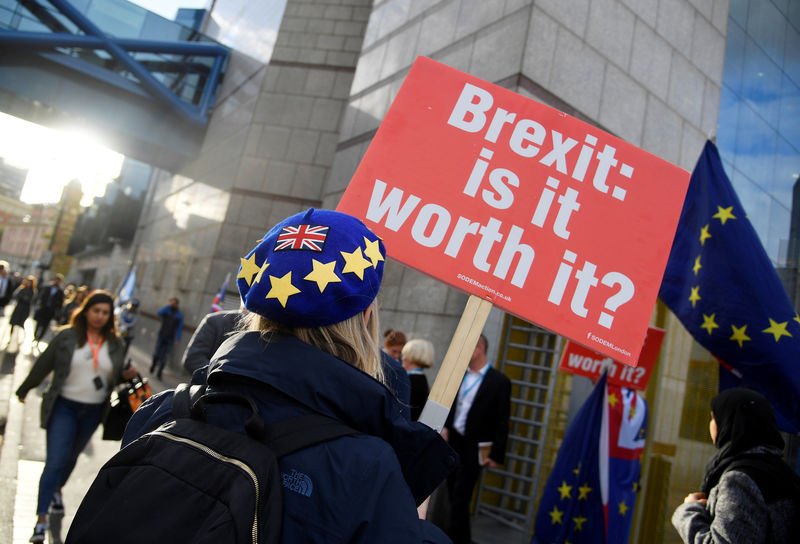
Deutsche Bank estimates Brexit has left the UK economy about 4% smaller than it otherwise would have been, cut employment by roughly 2% or 685,000 jobs, and lifted consumer prices by about 0.7%. The report also says business investment and goods exports to the EU have underperformed, though some benefits include greater regulatory flexibility and stronger services exports. It argues targeted improvements to the UK-EU Trade and Cooperation Agreement could lift UK GDP by 0.4% to 0.8%.
The macro read-through is less about a one-day headline and more about a decade-long drag that has quietly re-priced UK risk assets. The market implication is that the UK is now living with structurally lower trend growth, which should keep terminal-rate expectations, wage pressure, and medium-term equity premium assumptions a bit more subdued than peers. That is mildly supportive for duration-sensitive UK defensives, but a persistent headwind for domestically levered cyclicals, small caps, and banks that rely on loan growth rather than fee income.
The second-order winner is the services complex with overseas pricing power. If goods trade friction remains sticky while services remain comparatively unconstrained, capital should keep rotating toward firms earning in dollars and euros but reporting in sterling, especially those with low physical supply-chain intensity. Conversely, exporters with EU revenue exposure and thin margins face a slow-burn profit squeeze: higher compliance costs, more working capital, and less flexibility to arbitrage inventory across channels. That tends to show up with a lag, so the pain is not a shock event but a multi-quarter erosion in operating leverage.
The contrarian point is that the market may already be discounting too much bad news for the UK. A 4% GDP haircut does not mechanically translate into 4% lower equity returns if the policy mix keeps favoring regulatory flexibility, capital-light services, and shareholder distributions over reinvestment. The bigger upside surprise would be a narrow technical reset of the UK-EU trade framework that reduces frictions without reopening the sovereignty question; that could improve margins and capex confidence faster than headline politics would suggest. In that setup, the asymmetry is better for selective longs than for broad macro bearishness.
AI-powered research, real-time alerts, and portfolio analytics for institutional investors.
Request DemoOverall Sentiment
mildly negative
Sentiment Score
-0.20
Ticker Sentiment
