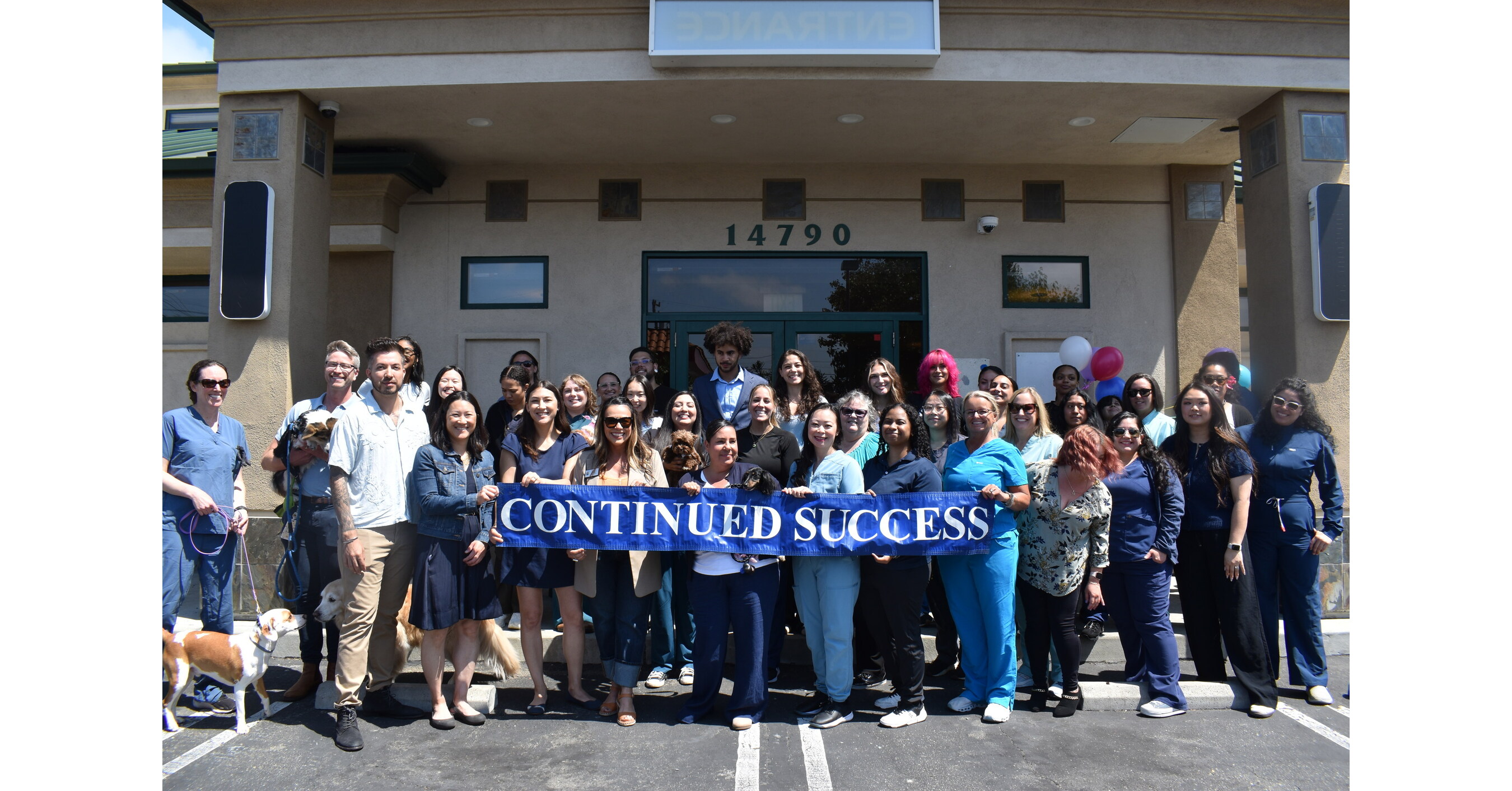
Washington Avenue Veterinary Emergency & Specialty Hospital (WAVES) officially opened in San Leandro, taking over the former Bay Area Veterinary Specialists (BAVS) site after BAVS unexpectedly closed in March 2026. The hospital will provide specialty care (Mon–Thu 8:00 AM–6:00 PM) plus 24/7 emergency services, with services including emergency, internal medicine, surgery, and oncology. The new veterinarian-led ownership team also partnered with Curo Pet Care for operational support.
This is a local capacity-restoration story, not a new demand story. The economic effect is mostly a re-routing of emergency and specialty cases back into one facility, which tends to be margin-accretive for the operator but too small to matter for public equities unless it signals a broader re-acceleration in vet utilization. The more interesting second-order effect is catch-up volume: once specialty access is restored, deferred oncology, surgery, and imaging cases often show up over the next 1-2 quarters, which can temporarily lift diagnostics and procedure throughput before normalizing.
For public proxies, the cleanest beneficiaries are diagnostics and consumables names rather than consumer pet spend. IDXX is the best read-through because specialty hospitals generate high-margin test volume and repeat monitoring; if regional ER capacity had been constrained, reopening should improve test cadence and reference-lab throughput. TRUP is more ambiguous: better access increases claim incidence in the near term, but earlier treatment can reduce severity and unit cost over 6-18 months, so the signal is timing-dependent rather than directionally obvious.
The contrarian view is that this should not be over-interpreted as incremental industry growth. Most of the value creation is private and localized, and the reopening mainly recaptures lost share from nearby hospitals and referral leakage rather than expanding the addressable market. The thesis would be falsified if regional vet spending softens, if deferred cases do not materialize within one quarter, or if the new facility has staffing/capacity constraints that prevent the expected volume rebound.
AI-powered research, real-time alerts, and portfolio analytics for institutional investors.
Request DemoOverall Sentiment
neutral
Sentiment Score
0.10
