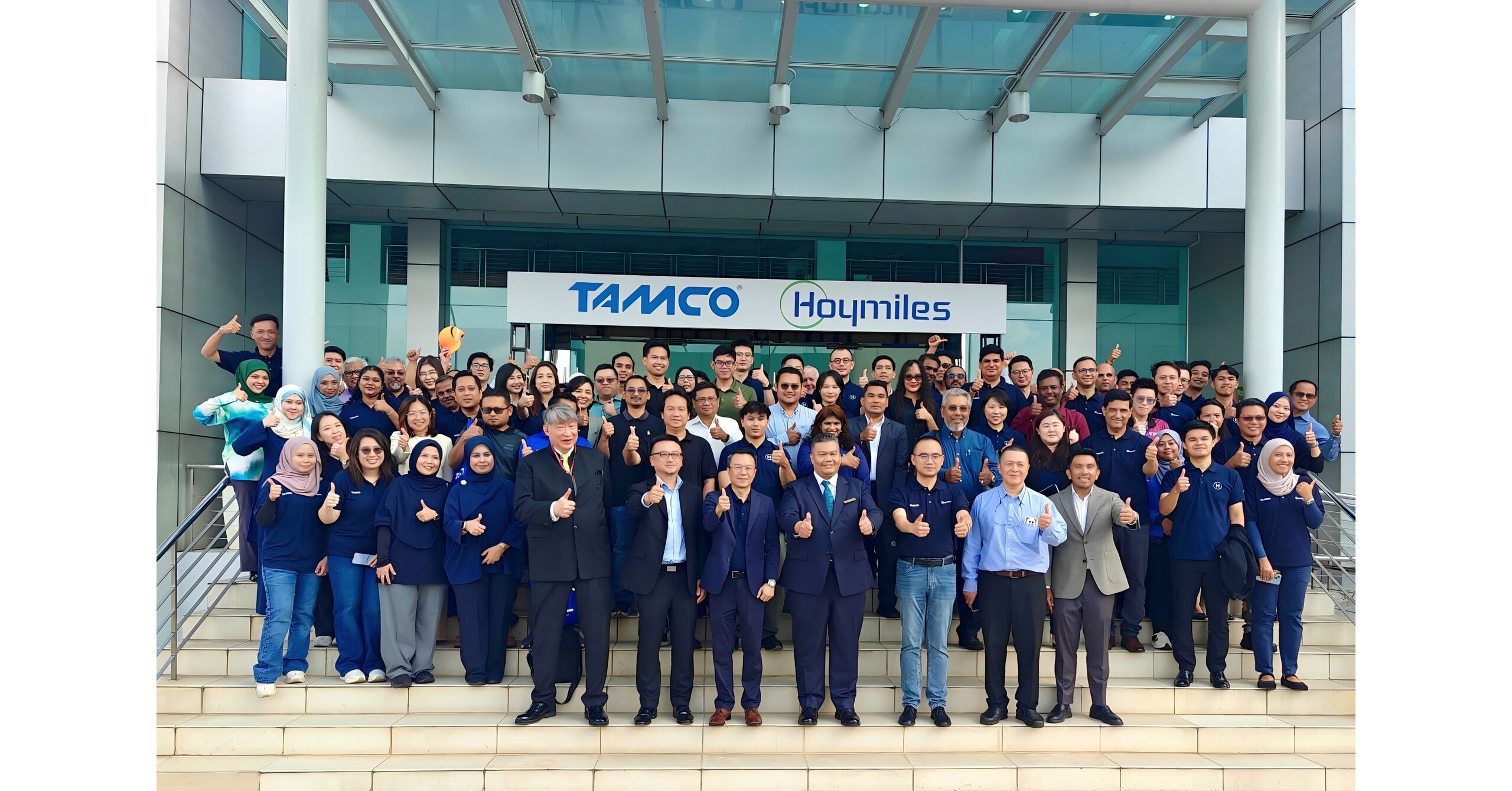
Hoymiles announced a Malaysia strategic partnership with TAMCO to locally assemble its liquid-cooled 5MWh and 6MWh AI-empowered BESS at TAMCO’s BR2 facility in Shah Alam, with system integration, testing, commissioning, servicing and long-term maintenance included. The initiative leverages TAMCO’s 60 years of local industrial expertise to expand Hoymiles’ utility-scale energy storage delivery across Malaysia and support the clean energy transition. While no financial terms were disclosed, the deal strengthens local deployment capacity for solar-plus-storage projects in a fast-growing renewables market.
This reads more like market-access optionality than a revenue event. In Southeast Asian utility storage, the moat is increasingly local assembly, commissioning, and after-sales service; that shifts wallet share toward the company that can actually execute bids, not just ship hardware. The near-term winner is likely the local partner with service annuity and procurement credibility, while pure hardware competitors without in-country footprint risk being price-takers or excluded from tender shortlists.
Second-order, the partnership can improve bid-win probability but may pressure gross margin at first if localization adds fixed costs and working-capital intensity. The strategic payoff is longer-dated: once a local service stack is embedded, switching costs rise and follow-on project economics improve via spares, software, and maintenance. That matters more for utility-scale storage than for residential solar, so listed names tied to project finance and deployment execution should be watched more than module/inverter brands.
The key contrarian point is that this is still a press-release until there are awarded MW, disclosed ASPs, and signed O&M backlog. If Malaysia’s procurement cycle slips, or if import economics remain favorable enough that buyers can source cheaper standalone systems, the localization premium can evaporate quickly. Falsifier: no material contract wins or backlog conversion over the next 1-2 quarters, or margin commentary showing localization is dilutive rather than accretive.
AI-powered research, real-time alerts, and portfolio analytics for institutional investors.
Overall Sentiment
mildly positive
Sentiment Score
0.15
Ticker Sentiment
